
Shaheen presses Rubio for tougher Russia sanctions amid Ukraine war debate
Pressure on the Trump administration’s Russia policy intensifies as congressional criticism grows over the pace and direction of efforts to end the war in Ukraine. Senator Jeanne Shaheen says the administration is easing pressure on Moscow instead of using sanctions and bipartisan backing in Congress to push President Vladimir Putin toward negotiations.
Highlights
- Senator Shaheen criticized Secretary Rubio for the administration’s sanctions relief on Russia, claiming it enables Moscow to earn billions from oil sales during the Ukraine war.
- Shaheen argued that failed negotiations are due to Russia's stalling tactics and urged increasing sanctions to enhance U.S. leverage against the Kremlin.
- Broad Senate bipartisan support exists for new Russia sanctions, with the Graham-Blumenthal bill positioned to pressure Moscow toward genuine negotiations.
Senate hearing sharpens focus on sanctions policy
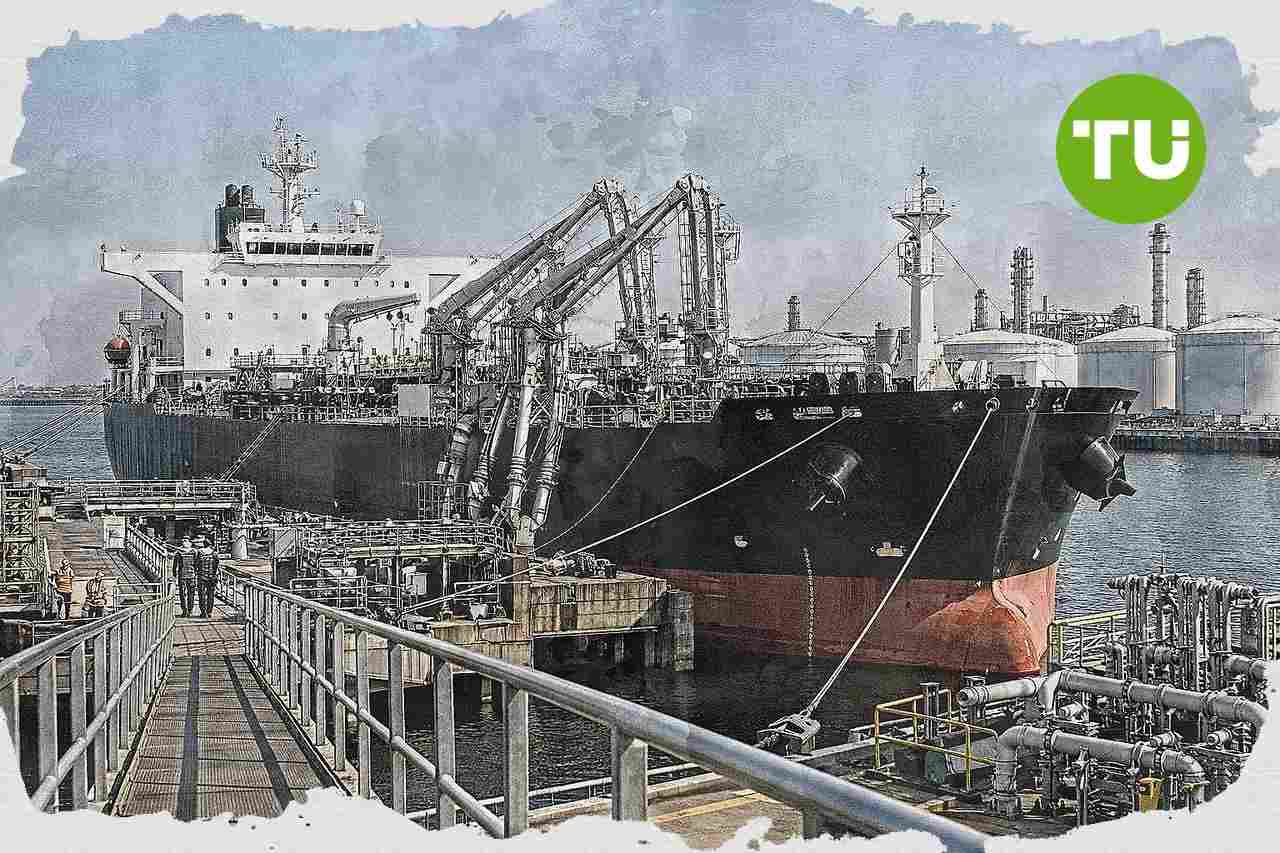
As reported by Senate Foreign Relations Committee, Shaheen used a Senate Appropriations Subcommittee on State, Foreign Operations and Related Programs hearing to challenge Secretary Rubio over what she calls the administration’s failure to pressure Putin and bring Russia to the negotiating table.During her questioning, the New Hampshire Democrat criticizes the president’s decision to provide Russia sanctions relief that she says allows Moscow to sell oil and earn large profits during the Iran war. She argues that negotiations have failed because Russia, not Ukraine, has strung the administration along in its effort to secure a peace deal.
Shaheen says now is the time to increase pressure on Russia, adding that Moscow is benefiting from the lifting of sanctions on its oil. She contends that allowing Russia to keep earning billions of dollars a month weakens U.S. leverage at a moment when the Kremlin should be facing greater economic pressure.
Congress signals bipartisan support for tougher measures
Shaheen also highlights what she describes as strong bipartisan support in the Senate for additional sanctions on the Kremlin, more support for Ukraine and a clearer message that time is not on Putin’s side. She points specifically to the Graham-Blumenthal sanctions bill as a vehicle that could force Russia to come to the table.Her remarks frame the issue as both a foreign policy and credibility test for the administration, arguing that a just and lasting peace in Ukraine will not be achieved while Washington hesitates to intensify pressure on Moscow. Shaheen says bipartisan agreement already exists in the Senate for a tougher line, suggesting the next phase of debate will center on whether the administration aligns its policy with that congressional stance.
Our earlier coverage of the House Foreign Affairs Committee hearing on the State Department’s FY 2027 budget request outlined how Republicans framed the proposal around an America First foreign policy and highlighted tougher action on Iran. The discussion also emphasized intensified scrutiny of U.S. diplomatic priorities, including the administration’s approach to security threats and regional engagement.


Latest Iran war News






-
 Afghanistan
-
 Albania
-
 Algeria
-
 Angola
-
 Argentina
-
 Armenia
-
 Australia
-
 Austria
-
 Azerbaijan
-
 Bahamas
-
 Bahrain
-
 Bangladesh
-
 Belarus
-
 Belgium
-
 Bolivia
-
 Botswana
-
 Brazil
-
 Brunei
-
 Bulgaria
-
 Cambodia
-
 Cameroon
-
 Canada
-
 Chile
Chile
-
 China
China
-
 Colombia
-
 Congo
Congo
-
 Costa Rica
-
 Cote d'Ivoire
-
 Croatia
-
 Cuba
Cuba
-
 Cyprus
-
 Czechia
-
 DR Congo
-
 Denmark
-
 Dominican Republic
-
 Ecuador
-
 Egypt
Egypt
-
 El Salvador
-
 Estonia
-
 Eswatini
-
 Ethiopia
-
 Finland
-
 France
-
 Georgia
-
 Germany
-
 Ghana
Ghana
-
 Greece
-
 Haiti
Haiti
-
 Hong Kong
-
 Hungary
-
 India
India
-
 Indonesia
-
 Iran, Islamic republic
-
 Iraq
Iraq
-
 Ireland
-
 Israel
-
 Italy
Italy
-
 Jamaica
-
 Japan
Japan
-
 Jordan
-
 Kazakhstan
-
 Kenya
Kenya
-
 Korea
Korea
-
 Kuwait
-
 Kyrgyzstan
-
 Laos
Laos
-
 Latvia
-
 Lebanon
-
 Lesotho
-
 Libya
Libya
-
 Lithuania
-
 Luxembourg
-
 Madagascar
-
 Malaysia
-
 Malta
Malta
-
 Mauritius
-
 Mexico
-
 Moldova
-
 Mongolia
-
 Montenegro
-
 Morocco
-
 Mozambique
-
 Myanmar
-
 Namibia
-
 Nepal
Nepal
-
 Netherlands
-
 New Zealand
-
 Nigeria
-
 North Macedonia
-
 Norway
-
 Oman
Oman
-
 Pakistan
-
 Palestine
-
 Panama
-
 Papua New Guinea
-
 Paraguay
-
 Peru
Peru
-
 Philippines
-
 Poland
-
 Portugal
-
 Puerto Rico
-
 Qatar
Qatar
-
 Reunion
-
 Romania
-
 Rwanda
-
 Saudi Arabia
-
 Serbia
-
 Singapore
-
 Slovakia
-
 Slovenia
-
 Somalia
-
 South Africa
-
 Spain
Spain
-
 Sri Lanka
-
 Sweden
-
 Switzerland
-
 Syria
Syria
-
 Taiwan
-
 Tajikistan
-
 Tanzania
-
 Thailand
-
 Trinidad and Tobago
-
 Tunisia
-
 Turkey
-
 UAE
UAE
-
 Uganda
-
 Ukraine
-
 United Kingdom
-
United States
-
 Uruguay
-
 Uzbekistan
-
 Venezuela
-
 Vietnam
-
 Yemen
Yemen
-
 Zambia
-
 Zimbabwe
- Forex
- Crypto












