
Pound steadies as Middle East tensions cloud currency outlook
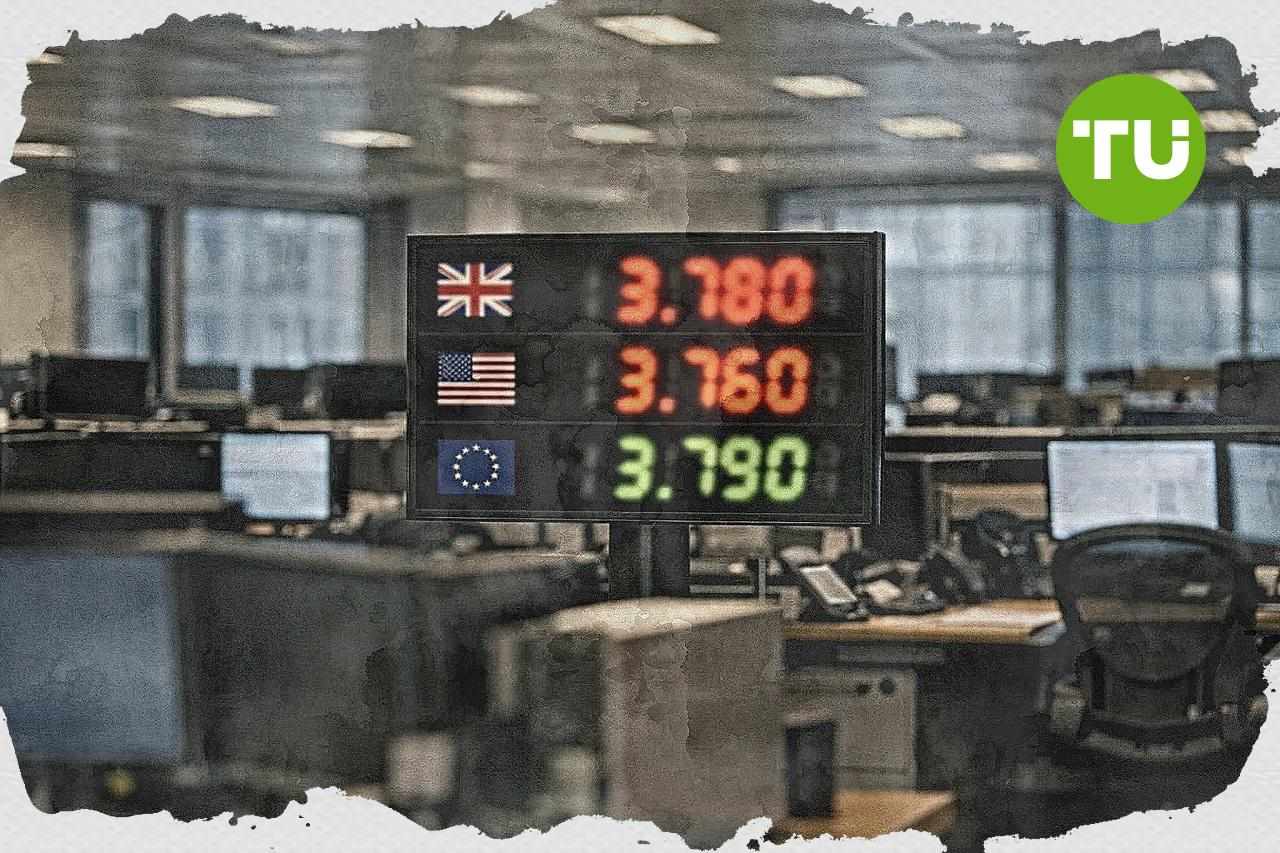
Sterling is holding near flat levels as investors weigh the fragile state of U.S.-Iran peace efforts and the broader impact on risk sentiment. The currency is also navigating domestic political uncertainty in Britain and changing expectations for Bank of England rate increases.
Highlights
- Sterling trades at $1.342, flat against both the dollar and euro, as U.S.-Iran peace talks and regional ceasefires keep markets cautious.
- Since February 27, the pound is down 0.5% against the dollar and up 1.5% versus the euro amid ongoing Middle East uncertainty.
- Money markets price in 47 basis points of Bank of England rate hikes in 2024, reflecting expectations for two increases by year-end.
Geopolitical tensions keep sterling range-bound
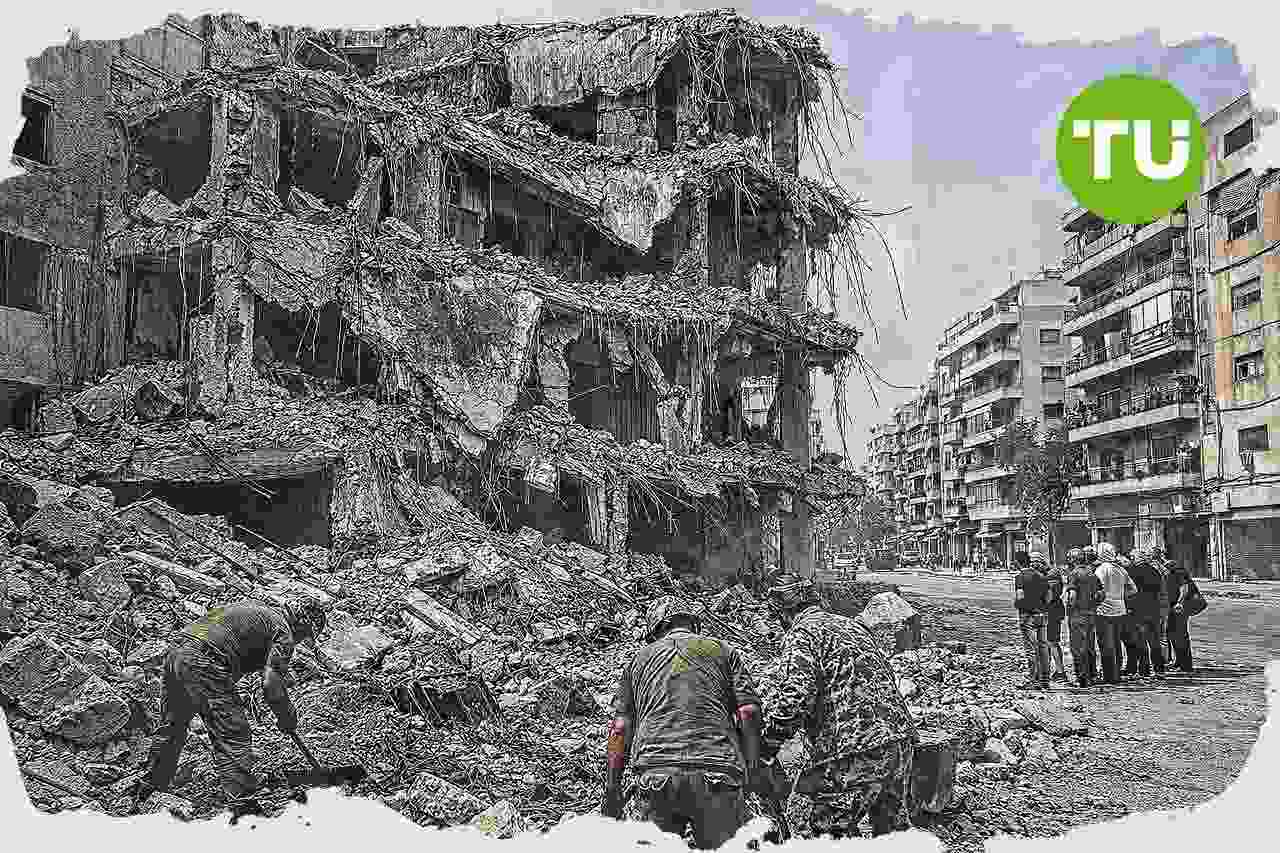
As reported by Reuters, the pound is little changed on Thursday as markets stay focused on the uncertain outcome of U.S.-Iran peace talks. Israel and Lebanon agree to implement a ceasefire to end hostilities, the Trump administration says, lifting hopes for a wider deal across the region.That follows earlier strikes by Iran on Kuwait's airport and U.S. military action near the Strait of Hormuz, highlighting how fragile the weeks-long U.S.-Iran ceasefire has become. Sterling trades at $1.342, while against the euro it is also flat at 86.48 pence, and oil prices are roughly unchanged.
Britain's currency has been pulled in opposing directions since the start of the Iran war. It is down about 0.5% against the dollar since February 27, but up roughly 1.5% versus the euro, with the U.S. dollar strengthening during periods of heightened uncertainty because of its safe-haven role.
Bank of England bets and UK politics shape outlook
Domestic factors are also contributing to swings in the pound, including political uncertainty around Prime Minister Sir Keir Starmer and shifting market views on Bank of England policy. Money markets on Thursday price in about 47 basis points of rate hikes this year, suggesting traders see two increases by the end of December as the most likely outcome.The UK economy has so far remained relatively resilient, expanding 0.6% in the first quarter. Economists, however, question the precision of the figures because of seasonal distortions and still expect growth to slow, while the euro zone economy grows just 0.1% in the same period.
Our earlier article on oil prices after the Israel–Lebanon ceasefire explained how the truce eased immediate geopolitical pressure and prompted a pullback in crude, even as the market stayed wary about risks around the Strait of Hormuz. We also noted that the outlook remained tied to fragile U.S.-Iran contacts and tight U.S. inventories, which limited how far prices could fall.












-
 Afghanistan
-
 Albania
-
 Algeria
-
 Angola
-
 Argentina
-
 Armenia
-
 Australia
-
 Austria
-
 Azerbaijan
-
 Bahamas
-
 Bahrain
-
 Bangladesh
-
 Belarus
-
 Belgium
-
 Bolivia
-
 Botswana
-
 Brazil
-
 Brunei
-
 Bulgaria
-
 Cambodia
-
 Cameroon
-
 Canada
-
 Chile
Chile
-
 China
China
-
 Colombia
-
 Congo
Congo
-
 Costa Rica
-
 Cote d'Ivoire
-
 Croatia
-
 Cuba
Cuba
-
 Cyprus
-
 Czechia
-
 DR Congo
-
 Denmark
-
 Dominican Republic
-
 Ecuador
-
 Egypt
Egypt
-
 El Salvador
-
 Estonia
-
 Eswatini
-
 Ethiopia
-
 Finland
-
 France
-
 Georgia
-
 Germany
-
 Ghana
Ghana
-
 Greece
-
 Haiti
Haiti
-
 Hong Kong
-
 Hungary
-
 India
India
-
 Indonesia
-
 Iran, Islamic republic
-
 Iraq
Iraq
-
 Ireland
-
 Israel
-
 Italy
Italy
-
 Jamaica
-
 Japan
Japan
-
 Jordan
-
 Kazakhstan
-
 Kenya
Kenya
-
 Korea
Korea
-
 Kuwait
-
 Kyrgyzstan
-
 Laos
Laos
-
 Latvia
-
 Lebanon
-
 Lesotho
-
 Libya
Libya
-
 Lithuania
-
 Luxembourg
-
 Madagascar
-
 Malaysia
-
 Malta
Malta
-
 Mauritius
-
 Mexico
-
 Moldova
-
 Mongolia
-
 Montenegro
-
 Morocco
-
 Mozambique
-
 Myanmar
-
 Namibia
-
 Nepal
Nepal
-
 Netherlands
-
 New Zealand
-
 Nigeria
-
 North Macedonia
-
 Norway
-
 Oman
Oman
-
 Pakistan
-
 Palestine
-
 Panama
-
 Papua New Guinea
-
 Paraguay
-
 Peru
Peru
-
 Philippines
-
 Poland
-
 Portugal
-
 Puerto Rico
-
 Qatar
Qatar
-
 Reunion
-
 Romania
-
 Rwanda
-
 Saudi Arabia
-
 Serbia
-
 Singapore
-
 Slovakia
-
 Slovenia
-
 Somalia
-
 South Africa
-
 Spain
Spain
-
 Sri Lanka
-
 Sweden
-
 Switzerland
-
 Syria
Syria
-
 Taiwan
-
 Tajikistan
-
 Tanzania
-
 Thailand
-
 Trinidad and Tobago
-
 Tunisia
-
 Turkey
-
 UAE
UAE
-
 Uganda
-
 Ukraine
-
 United Kingdom
-
United States
-
 Uruguay
-
 Uzbekistan
-
 Venezuela
-
 Vietnam
-
 Yemen
Yemen
-
 Zambia
-
 Zimbabwe
- Forex
- Crypto












