

Oil drops as Trump pauses planned Iran strikes
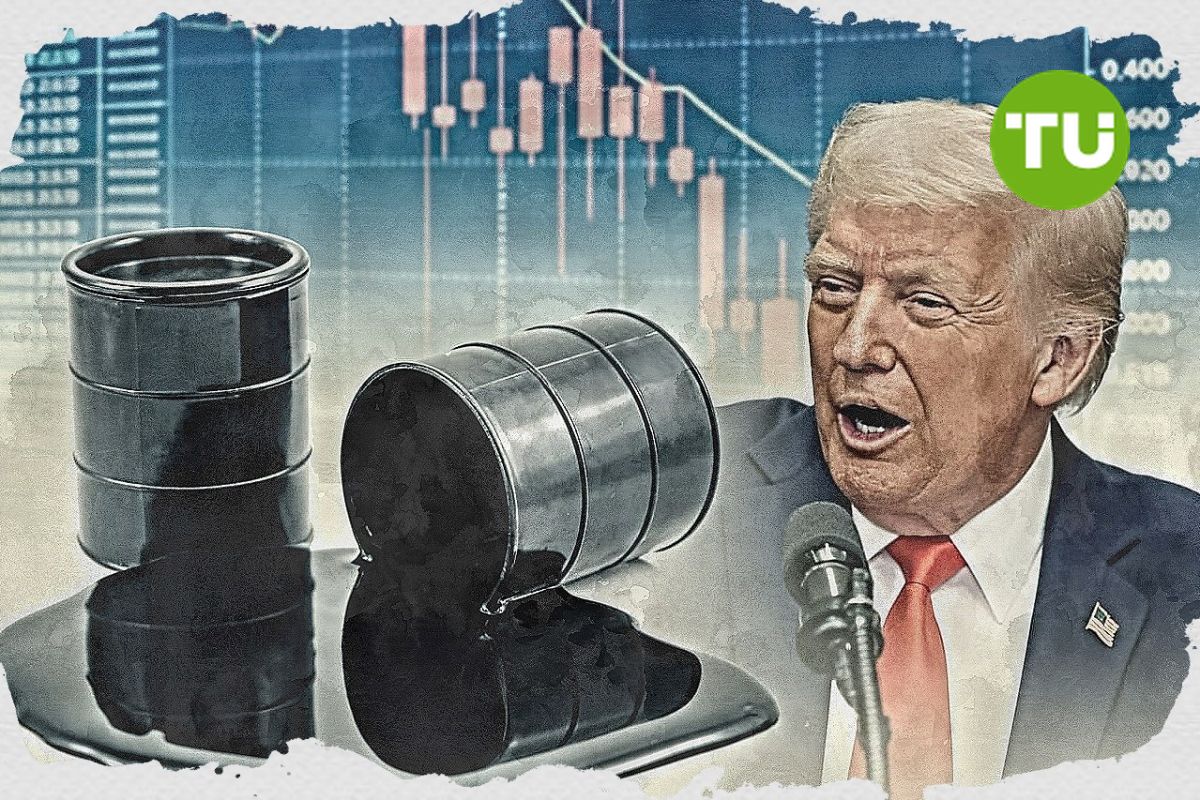
Oil prices extended their decline Friday after U.S. President Donald Trump called off planned strikes on Iran, easing fears that this week’s military exchanges could widen into a larger conflict. The pullback showed how quickly traders are removing part of the geopolitical risk premium, even as the Strait of Hormuz remains only partly accessible and the peace process is still uncertain.
Highlights
- Brent crude fell 2% to $88.6 a barrel after Trump called off planned Iran strikes.
- WTI declined 1.8% to $86.1 as traders reduced the immediate war-risk premium.
- Iran said Hormuz was closed, while the U.S. said commercial traffic continued.
Brent crude fell to $88.6 a barrel, while West Texas Intermediate crude dropped to $86.1 a barrel. The decline came after Trump said talks with Iran had advanced enough to delay further U.S. military action, Reuters reports. Broader hopes that an agreement could eventually restore regular shipping through the Strait of Hormuz also helped push prices lower.
Diplomacy pulls down the risk premium
Trump had earlier warned that Iran could be hit hard if negotiations dragged on, but later stepped back from the planned strikes after saying a peace agreement could be reached as soon as this weekend. Iran has not confirmed that a final deal is ready, and its official media reported that Tehran had not approved any agreement text.
The market reaction was sharp because oil prices had been supported for months by fears that the Iran war would keep Gulf exports restricted. When traders saw a lower chance of immediate U.S. escalation, Brent moved back below $90, though it remains well above levels seen before the Hormuz crisis became the dominant market driver.
Hormuz remains the main threat
The biggest unresolved issue is the Strait of Hormuz, the narrow waterway that normally carries about one-fifth of global oil and liquefied natural gas shipments. Iran said Thursday that the strait was closed and warned that ships trying to pass without coordination could be targeted. State media reported Friday that Iranian forces had stopped a tanker from moving through the area.
The U.S. military has disputed the closure claim, saying commercial vessels continue to transit the waterway. That difference matters for prices because even a partial reopening could reduce shipping delays and insurance costs, while a renewed blockade could quickly restore the risk premium. Analysts remain cautious because a ceasefire or shipping deal could be fragile, especially if nuclear talks fail to progress.
Lower prices do not end the supply problem
The fall in crude prices offers some relief for consumers, airlines, and import-dependent economies, but it does not remove the market’s structural risk. Analysts have warned that if oil flows do not recover before late July, lower inventories and seasonally stronger demand could push prices sharply higher again.
The demand side is also changing. OPEC lowered its 2026 world oil demand growth forecast to 970,000 barrels per day from 1.17 million barrels per day, its second consecutive downward revision. At the same time, the producer group raised its 2027 demand growth estimate to 1.73 million barrels per day, suggesting that any supply recovery through Hormuz could collide with stronger consumption later.
We also reported Hormuz closure pushes Iraq and UAE to expand oil pipelines.









-
 Afghanistan
-
 Albania
-
 Algeria
-
 Angola
-
 Argentina
-
 Armenia
-
 Australia
-
 Austria
-
 Azerbaijan
-
 Bahamas
-
 Bahrain
-
 Bangladesh
-
 Belarus
-
 Belgium
-
 Bolivia
-
 Botswana
-
 Brazil
-
 Brunei
-
 Bulgaria
-
 Cambodia
-
 Cameroon
-
 Canada
-
 Chile
Chile
-
 China
China
-
 Colombia
-
 Congo
Congo
-
 Costa Rica
-
 Cote d'Ivoire
-
 Croatia
-
 Cuba
Cuba
-
 Cyprus
-
 Czechia
-
 DR Congo
-
 Denmark
-
 Dominican Republic
-
 Ecuador
-
 Egypt
Egypt
-
 El Salvador
-
 Estonia
-
 Eswatini
-
 Ethiopia
-
 Finland
-
 France
-
 Georgia
-
 Germany
-
 Ghana
Ghana
-
 Greece
-
 Haiti
Haiti
-
 Hong Kong
-
 Hungary
-
 India
India
-
 Indonesia
-
 Iran, Islamic republic
-
 Iraq
Iraq
-
 Ireland
-
 Israel
-
 Italy
Italy
-
 Jamaica
-
 Japan
Japan
-
 Jordan
-
 Kazakhstan
-
 Kenya
Kenya
-
 Korea
Korea
-
 Kuwait
-
 Kyrgyzstan
-
 Laos
Laos
-
 Latvia
-
 Lebanon
-
 Lesotho
-
 Libya
Libya
-
 Lithuania
-
 Luxembourg
-
 Madagascar
-
 Malaysia
-
 Malta
Malta
-
 Mauritius
-
 Mexico
-
 Moldova
-
 Mongolia
-
 Montenegro
-
 Morocco
-
 Mozambique
-
 Myanmar
-
 Namibia
-
 Nepal
Nepal
-
 Netherlands
-
 New Zealand
-
 Nigeria
-
 North Macedonia
-
 Norway
-
 Oman
Oman
-
 Pakistan
-
 Palestine
-
 Panama
-
 Papua New Guinea
-
 Paraguay
-
 Peru
Peru
-
 Philippines
-
 Poland
-
 Portugal
-
 Puerto Rico
-
 Qatar
Qatar
-
 Reunion
-
 Romania
-
 Rwanda
-
 Saudi Arabia
-
 Serbia
-
 Singapore
-
 Slovakia
-
 Slovenia
-
 Somalia
-
 South Africa
-
 Spain
Spain
-
 Sri Lanka
-
 Sweden
-
 Switzerland
-
 Syria
Syria
-
 Taiwan
-
 Tajikistan
-
 Tanzania
-
 Thailand
-
 Trinidad and Tobago
-
 Tunisia
-
 Turkey
-
 UAE
UAE
-
 Uganda
-
 Ukraine
-
 United Kingdom
-
United States
-
 Uruguay
-
 Uzbekistan
-
 Venezuela
-
 Vietnam
-
 Yemen
Yemen
-
 Zambia
-
 Zimbabwe
- Forex
- Crypto












