
Oil rises as U.S. strikes Iran and Hormuz fears return
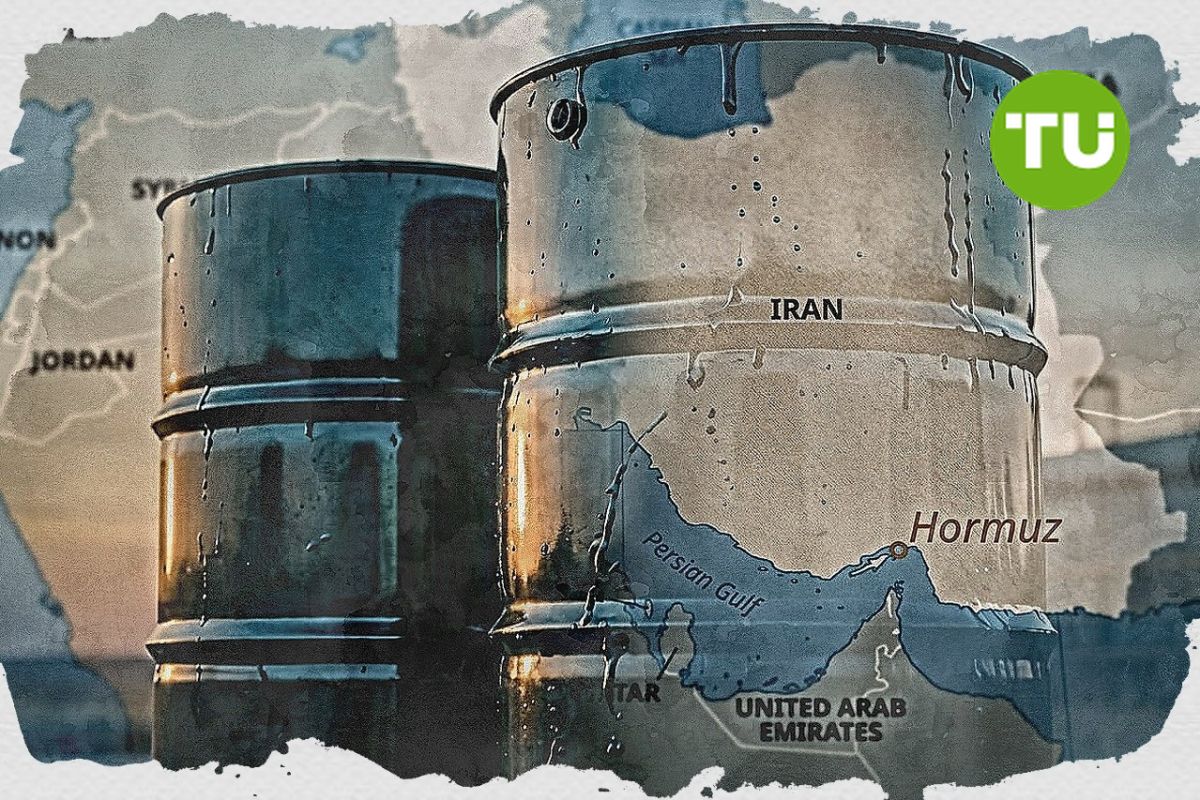
The United States launched a new wave of strikes on Iranian targets, reviving fears of another threat to energy flows through Hormuz. Brent crude reacted immediately to the escalation of the conflict and rose above $95 a barrel.
Highlights
- The U.S. launched a second straight wave of strikes on Iranian targets.
- Brent crude rose above $95 a barrel.
- Iran-linked media said the Strait of Hormuz was closed, while U.S. officials disputed the claim.
- The market is focused on shipping risk, insurance costs and dark transits.
According to Bloomberg, U.S. Central Command said the strikes began Wednesday evening in New York and were completed several hours later. The targets included Iranian surveillance systems, air defense sites, and communications networks that Washington said posed a threat to U.S. forces and commercial shipping in regional waters. The latest operation followed earlier U.S. strikes after the downing of an American Apache helicopter near the Strait of Hormuz.
Hormuz claims drive oil risk
The oil market’s main concern remains the Strait of Hormuz, the narrow waterway that links the Persian Gulf with global markets. Iranian state media, citing the Khatam al-Anbiya Central Headquarters, said the strait had been closed to all vessels, including commercial ships. Iran’s Revolutionary Guard Navy also claimed it had struck two vessels attempting to pass through the area.
U.S. officials disputed Iran’s closure claim, saying commercial traffic was still moving through the strait. The conflicting accounts left traders focused less on confirmed supply losses and more on the risk that insurance costs, vessel delays, and dark transits could tighten the market even without a formal blockade. Oil futures rose as Middle East tensions increased, with Brent moving higher as investors reassessed supply disruption risks.
Oil and LNG flows through Hormuz have already been disrupted since the conflict widened earlier this year. Some producers have used dark transits to move cargoes, while recent tanker movements suggest Qatar and the United Arab Emirates have managed to send more liquefied natural gas shipments out of the Gulf.
Ceasefire strains deepen
The latest exchange suggests that the April ceasefire is close to breaking down, even if Washington and Israel have not returned to the intense bombing campaign seen earlier in the conflict. President Donald Trump has accused Iran of delaying talks on an interim peace deal, while Iranian officials have denied direct talks with him and warned that the country is prepared for further attacks.
For energy markets, the distinction between limited strikes and a broader campaign matters less with each escalation. Every new attack raises the chance that shipping companies, insurers, and commodity traders will price in a longer disruption.
Energy prices return to the inflation story
The market reaction shows why Hormuz remains central to the global inflation outlook. Before the war, the strait handled about 135 vessel transits a day and carried a major share of global oil and LNG shipments. Although Brent crude had fallen to about $93 a barrel at the time of writing, it remains high enough to put pressure on fuel prices, domestic profit margins, and consumer prices.
If traffic through Hormuz becomes less predictable, oil could stay volatile even without a full shutdown. That would complicate central bank policy at a time when energy prices are already feeding into inflation and markets are debating whether the Federal Reserve will tighten again this year.
It was earlier reported that oil jumped to $93 after the U.S. and Iran exchanged strikes.




Latest Brent News




-
 Afghanistan
-
 Albania
-
 Algeria
-
 Angola
-
 Argentina
-
 Armenia
-
 Australia
-
 Austria
-
 Azerbaijan
-
 Bahamas
-
 Bahrain
-
 Bangladesh
-
 Belarus
-
 Belgium
-
 Bolivia
-
 Botswana
-
 Brazil
-
 Brunei
-
 Bulgaria
-
 Cambodia
-
 Cameroon
-
 Canada
-
 Chile
Chile
-
 China
China
-
 Colombia
-
 Congo
Congo
-
 Costa Rica
-
 Cote d'Ivoire
-
 Croatia
-
 Cuba
Cuba
-
 Cyprus
-
 Czechia
-
 DR Congo
-
 Denmark
-
 Dominican Republic
-
 Ecuador
-
 Egypt
Egypt
-
 El Salvador
-
 Estonia
-
 Eswatini
-
 Ethiopia
-
 Finland
-
 France
-
 Georgia
-
 Germany
-
 Ghana
Ghana
-
 Greece
-
 Haiti
Haiti
-
 Hong Kong
-
 Hungary
-
 India
India
-
 Indonesia
-
 Iran, Islamic republic
-
 Iraq
Iraq
-
 Ireland
-
 Israel
-
 Italy
Italy
-
 Jamaica
-
 Japan
Japan
-
 Jordan
-
 Kazakhstan
-
 Kenya
Kenya
-
 Korea
Korea
-
 Kuwait
-
 Kyrgyzstan
-
 Laos
Laos
-
 Latvia
-
 Lebanon
-
 Lesotho
-
 Libya
Libya
-
 Lithuania
-
 Luxembourg
-
 Madagascar
-
 Malaysia
-
 Malta
Malta
-
 Mauritius
-
 Mexico
-
 Moldova
-
 Mongolia
-
 Montenegro
-
 Morocco
-
 Mozambique
-
 Myanmar
-
 Namibia
-
 Nepal
Nepal
-
 Netherlands
-
 New Zealand
-
 Nigeria
-
 North Macedonia
-
 Norway
-
 Oman
Oman
-
 Pakistan
-
 Palestine
-
 Panama
-
 Papua New Guinea
-
 Paraguay
-
 Peru
Peru
-
 Philippines
-
 Poland
-
 Portugal
-
 Puerto Rico
-
 Qatar
Qatar
-
 Reunion
-
 Romania
-
 Rwanda
-
 Saudi Arabia
-
 Serbia
-
 Singapore
-
 Slovakia
-
 Slovenia
-
 Somalia
-
 South Africa
-
 Spain
Spain
-
 Sri Lanka
-
 Sweden
-
 Switzerland
-
 Syria
Syria
-
 Taiwan
-
 Tajikistan
-
 Tanzania
-
 Thailand
-
 Trinidad and Tobago
-
 Tunisia
-
 Turkey
-
 UAE
UAE
-
 Uganda
-
 Ukraine
-
 United Kingdom
-
United States
-
 Uruguay
-
 Uzbekistan
-
 Venezuela
-
 Vietnam
-
 Yemen
Yemen
-
 Zambia
-
 Zimbabwe
- Forex
- Crypto












