
U.S. oil reserves face operational stress as emergency buffer shrinks
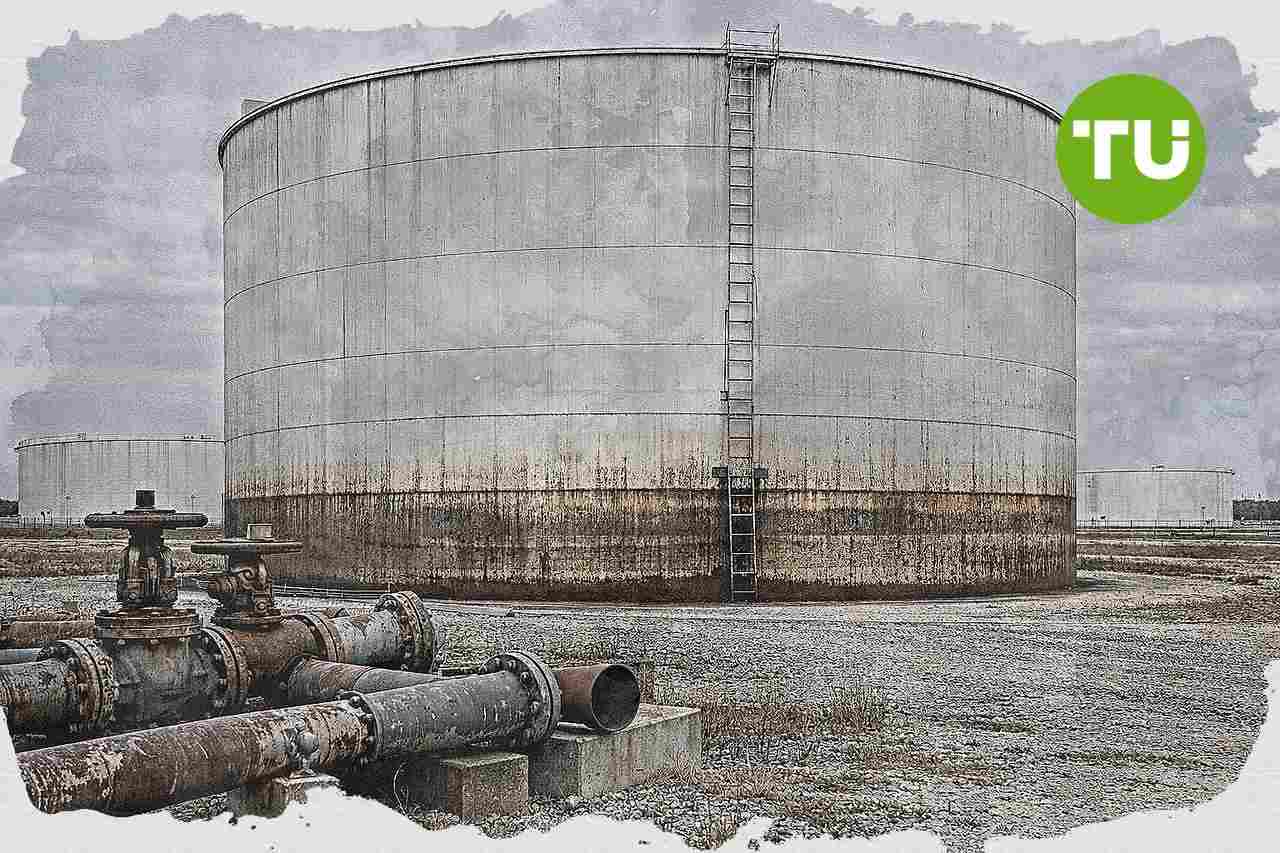
Global oil markets are already absorbing a supply shock as inventories fall while the Strait of Hormuz remains blocked. For the U.S., the main risk is not an immediate shortage of crude but a faster erosion of emergency reserves that limits Washington’s ability to cushion future disruptions.
Highlights
- U.S. oil inventories have declined for months, reducing the emergency buffer and increasing exposure to price spikes from smaller disruptions.
- The U.S. Strategic Petroleum Reserve now holds about 350–360 million barrels, down from over 700 million, with weekly withdrawals reaching 8–10 million barrels.
- JPMorgan and Brookings Institution warn that global oil stocks could drop to 7.45 billion barrels by July, the lowest since at least 2017, risking operational stress and price volatility.
Inventory drawdowns raise reserve pressure
As reported by Weiss Ratings, the oil market’s vulnerability now centers on shrinking storage levels rather than headline production capacity. The analysis says governments have been drawing down inventories for months to offset lost Persian Gulf supply, reducing the cushion available to absorb further disruption.Although the U.S. produces about 14 million barrels a day and is linked by pipeline infrastructure to Canada and Mexico, domestic output does not fully insulate consumers from global pricing. Oil trades in an international market, and tighter worldwide inventories can lift exports and increase pressure on U.S. fuel prices.
The report says not all crude held in storage is available for immediate use because part of it serves as system fill needed to keep pipelines, refineries, tankers and distribution networks operating. As stocks approach what the industry calls operational minimums and tank bottoms, refiners can begin competing more aggressively for available barrels and smaller disruptions can have larger effects.
Strategic Petroleum Reserve limits come into focus
The U.S. Strategic Petroleum Reserve, created after the oil shocks of the 1970s, has been used repeatedly to ease fuel costs and offset market disruption. Weiss Ratings says the reserve once held more than 700 million barrels, while recent estimates place holdings at about 350 million to 360 million barrels, around half the historic peak.The analysis adds that recent withdrawals have reached 8 million to 10 million barrels a week in several weeks, a pace that could remove more than 100 million barrels in a quarter. It also cites analyst estimates that the U.S. needs roughly 180 million to 200 million barrels in reserve to meet international obligations and preserve a credible emergency stockpile.
The note points to warnings from Brookings Institution researchers that global inventories could approach operational stress levels as soon as July if current drawdown rates continue. It also cites Exxon Mobil Senior Vice President Neil Chapman saying inventories are nearing unusually low levels, while JPMorgan projects global oil stocks could fall to about 7.45 billion barrels by July, the lowest level for a comparable period since at least 2017.
For energy markets, the implication is that the Strategic Petroleum Reserve can delay a supply crunch but cannot resolve a prolonged imbalance between supply and demand. If inventories keep falling while the market expects a quick normalization in Hormuz shipping flows, crude and gasoline prices could face renewed upside pressure.
In our earlier article on U.S. strikes on Iranian targets near the Strait of Hormuz, we covered how the latest military escalation raised fears of renewed disruption to a critical energy corridor. We also noted the immediate market response, with oil prices fluctuating as traders weighed the outlook for further attacks and tightening supply, alongside signs of falling U.S. crude inventories.





Latest Brent News









-
 Afghanistan
-
 Albania
-
 Algeria
-
 Angola
-
 Argentina
-
 Armenia
-
 Australia
-
 Austria
-
 Azerbaijan
-
 Bahamas
-
 Bahrain
-
 Bangladesh
-
 Belarus
-
 Belgium
-
 Bolivia
-
 Botswana
-
 Brazil
-
 Brunei
-
 Bulgaria
-
 Cambodia
-
 Cameroon
-
 Canada
-
 Chile
Chile
-
 China
China
-
 Colombia
-
 Congo
Congo
-
 Costa Rica
-
 Cote d'Ivoire
-
 Croatia
-
 Cuba
Cuba
-
 Cyprus
-
 Czechia
-
 DR Congo
-
 Denmark
-
 Dominican Republic
-
 Ecuador
-
 Egypt
Egypt
-
 El Salvador
-
 Estonia
-
 Eswatini
-
 Ethiopia
-
 Finland
-
 France
-
 Georgia
-
 Germany
-
 Ghana
Ghana
-
 Greece
-
 Haiti
Haiti
-
 Hong Kong
-
 Hungary
-
 India
India
-
 Indonesia
-
 Iran, Islamic republic
-
 Iraq
Iraq
-
 Ireland
-
 Israel
-
 Italy
Italy
-
 Jamaica
-
 Japan
Japan
-
 Jordan
-
 Kazakhstan
-
 Kenya
Kenya
-
 Korea
Korea
-
 Kuwait
-
 Kyrgyzstan
-
 Laos
Laos
-
 Latvia
-
 Lebanon
-
 Lesotho
-
 Libya
Libya
-
 Lithuania
-
 Luxembourg
-
 Madagascar
-
 Malaysia
-
 Malta
Malta
-
 Mauritius
-
 Mexico
-
 Moldova
-
 Mongolia
-
 Montenegro
-
 Morocco
-
 Mozambique
-
 Myanmar
-
 Namibia
-
 Nepal
Nepal
-
 Netherlands
-
 New Zealand
-
 Nigeria
-
 North Macedonia
-
 Norway
-
 Oman
Oman
-
 Pakistan
-
 Palestine
-
 Panama
-
 Papua New Guinea
-
 Paraguay
-
 Peru
Peru
-
 Philippines
-
 Poland
-
 Portugal
-
 Puerto Rico
-
 Qatar
Qatar
-
 Reunion
-
 Romania
-
 Rwanda
-
 Saudi Arabia
-
 Serbia
-
 Singapore
-
 Slovakia
-
 Slovenia
-
 Somalia
-
 South Africa
-
 Spain
Spain
-
 Sri Lanka
-
 Sweden
-
 Switzerland
-
 Syria
Syria
-
 Taiwan
-
 Tajikistan
-
 Tanzania
-
 Thailand
-
 Trinidad and Tobago
-
 Tunisia
-
 Turkey
-
 UAE
UAE
-
 Uganda
-
 Ukraine
-
 United Kingdom
-
United States
-
 Uruguay
-
 Uzbekistan
-
 Venezuela
-
 Vietnam
-
 Yemen
Yemen
-
 Zambia
-
 Zimbabwe
- Forex
- Crypto












