
The tweet was deleted by the author.
But we saved everything 🙂.
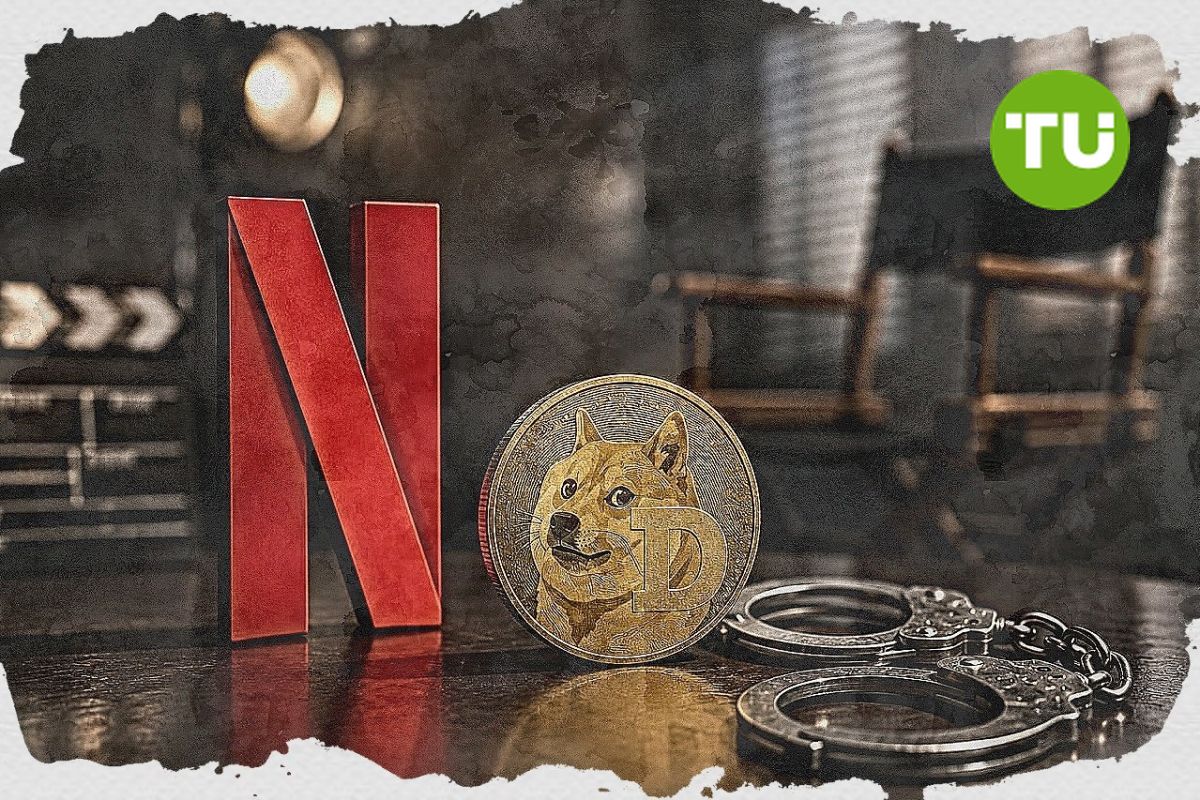
U.S. filmmaker Carl Erik Rinsch, director of 47 Ronin, has been sentenced to 30 months in prison for defrauding Netflix of $11 million that had been allocated to produce a television series. Prosecutors said that instead of completing the project, he invested the money in high-risk stock trades and Dogecoin, then spent the profits on luxury goods.
Netflix had provided Rinsch's production company with more than $44 million to produce the science fiction series White Horse, later renamed Conquest. In 2020, the director requested an additional $11 million, claiming the funds were needed to finish production.
According to prosecutors, Rinsch transferred most of the additional funding to his personal brokerage account. After losing about $5.9 million on speculative options trading, he moved the remaining more than $4 million to crypto exchange Kraken and purchased Dogecoin.
When the memecoin surged in 2021, he sold his holdings for nearly $27 million. In messages to a Kraken representative, Rinsch thanked the exchange and wished it "God's blessing."
The director later sued Netflix, seeking more than $14 million in additional payments, but an arbitration panel rejected his claims.
A federal jury found Rinsch guilty of fraud and money laundering. Although he faced up to 90 years in prison, the court imposed a 30-month sentence after considering evidence presented by the defense regarding his mental health.
Judge Jed Rakoff said that any mental health issues did not excuse Rinsch's actions, adding that the director had deliberately misled Netflix to obtain additional funding.
The case comes as U.S. courts continue to handle other major crypto-related fraud prosecutions.
Recently, Chinese billionaire Guo Wengui was sentenced in the United States to 30 years in prison for a scheme that prosecutors said caused investors to lose hundreds of millions of dollars. The court also ordered him to pay $889 million in restitution.
Earlier, a U.S. federal court ruled in favor of the SEC in the NanoBit case, ordering four entities and two individuals connected to the project to pay more than $5.4 million.

 Afghanistan
 Albania
 Algeria
 Angola
 Argentina
 Armenia
 Australia
 Austria
 Azerbaijan
 Bahamas
 Bahrain
 Bangladesh
 Belarus
 Belgium
 Bolivia
 Botswana
 Brazil
 Brunei
 Bulgaria
 Cambodia
 Cameroon
 Canada
 Chile
Chile
 China
China
 Colombia
 Congo
Congo
 Costa Rica
 Cote d'Ivoire
 Croatia
 Cuba
Cuba
 Cyprus
 Czechia
 DR Congo
 Denmark
 Dominican Republic
 Ecuador
 Egypt
Egypt
 El Salvador
 Estonia
 Eswatini
 Ethiopia
 Finland
 France
 Georgia
 Germany
 Ghana
Ghana
 Greece
 Haiti
Haiti
 Hong Kong
 Hungary
 India
India
 Indonesia
 Iran, Islamic republic
 Iraq
Iraq
 Ireland
 Israel
 Italy
Italy
 Jamaica
 Japan
Japan
 Jordan
 Kazakhstan
 Kenya
Kenya
 Korea
Korea
 Kuwait
 Kyrgyzstan
 Laos
Laos
 Latvia
 Lebanon
 Lesotho
 Libya
Libya
 Lithuania
 Luxembourg
 Madagascar
 Malaysia
 Malta
Malta
 Mauritius
 Mexico
 Moldova
 Mongolia
 Montenegro
 Morocco
 Mozambique
 Myanmar
 Namibia
 Nepal
Nepal
 Netherlands
 New Zealand
 Nigeria
 North Macedonia
 Norway
 Oman
Oman
 Pakistan
 Palestine
 Panama
 Papua New Guinea
 Paraguay
 Peru
Peru
 Philippines
 Poland
 Portugal
 Puerto Rico
 Qatar
Qatar
 Reunion
 Romania
 Rwanda
 Saudi Arabia
 Serbia
 Singapore
 Slovakia
 Slovenia
 Somalia
 South Africa
 Spain
Spain
 Sri Lanka
 Sweden
 Switzerland
 Syria
Syria
 Taiwan
 Tajikistan
 Tanzania
 Thailand
 Trinidad and Tobago
 Tunisia
 Turkey
 UAE
UAE
 Uganda
 Ukraine
 United Kingdom
United States
United Kingdom
United States
 Uruguay
 Uzbekistan
 Venezuela
 Vietnam
 Yemen
Yemen
 Zambia
 Zimbabwe