
TeraWulf highlights $19 billion Anthropic deal as AI infrastructure shift accelerates
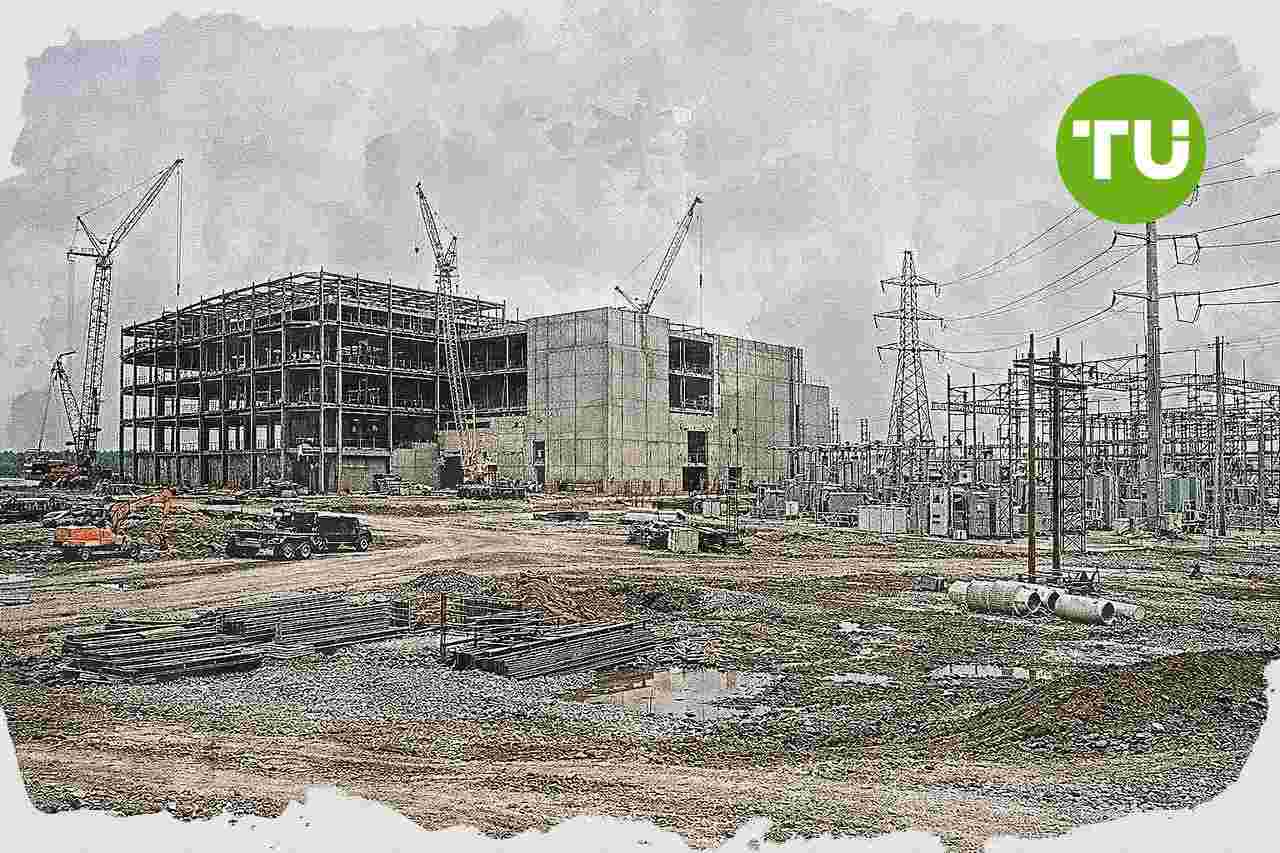
TeraWulf is positioning a long-term hosting agreement with Anthropic as a defining step in its move away from Bitcoin mining and deeper into AI data center infrastructure. The 20-year contract, tied to a Kentucky project expected to begin coming online in 2028, reflects rising demand for large-scale computing capacity and the company’s focus on owning power, land and operations.
Highlights
- TeraWulf inked a $19 billion multiyear AI hosting agreement with Anthropic, anchored by a new Kentucky facility expected online in 2028.
- The company is divesting non-core assets, including its Abernathy project stake, to reinvest in wholly owned AI infrastructure such as additional sites in eastern Kentucky.
- TeraWulf is pivoting away from Bitcoin mining to focus on AI infrastructure, citing access to reliable power as a key competitive advantage in the sector.
Kentucky project anchors AI expansion
As reported by CoinDesk, Chief Executive Paul Prager said TeraWulf’s agreement with Anthropic is worth about $19 billion over its full term and follows a competitive bidding process focused on access to grid power and durable infrastructure.Prager said the company already works with Anthropic and Google at its Lake Mariner campus in New York, giving TeraWulf an established relationship as it expands its AI hosting business. He said the Kentucky facility is set to begin coming online in 2028, and TeraWulf has hired Fluor to help build the site.
The executive said the company is selling non-core assets to direct more capital toward fully owned AI data centers. He described the sale of TeraWulf’s interest in the Abernathy project as a disciplined capital allocation decision, adding that proceeds are expected to be reinvested into wholly owned AI infrastructure projects, including additional sites in eastern Kentucky.
Power access shapes sector competition
Prager said TeraWulf no longer sees Bitcoin mining as part of its long-term strategy, arguing that mining’s commodity-linked revenue model does not offer the predictable long-term cash flows the company wants. He said the company originally entered Bitcoin mining because it already owned power assets, but now views AI infrastructure as a more natural fit for its business.He also said the AI infrastructure boom is constrained less by land availability than by the quality and reliability of electricity supply in the U.S. Successful AI campuses, he said, require dependable generation, redundant transmission, supportive regulation and strong local relationships, while labor and contractor availability are becoming bigger execution challenges than equipment procurement for increasingly specialized hyperscale facilities.
Prager added that TeraWulf is focusing on redeveloping former industrial sites and, where necessary, adding new power generation to support both AI facilities and the broader electric grid. His comments underscore a wider industry race in which operators with direct control over energy, land and operations may hold an advantage as AI computing demand grows.
Our earlier article on Astera Labs (ALAB) examined the stock’s sharp pullback despite a 93% year-over-year revenue surge driven by cloud and AI infrastructure demand. We also highlighted how heavy insider selling and a drop below the 20-day moving average increased near-term risk, even as medium- to long-term technical signals remained broadly constructive.


Latest USA News







-
 Afghanistan
-
 Albania
-
 Algeria
-
 Angola
-
 Argentina
-
 Armenia
-
 Australia
-
 Austria
-
 Azerbaijan
-
 Bahamas
-
 Bahrain
-
 Bangladesh
-
 Belarus
-
 Belgium
-
 Bolivia
-
 Botswana
-
 Brazil
-
 Brunei
-
 Bulgaria
-
 Cambodia
-
 Cameroon
-
 Canada
-
 Chile
Chile
-
 China
China
-
 Colombia
-
 Congo
Congo
-
 Costa Rica
-
 Cote d'Ivoire
-
 Croatia
-
 Cuba
Cuba
-
 Cyprus
-
 Czechia
-
 DR Congo
-
 Denmark
-
 Dominican Republic
-
 Ecuador
-
 Egypt
Egypt
-
 El Salvador
-
 Estonia
-
 Eswatini
-
 Ethiopia
-
 Finland
-
 France
-
 Georgia
-
 Germany
-
 Ghana
Ghana
-
 Greece
-
 Haiti
Haiti
-
 Hong Kong
-
 Hungary
-
 India
India
-
 Indonesia
-
 Iran, Islamic republic
-
 Iraq
Iraq
-
 Ireland
-
 Israel
-
 Italy
Italy
-
 Jamaica
-
 Japan
Japan
-
 Jordan
-
 Kazakhstan
-
 Kenya
Kenya
-
 Korea
Korea
-
 Kuwait
-
 Kyrgyzstan
-
 Laos
Laos
-
 Latvia
-
 Lebanon
-
 Lesotho
-
 Libya
Libya
-
 Lithuania
-
 Luxembourg
-
 Madagascar
-
 Malaysia
-
 Malta
Malta
-
 Mauritius
-
 Mexico
-
 Moldova
-
 Mongolia
-
 Montenegro
-
 Morocco
-
 Mozambique
-
 Myanmar
-
 Namibia
-
 Nepal
Nepal
-
 Netherlands
-
 New Zealand
-
 Nigeria
-
 North Macedonia
-
 Norway
-
 Oman
Oman
-
 Pakistan
-
 Palestine
-
 Panama
-
 Papua New Guinea
-
 Paraguay
-
 Peru
Peru
-
 Philippines
-
 Poland
-
 Portugal
-
 Puerto Rico
-
 Qatar
Qatar
-
 Reunion
-
 Romania
-
 Rwanda
-
 Saudi Arabia
-
 Serbia
-
 Singapore
-
 Slovakia
-
 Slovenia
-
 Somalia
-
 South Africa
-
 Spain
Spain
-
 Sri Lanka
-
 Sweden
-
 Switzerland
-
 Syria
Syria
-
 Taiwan
-
 Tajikistan
-
 Tanzania
-
 Thailand
-
 Trinidad and Tobago
-
 Tunisia
-
 Turkey
-
 UAE
UAE
-
 Uganda
-
 Ukraine
-
 United Kingdom
-
United States
-
 Uruguay
-
 Uzbekistan
-
 Venezuela
-
 Vietnam
-
 Yemen
Yemen
-
 Zambia
-
 Zimbabwe
- Forex
- Crypto











