
Bitcoin, stocks retreat as U.S.-Iran conflict lifts oil prices
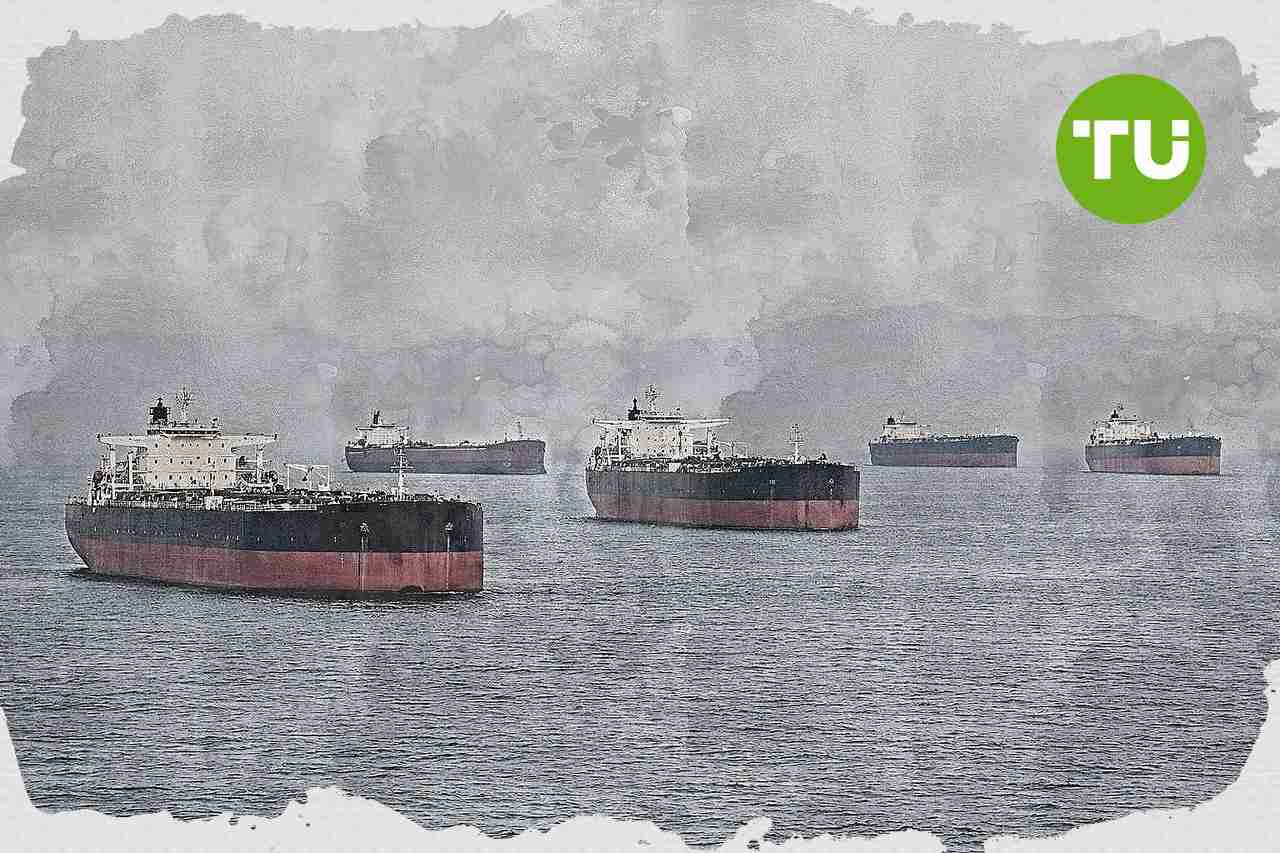
Rising tensions in the Middle East are pushing investors away from riskier assets as higher oil prices add to inflation concerns. Bitcoin falls to around $62,600 while European stocks and U.S. index futures also weaken ahead of June U.S. inflation data due later on July 14.
Highlights
- Bitcoin declines as Brent crude rises nearly 4% and the CoinDesk 20 index drops 0.6% amid renewed U.S.-Iran conflict impacting risk assets.
- Strait of Hormuz remains effectively closed for 136 days following tanker attacks, pushing oil prices to a four-week high and dampening equities globally.
- Prediction markets lower odds of Strait reopening by year-end to 56%, while the chance of a July Fed rate hike rises to 36% as Treasury yields climb to 4.28%.
Market moves amid Hormuz disruption
As reported by CoinDesk, bitcoin has fallen over the past 24 hours as traders cut exposure to risk assets while Brent crude rises nearly 4% on renewed conflict between the U.S. and Iran.Broader crypto markets also weaken, with the CoinDesk 20 index down 0.6% over the same period. European equity benchmarks are down about 1%, while U.S. index futures slip 0.3%, reflecting wider caution across financial markets.
Attacks on tankers reduce traffic through the Strait of Hormuz, a key route that carried about one-fifth of global oil and gas supplies before the conflict and has been effectively closed for 136 days. Oil prices reach a four-week high as hostilities restart, reversing part of the earlier relief trade that had supported bitcoin's rebound from late-June lows.
Inflation and rate expectations pressure crypto
Higher oil prices are raising near-term inflation risks, pushing Treasury yields higher and reducing demand for assets sensitive to interest-rate expectations. The perceived odds of the Strait of Hormuz reopening by the end of the year fall to 56% from 65%, while traders see almost no chance of a reopening by the end of this month.Prediction markets assign a 36% chance of a Federal Reserve rate increase this month, helping lift the two-year Treasury yield to 4.28%. June consumer price index data due later on July 14 is the next major test, with headline inflation expected to slow to 3.8% from 4.2% a year earlier and core inflation seen holding at 2.9%.
In our earlier article on the oil price rally tied to the Strait of Hormuz escalation, we noted that Brent and WTI climbed to around one-month highs as U.S.-Iran military activity intensified and tanker traffic slowed. The piece also highlighted reports of tanker strikes and the resulting uncertainty over whether the disruption would persist—an added risk premium that kept crude prices elevated.







-
 Afghanistan
-
 Albania
-
 Algeria
-
 Angola
-
 Argentina
-
 Armenia
-
 Australia
-
 Austria
-
 Azerbaijan
-
 Bahamas
-
 Bahrain
-
 Bangladesh
-
 Belarus
-
 Belgium
-
 Bolivia
-
 Botswana
-
 Brazil
-
 Brunei
-
 Bulgaria
-
 Cambodia
-
 Cameroon
-
 Canada
-
 Chile
Chile
-
 China
China
-
 Colombia
-
 Congo
Congo
-
 Costa Rica
-
 Cote d'Ivoire
-
 Croatia
-
 Cuba
Cuba
-
 Cyprus
-
 Czechia
-
 DR Congo
-
 Denmark
-
 Dominican Republic
-
 Ecuador
-
 Egypt
Egypt
-
 El Salvador
-
 Estonia
-
 Eswatini
-
 Ethiopia
-
 Finland
-
 France
-
 Georgia
-
 Germany
-
 Ghana
Ghana
-
 Greece
-
 Haiti
Haiti
-
 Hong Kong
-
 Hungary
-
 India
India
-
 Indonesia
-
 Iran, Islamic republic
-
 Iraq
Iraq
-
 Ireland
-
 Israel
-
 Italy
Italy
-
 Jamaica
-
 Japan
Japan
-
 Jordan
-
 Kazakhstan
-
 Kenya
Kenya
-
 Korea
Korea
-
 Kuwait
-
 Kyrgyzstan
-
 Laos
Laos
-
 Latvia
-
 Lebanon
-
 Lesotho
-
 Libya
Libya
-
 Lithuania
-
 Luxembourg
-
 Madagascar
-
 Malaysia
-
 Malta
Malta
-
 Mauritius
-
 Mexico
-
 Moldova
-
 Mongolia
-
 Montenegro
-
 Morocco
-
 Mozambique
-
 Myanmar
-
 Namibia
-
 Nepal
Nepal
-
 Netherlands
-
 New Zealand
-
 Nigeria
-
 North Macedonia
-
 Norway
-
 Oman
Oman
-
 Pakistan
-
 Palestine
-
 Panama
-
 Papua New Guinea
-
 Paraguay
-
 Peru
Peru
-
 Philippines
-
 Poland
-
 Portugal
-
 Puerto Rico
-
 Qatar
Qatar
-
 Reunion
-
 Romania
-
 Rwanda
-
 Saudi Arabia
-
 Serbia
-
 Singapore
-
 Slovakia
-
 Slovenia
-
 Somalia
-
 South Africa
-
 Spain
Spain
-
 Sri Lanka
-
 Sweden
-
 Switzerland
-
 Syria
Syria
-
 Taiwan
-
 Tajikistan
-
 Tanzania
-
 Thailand
-
 Trinidad and Tobago
-
 Tunisia
-
 Turkey
-
 UAE
UAE
-
 Uganda
-
 Ukraine
-
 United Kingdom
-
United States
-
 Uruguay
-
 Uzbekistan
-
 Venezuela
-
 Vietnam
-
 Yemen
Yemen
-
 Zambia
-
 Zimbabwe
- Forex
- Crypto











