
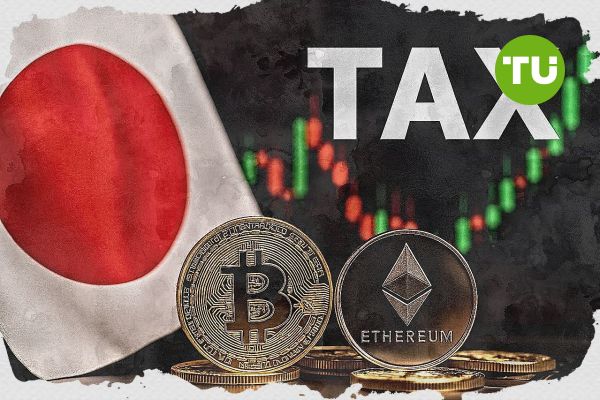
Japan is preparing a sweeping overhaul of its financial system as part of its drive to become an international hub for capital management and investment, with digital assets and investor taxation at the heart of the reform agenda.
According to CoinPedia, the Financial Services Agency (FSA) is drafting measures that could significantly ease the tax burden on cryptocurrency investors and pave the way for the launch of exchange-traded funds (ETFs) linked to digital assets.
Tax relief for crypto investors
Currently, profits from cryptocurrency transactions in Japan are taxed at progressive rates of up to 55%, placing investors at a disadvantage compared to stock or bond traders, who pay a flat 20% rate. The FSA now proposes to move crypto profits into that same 20% bracket and allow traders to carry forward losses for three years.
The initiative is designed to lower barriers for retail investors, stimulate participation in the domestic market, and restore trust in Japan’s financial system after years of skepticism surrounding digital assets.
Cryptocurrencies as financial products
Another key reform under discussion is the reclassification of digital assets. If cryptocurrencies are recognized as financial products under the Financial Instruments and Exchange Act, regulators will be able to apply the same standards of transparency, disclosure, and insider trading oversight as in the stock market. Such a step could also create the conditions for Japan’s first spot Bitcoin ETF, bringing the country closer to markets like the U.S. and Canada.
Expanding digital finance offerings
Beyond taxation and classification, Japan is also preparing to expand its range of new digital products. A yen-pegged stablecoin is expected to be approved as early as fall 2025, while financial giant SBI Holdings plans to launch its RLUSD stablecoin by early 2026 through its SBI VC Trade platform. Policymakers see these tools as a bridge between traditional finance and emerging blockchain ecosystems.
Roadmap through 2026
In 2026, the FSA intends to establish a dedicated bureau to oversee insurance, asset management, and digital finance. The new body will be tasked with strengthening oversight, preventing fraud, and ensuring investor protection after a series of scandals in the insurance sector eroded public confidence.
With stricter rules for token fundraising, enhanced disclosure requirements, and clearer tax guidelines, Japan aims to attract both institutional and retail investors. If successful, these reforms could transform one of Asia’s most cautious crypto markets into a hub for regulated growth.
Read also: Goldman Sachs sees stablecoins as new force in global financial system





Latest Finance News










-
 Afghanistan
-
 Albania
-
 Algeria
-
 Angola
-
 Argentina
-
 Armenia
-
 Australia
-
 Austria
-
 Azerbaijan
-
 Bahamas
-
 Bahrain
-
 Bangladesh
-
 Belarus
-
 Belgium
-
 Bolivia
-
 Botswana
-
 Brazil
-
 Brunei
-
 Bulgaria
-
 Cambodia
-
 Cameroon
-
 Canada
-
 Chile
Chile
-
 China
China
-
 Colombia
-
 Congo
Congo
-
 Costa Rica
-
 Cote d'Ivoire
-
 Croatia
-
 Cuba
Cuba
-
 Cyprus
-
 Czechia
-
 DR Congo
-
 Denmark
-
 Dominican Republic
-
 Ecuador
-
 Egypt
Egypt
-
 El Salvador
-
 Estonia
-
 Eswatini
-
 Ethiopia
-
 Finland
-
 France
-
 Georgia
-
 Germany
-
 Ghana
Ghana
-
 Greece
-
 Haiti
Haiti
-
 Hong Kong
-
 Hungary
-
 India
India
-
 Indonesia
-
 Iran, Islamic republic
-
 Iraq
Iraq
-
 Ireland
-
 Israel
-
 Italy
Italy
-
 Jamaica
-
 Japan
Japan
-
 Jordan
-
 Kazakhstan
-
 Kenya
Kenya
-
 Korea
Korea
-
 Kuwait
-
 Kyrgyzstan
-
 Laos
Laos
-
 Latvia
-
 Lebanon
-
 Lesotho
-
 Libya
Libya
-
 Lithuania
-
 Luxembourg
-
 Madagascar
-
 Malaysia
-
 Malta
Malta
-
 Mauritius
-
 Mexico
-
 Moldova
-
 Mongolia
-
 Montenegro
-
 Morocco
-
 Mozambique
-
 Myanmar
-
 Namibia
-
 Nepal
Nepal
-
 Netherlands
-
 New Zealand
-
 Nigeria
-
 North Macedonia
-
 Norway
-
 Oman
Oman
-
 Pakistan
-
 Palestine
-
 Panama
-
 Papua New Guinea
-
 Paraguay
-
 Peru
Peru
-
 Philippines
-
 Poland
-
 Portugal
-
 Puerto Rico
-
 Qatar
Qatar
-
 Reunion
-
 Romania
-
 Rwanda
-
 Saudi Arabia
-
 Serbia
-
 Singapore
-
 Slovakia
-
 Slovenia
-
 Somalia
-
 South Africa
-
 Spain
Spain
-
 Sri Lanka
-
 Sweden
-
 Switzerland
-
 Syria
Syria
-
 Taiwan
-
 Tajikistan
-
 Tanzania
-
 Thailand
-
 Trinidad and Tobago
-
 Tunisia
-
 Turkey
-
 UAE
UAE
-
 Uganda
-
 Ukraine
-
 United Kingdom
-
United States
-
 Uruguay
-
 Uzbekistan
-
 Venezuela
-
 Vietnam
-
 Yemen
Yemen
-
 Zambia
-
 Zimbabwe
- Forex
- Crypto











