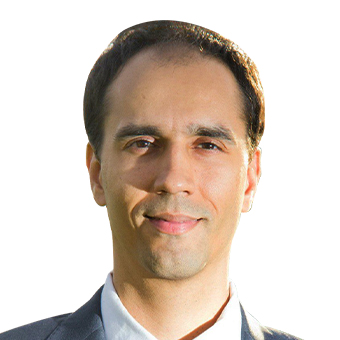
The tweet was deleted by the author.
But we saved everything 🙂.
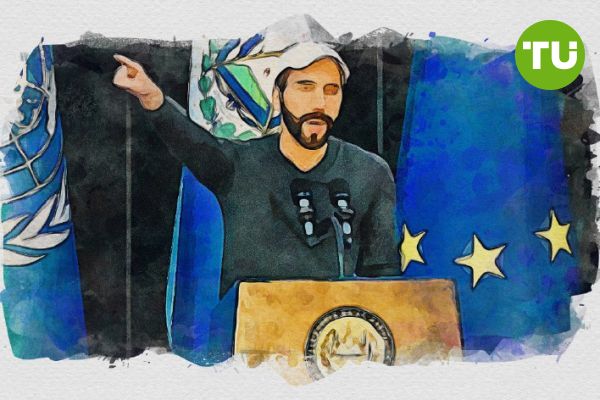
El Salvador is taking ambitious steps to cement its place as a global Bitcoin pioneer. President Nayib Bukele’s administration is advancing plans to transform the country into the first fully Bitcoin-powered nation, with a decentralized model aimed at empowering citizens.
Key to this initiative is the installation of Bitcoin nodes in every Salvadoran household, enabling greater accessibility and infrastructure for cryptocurrency, according to the Cryptopolitan.
Max Keiser, a prominent Bitcoin advocate and advisor to the government, highlighted El Salvador’s push to achieve the highest Bitcoin ownership per capita, surpassing Bhutan.
El Salvador government has embraced a strategy of purchasing Bitcoin daily, accumulating over 6,000 BTC in reserves, valued at approximately $583 million. Recent additions include 21 BTC acquired for $1.91 million.
El Salvador has also integrated its natural resources into its Bitcoin strategy. The country’s geothermal plants, powered by volcanic energy, have generated 473.5 BTC to date. This sustainable approach not only supports the country’s green energy goals but also reinforces its position as a hub for crypto mining.
The adoption of Bitcoin as legal tender in 2021 marked a turning point for El Salvador. The administration has since championed innovative, crowd-funded initiatives aimed at creating a circular Bitcoin economy.
Critics, including MicroStrategy’s Michael Saylor, have questioned the risks of such policies, but Keiser insists that El Salvador’s model reduces debt and strengthens GDP without exposing citizens to counterparty risk.
El Salvador’s efforts could redefine economic governance. By decentralizing wealth through Bitcoin nodes, the government envisions a future where international monetary institutions hold less sway, potentially inspiring other nations to follow suit.
El Salvador, with its Bitcoin Office, is sparking a 'global sovereign domino effect' of countries adopting cryptocurrency. This shift could signal a broader move toward digital currencies as nations explore alternatives to traditional financial systems.

 Afghanistan
 Albania
 Algeria
 Angola
 Argentina
 Armenia
 Australia
 Austria
 Azerbaijan
 Bahamas
 Bahrain
 Bangladesh
 Belarus
 Belgium
 Bolivia
 Botswana
 Brazil
 Brunei
 Bulgaria
 Cambodia
 Cameroon
 Canada
 Chile
Chile
 China
China
 Colombia
 Congo
Congo
 Costa Rica
 Cote d'Ivoire
 Croatia
 Cuba
Cuba
 Cyprus
 Czechia
 DR Congo
 Denmark
 Dominican Republic
 Ecuador
 Egypt
Egypt
 El Salvador
 Estonia
 Eswatini
 Ethiopia
 Finland
 France
 Georgia
 Germany
 Ghana
Ghana
 Greece
 Haiti
Haiti
 Hong Kong
 Hungary
 India
India
 Indonesia
 Iran, Islamic republic
 Iraq
Iraq
 Ireland
 Israel
 Italy
Italy
 Jamaica
 Japan
Japan
 Jordan
 Kazakhstan
 Kenya
Kenya
 Korea
Korea
 Kuwait
 Kyrgyzstan
 Laos
Laos
 Latvia
 Lebanon
 Lesotho
 Libya
Libya
 Lithuania
 Luxembourg
 Madagascar
 Malaysia
 Malta
Malta
 Mauritius
 Mexico
 Moldova
 Mongolia
 Montenegro
 Morocco
 Mozambique
 Myanmar
 Namibia
 Nepal
Nepal
 Netherlands
 New Zealand
 Nigeria
 North Macedonia
 Norway
 Oman
Oman
 Pakistan
 Palestine
 Panama
 Papua New Guinea
 Paraguay
 Peru
Peru
 Philippines
 Poland
 Portugal
 Puerto Rico
 Qatar
Qatar
 Reunion
 Romania
 Rwanda
 Saudi Arabia
 Serbia
 Singapore
 Slovakia
 Slovenia
 Somalia
 South Africa
 Spain
Spain
 Sri Lanka
 Sweden
 Switzerland
 Syria
Syria
 Taiwan
 Tajikistan
 Tanzania
 Thailand
 Trinidad and Tobago
 Tunisia
 Turkey
 UAE
UAE
 Uganda
 Ukraine
 United Kingdom
United States
United Kingdom
United States
 Uruguay
 Uzbekistan
 Venezuela
 Vietnam
 Yemen
Yemen
 Zambia
 Zimbabwe

















