
The tweet was deleted by the author.
But we saved everything 🙂.
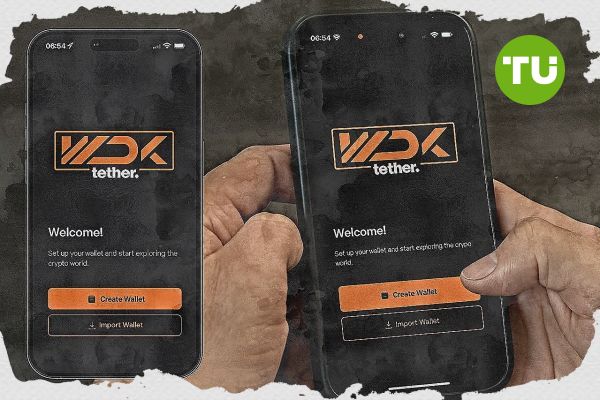
Tether, the issuer of the world’s largest stablecoin USDT, will release a fully open-source Wallet Development Kit (WDK) this week, according to CEO Paolo Ardoino.
The toolkit will include starter wallet templates for iOS and Android, enabling developers to build secure, non-custodial crypto wallets faster and with greater flexibility.
- Tether’s new Wallet Development Kit (WDK) will be fully open source, featuring starter wallets for iOS and Android to speed up secure wallet creation.
- The kit enables non-custodial wallet control, multiple backup options, and integrated DeFi modules for lending, swapping, and stablecoin operations.
- CEO Paolo Ardoino emphasized the project’s goal of expanding self-custody and DeFi access for both users and enterprises.
- For traders, the WDK could simplify stablecoin transactions and on-chain portfolio management, strengthening Tether’s role in the global crypto economy.
In a post on X (formerly Twitter), Ardoino described the WDK as part of Tether’s commitment to “open-source principles and self-custody.” The demo version includes a template wallet that provides users with complete non-custodial control, multiple mnemonic backup options, and a built-in DeFi module supporting USDT, USD₮₀ (Tether Gold), lending, swapping, and yield functions.
The new development kit is designed to reduce build times for developers launching crypto wallets and expand access to self-custody solutions for both individuals and enterprises. Ardoino noted that the initiative seeks to empower developers to create user-owned wallets that combine security and speed across mobile platforms.
Tether’s WDK comes amid rising demand for non-custodial infrastructure, as users increasingly seek alternatives to centralized exchanges. By offering pre-built modules and secure open-source components, Tether aims to bridge the gap between traditional finance and decentralized ecosystems — potentially enabling fintech firms, startups, and merchants to integrate stablecoin functionality more efficiently.
Under Paolo Ardoino’s leadership, Tether has pursued a broader strategy of diversifying its technology portfolio beyond stablecoin issuance. The company recently expanded into areas such as energy infrastructure, blockchain development, and open-source initiatives.For traders and institutions, the open WDK could offer faster integration of stablecoin payments and DeFi tools, creating new opportunities for on-chain liquidity and portfolio management.
Looking ahead, Tether’s move signals a shift toward decentralized accessibility and developer empowerment — a development that could accelerate mainstream crypto adoption in the coming year.
In an earlier report, we noted that Tether is under fire again: How mining tax became reputational threat.

 Afghanistan
 Albania
 Algeria
 Angola
 Argentina
 Armenia
 Australia
 Austria
 Azerbaijan
 Bahamas
 Bahrain
 Bangladesh
 Belarus
 Belgium
 Bolivia
 Botswana
 Brazil
 Brunei
 Bulgaria
 Cambodia
 Cameroon
 Canada
 Chile
Chile
 China
China
 Colombia
 Congo
Congo
 Costa Rica
 Cote d'Ivoire
 Croatia
 Cuba
Cuba
 Cyprus
 Czechia
 DR Congo
 Denmark
 Dominican Republic
 Ecuador
 Egypt
Egypt
 El Salvador
 Estonia
 Eswatini
 Ethiopia
 Finland
 France
 Georgia
 Germany
 Ghana
Ghana
 Greece
 Haiti
Haiti
 Hong Kong
 Hungary
 India
India
 Indonesia
 Iran, Islamic republic
 Iraq
Iraq
 Ireland
 Israel
 Italy
Italy
 Jamaica
 Japan
Japan
 Jordan
 Kazakhstan
 Kenya
Kenya
 Korea
Korea
 Kuwait
 Kyrgyzstan
 Laos
Laos
 Latvia
 Lebanon
 Lesotho
 Libya
Libya
 Lithuania
 Luxembourg
 Madagascar
 Malaysia
 Malta
Malta
 Mauritius
 Mexico
 Moldova
 Mongolia
 Montenegro
 Morocco
 Mozambique
 Myanmar
 Namibia
 Nepal
Nepal
 Netherlands
 New Zealand
 Nigeria
 North Macedonia
 Norway
 Oman
Oman
 Pakistan
 Palestine
 Panama
 Papua New Guinea
 Paraguay
 Peru
Peru
 Philippines
 Poland
 Portugal
 Puerto Rico
 Qatar
Qatar
 Reunion
 Romania
 Rwanda
 Saudi Arabia
 Serbia
 Singapore
 Slovakia
 Slovenia
 Somalia
 South Africa
 Spain
Spain
 Sri Lanka
 Sweden
 Switzerland
 Syria
Syria
 Taiwan
 Tajikistan
 Tanzania
 Thailand
 Trinidad and Tobago
 Tunisia
 Turkey
 UAE
UAE
 Uganda
 Ukraine
 United Kingdom
United States
United Kingdom
United States
 Uruguay
 Uzbekistan
 Venezuela
 Vietnam
 Yemen
Yemen
 Zambia
 Zimbabwe