
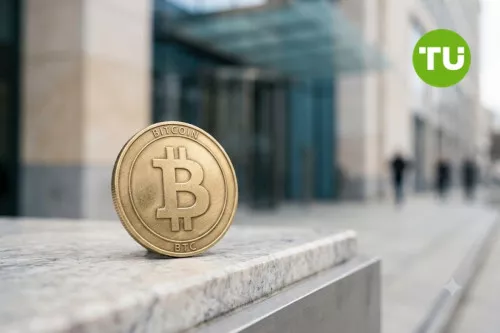
Mt. Gox delays creditor repayments to 2026 in latest setback for victims

The defunct Tokyo-based cryptocurrency exchange Mt. Gox has once again delayed its creditor repayment deadline—this time by one full year, moving it from October 31, 2025, to October 31, 2026.
The announcement came on Monday, just four days before the previous deadline, reports The Block.
According to the rehabilitation trustee, the exchange has “largely completed” payments under its base repayment, early lump-sum repayment, and intermediate repayment plans for eligible creditors. However, many creditors have yet to receive their funds due to incomplete documentation or procedural errors. To ensure all eligible creditors receive payments “to the extent reasonably practicable,” the trustee sought and obtained court approval to extend the repayment deadline by another year. This marks the third postponement since the process began, adding yet another chapter to one of crypto’s most prolonged legal sagas.
Progress made, but hurdles remain
Mt. Gox, which collapsed in 2014 following the loss of 850,000 BTC in one of the largest hacks in cryptocurrency history, has slowly been moving toward reimbursing affected users. In September 2023, the rehabilitation trustee confirmed plans to repay creditors with 142,000 BTC, 143,000 BCH, and 69 billion yen ($510 million) in fiat currency. Since mid-2024, several creditors have reported partial repayments through exchanges such as Kraken and Bitstamp, with around 19,500 creditors confirmed to have received distributions as of March 2025.
Despite this progress, 34,689 BTC—worth approximately $4 billion according to Arkham onchain data—remains under the trustee’s management. The latest delay indicates that full repayment will likely extend well into 2026, reflecting the administrative complexity and international nature of the rehabilitation process.
Mt. Gox’s enduring legacy in crypto regulation
Once the dominant hub for Bitcoin trading, Mt. Gox handled roughly 70% of global BTC transactions at its peak before the 2014 breach forced it into bankruptcy. Its collapse triggered a wave of regulatory reforms in Japan and influenced how governments worldwide approach crypto exchange security and investor protection.
The drawn-out rehabilitation process has become emblematic of the challenges in reconciling early crypto-era losses within modern regulatory frameworks. While the extension frustrates many long-waiting creditors, analysts note that Mt. Gox’s eventual repayments could inject significant liquidity back into the market—especially given Bitcoin’s current valuation levels. For now, the crypto community continues to monitor developments closely, as Mt. Gox’s final resolution remains one of the most closely watched events in digital asset history.
Recently we wrote that a dormant Bitcoin wallet linked to the infamous collapse of the Mt. Gox exchange is once again in the spotlight—this time as a potential target of suspected scammers. The wallet, which holds nearly 80,000 BTC (approximately $8.7 billion at current prices), received a suspicious transaction aimed at its owner, raising concerns about a new wave of cyber fraud.





Latest Bitcoin News





-
 Afghanistan
-
 Albania
-
 Algeria
-
 Angola
-
 Argentina
-
 Armenia
-
 Australia
-
 Austria
-
 Azerbaijan
-
 Bahamas
-
 Bahrain
-
 Bangladesh
-
 Belarus
-
 Belgium
-
 Bolivia
-
 Botswana
-
 Brazil
-
 Brunei
-
 Bulgaria
-
 Cambodia
-
 Cameroon
-
 Canada
-
 Chile
Chile
-
 China
China
-
 Colombia
-
 Congo
Congo
-
 Costa Rica
-
 Cote d'Ivoire
-
 Croatia
-
 Cuba
Cuba
-
 Cyprus
-
 Czechia
-
 DR Congo
-
 Denmark
-
 Dominican Republic
-
 Ecuador
-
 Egypt
Egypt
-
 El Salvador
-
 Estonia
-
 Eswatini
-
 Ethiopia
-
 Finland
-
 France
-
 Georgia
-
 Germany
-
 Ghana
Ghana
-
 Greece
-
 Haiti
Haiti
-
 Hong Kong
-
 Hungary
-
 India
India
-
 Indonesia
-
 Iran, Islamic republic
-
 Iraq
Iraq
-
 Ireland
-
 Israel
-
 Italy
Italy
-
 Jamaica
-
 Japan
Japan
-
 Jordan
-
 Kazakhstan
-
 Kenya
Kenya
-
 Korea
Korea
-
 Kuwait
-
 Kyrgyzstan
-
 Laos
Laos
-
 Latvia
-
 Lebanon
-
 Lesotho
-
 Libya
Libya
-
 Lithuania
-
 Luxembourg
-
 Madagascar
-
 Malaysia
-
 Malta
Malta
-
 Mauritius
-
 Mexico
-
 Moldova
-
 Mongolia
-
 Montenegro
-
 Morocco
-
 Mozambique
-
 Myanmar
-
 Namibia
-
 Nepal
Nepal
-
 Netherlands
-
 New Zealand
-
 Nigeria
-
 North Macedonia
-
 Norway
-
 Oman
Oman
-
 Pakistan
-
 Palestine
-
 Panama
-
 Papua New Guinea
-
 Paraguay
-
 Peru
Peru
-
 Philippines
-
 Poland
-
 Portugal
-
 Puerto Rico
-
 Qatar
Qatar
-
 Reunion
-
 Romania
-
 Rwanda
-
 Saudi Arabia
-
 Serbia
-
 Singapore
-
 Slovakia
-
 Slovenia
-
 Somalia
-
 South Africa
-
 Spain
Spain
-
 Sri Lanka
-
 Sweden
-
 Switzerland
-
 Syria
Syria
-
 Taiwan
-
 Tajikistan
-
 Tanzania
-
 Thailand
-
 Trinidad and Tobago
-
 Tunisia
-
 Turkey
-
 UAE
UAE
-
 Uganda
-
 Ukraine
-
 United Kingdom
-
United States
-
 Uruguay
-
 Uzbekistan
-
 Venezuela
-
 Vietnam
-
 Yemen
Yemen
-
 Zambia
-
 Zimbabwe
- Forex
- Crypto












