
Oil falls as Hormuz shipping resumes after U.S.-Iran clashes
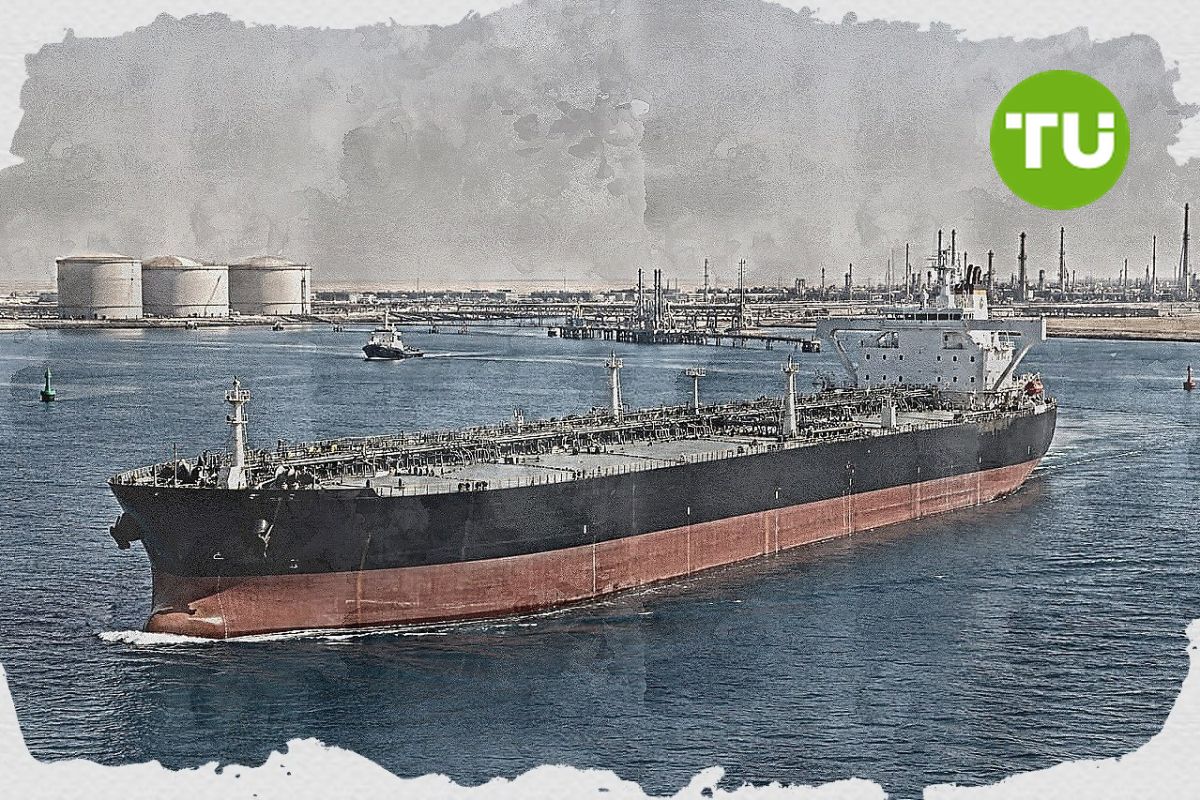
Oil prices fell Monday as traders looked past a weekend of U.S.-Iran military exchanges and focused on the partial recovery of shipping through the Strait of Hormuz. The decline showed that the market remains concerned about security risks, but is not yet pricing in a full disruption to Middle East crude flows.
Highlights
- Brent declined 0.98% to $72.89 a barrel.
- The U.S. and Iran agreed to pause hostilities after weekend strikes.
- Commercial traffic through Hormuz has resumed but remains below normal.
- Traders are balancing supply recovery against renewed security risks.
Prices retreat after a brief risk rally
West Texas Intermediate (WTI) crude fell 0.85% to $69.65 a barrel, while Brent declined 0.98% to $72.89 a barrel, according to market data updated at 09:04 GMT+3. The move came after oil had briefly gained on renewed fighting near the Strait of Hormuz, one of the world’s most important energy chokepoints, Bloomberg reports.
The weekend clashes followed attacks on commercial vessels in the area, including the Panamanian-flagged tanker Kiku, which was carrying more than 2 million barrels of crude, according to U.S. Central Command. The U.S. responded with strikes on Iranian military targets near the strait, while Iran said it had attacked U.S. military targets in Kuwait and Bahrain.
Despite the escalation, a U.S. official said Sunday that Washington and Tehran had agreed to pause hostilities for now and allow commercial vessels to move freely. Technical talks on a broader memorandum of understanding are expected to continue.
Hormuz flows remain the market focus
Shipping through Hormuz has resumed, though activity remains uneven. Tracking data showed several vessels moving through the waterway over the weekend, including empty very large crude carriers entering the Persian Gulf and laden tankers leaving.
That inbound traffic is important for oil producers because empty tankers are needed to load crude and help restart supply after months of disruption. During the U.S.-Iran war, traffic through the strait had collapsed to a trickle. The partial reopening has helped remove some of the risk premium that had supported oil prices earlier in the conflict.
Still, shipowners and insurers remain cautious. The Joint Maritime Information Center raised its regional threat level after recent attacks, and some vessels that had abandoned crossings have not yet made new attempts.
A fragile balance for energy markets
The price decline suggests that traders are treating the latest U.S.-Iran exchange as a contained risk rather than the start of a wider supply shock. As long as vessels continue to transit Hormuz, the market may keep removing part of the war premium from crude prices.
That balance remains fragile. Hormuz connects Gulf producers to global markets, and even a limited pullback by shipowners, insurers, or charterers could tighten supply quickly. For now, Brent below $73 and WTI below $70 show that physical flows are carrying more weight than geopolitical headlines.
Earlier, we reported that Trump says the Strait of Hormuz will remain open and toll-free.


Latest Brent News







-
 Afghanistan
-
 Albania
-
 Algeria
-
 Angola
-
 Argentina
-
 Armenia
-
 Australia
-
 Austria
-
 Azerbaijan
-
 Bahamas
-
 Bahrain
-
 Bangladesh
-
 Belarus
-
 Belgium
-
 Bolivia
-
 Botswana
-
 Brazil
-
 Brunei
-
 Bulgaria
-
 Cambodia
-
 Cameroon
-
 Canada
-
 Chile
Chile
-
 China
China
-
 Colombia
-
 Congo
Congo
-
 Costa Rica
-
 Cote d'Ivoire
-
 Croatia
-
 Cuba
Cuba
-
 Cyprus
-
 Czechia
-
 DR Congo
-
 Denmark
-
 Dominican Republic
-
 Ecuador
-
 Egypt
Egypt
-
 El Salvador
-
 Estonia
-
 Eswatini
-
 Ethiopia
-
 Finland
-
 France
-
 Georgia
-
 Germany
-
 Ghana
Ghana
-
 Greece
-
 Haiti
Haiti
-
 Hong Kong
-
 Hungary
-
 India
India
-
 Indonesia
-
 Iran, Islamic republic
-
 Iraq
Iraq
-
 Ireland
-
 Israel
-
 Italy
Italy
-
 Jamaica
-
 Japan
Japan
-
 Jordan
-
 Kazakhstan
-
 Kenya
Kenya
-
 Korea
Korea
-
 Kuwait
-
 Kyrgyzstan
-
 Laos
Laos
-
 Latvia
-
 Lebanon
-
 Lesotho
-
 Libya
Libya
-
 Lithuania
-
 Luxembourg
-
 Madagascar
-
 Malaysia
-
 Malta
Malta
-
 Mauritius
-
 Mexico
-
 Moldova
-
 Mongolia
-
 Montenegro
-
 Morocco
-
 Mozambique
-
 Myanmar
-
 Namibia
-
 Nepal
Nepal
-
 Netherlands
-
 New Zealand
-
 Nigeria
-
 North Macedonia
-
 Norway
-
 Oman
Oman
-
 Pakistan
-
 Palestine
-
 Panama
-
 Papua New Guinea
-
 Paraguay
-
 Peru
Peru
-
 Philippines
-
 Poland
-
 Portugal
-
 Puerto Rico
-
 Qatar
Qatar
-
 Reunion
-
 Romania
-
 Rwanda
-
 Saudi Arabia
-
 Serbia
-
 Singapore
-
 Slovakia
-
 Slovenia
-
 Somalia
-
 South Africa
-
 Spain
Spain
-
 Sri Lanka
-
 Sweden
-
 Switzerland
-
 Syria
Syria
-
 Taiwan
-
 Tajikistan
-
 Tanzania
-
 Thailand
-
 Trinidad and Tobago
-
 Tunisia
-
 Turkey
-
 UAE
UAE
-
 Uganda
-
 Ukraine
-
 United Kingdom
-
United States
-
 Uruguay
-
 Uzbekistan
-
 Venezuela
-
 Vietnam
-
 Yemen
Yemen
-
 Zambia
-
 Zimbabwe
- Forex
- Crypto











