

AI-driven risks threaten broader market and policy shocks

A rising cluster of technology, geopolitical and leadership risks is increasing the chance of disruptions that could hit markets, companies and governments in rapid succession. The concern centers on chain reactions, where cyber incidents, AI investment stress, war-related energy shocks and policy instability reinforce one another through 2028.
Highlights
- AI-driven cyberattacks, such as AI-detected PHP flaws that disrupted global government websites, have prompted NSA warnings and industry fears of worsening risks.
- Goldman Sachs estimates about one-third of Big Tech AI capital expenditure will be debt-financed in 2024, heightening financial fragility as seen in Meta's market volatility amid funding cost concerns.
- Projected rapid AI self-improvement and political responses, combined with potential Middle East conflict and oil near $120 a barrel, could intensify inflation, sectoral disruption, and policy volatility.
Chain-reaction risks build across AI, markets and security
As reported by Axios, the core concern is not a single crisis but a sequence of shocks that could spread faster than institutions can process them. The article argues that AI is accelerating the speed of disruption across cyber defense, financial markets and public decision-making, raising the odds of society-level instability.Among the most immediate threats is cyber risk. The text points to AI-detected flaws in PHP that knocked government websites offline worldwide and triggered a warning from the National Security Agency for organizations to patch systems immediately. It also says major banks found unauthorized AI agents inside customer accounts, while Anthropic deputy chief information security officer Jason Clinton warns threats are likely to get worse before they improve.
The article also highlights financial fragility around AI spending. It says Goldman Sachs expects about a third of Big Tech AI capital expenditure to be debt-financed this year, increasing vulnerability if sentiment weakens, borrowing costs rise or AI demand disappoints. Meta's recent market reaction is presented as an example of how even strong earnings can be overshadowed by investor concern over the cost of funding AI expansion.
Potential effects on industries, energy and policy
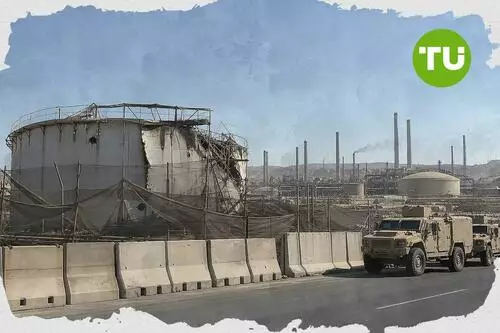
Beyond cyber and capital markets, the piece says recursive self-improvement in AI could advance faster than many expect, potentially creating sharper pressure on jobs, companies and entire sectors in 2027. That prospect could intensify political backlash and lead to calls for a slowdown or pause in AI deployment, adding another source of volatility for investors and employers.The article also ties broader instability to geopolitics and energy. It says President Donald Trump's aides believe he is likely to resume the Iran war after the election, while Iran has warned it would widen retaliation and the U.S. has reduced embassy staffing across the Middle East amid higher threats. In that scenario, tighter oil supply and already elevated fuel prices could deepen inflation and economic pain if crude remains near $120 a barrel.
A further risk flagged in the piece is presidential age and potential incapacitation, which it presents as a governance concern rather than a partisan argument. The overall conclusion is that, even if any one threat does not materialize, the combined probability of a broader crisis is rising as multiple high-impact risks converge.
In our earlier article on sovereign borrowing risks in a higher-rate environment, we noted that persistent geopolitical tensions and elevated fiscal spending are tightening governments’ financial headroom as refinancing costs stay high. We also highlighted that emerging and frontier markets are especially exposed, as energy and food price shocks linked to major conflicts can lift inflation and further strain public finances.










-
 Afghanistan
-
 Albania
-
 Algeria
-
 Angola
-
 Argentina
-
 Armenia
-
 Australia
-
 Austria
-
 Azerbaijan
-
 Bahamas
-
 Bahrain
-
 Bangladesh
-
 Belarus
-
 Belgium
-
 Bolivia
-
 Botswana
-
 Brazil
-
 Brunei
-
 Bulgaria
-
 Cambodia
-
 Cameroon
-
 Canada
-
 Chile
-
 China
-
 Colombia
-
 Congo
-
 Costa Rica
-
 Cote d'Ivoire
-
 Croatia
-
 Cuba
-
 Cyprus
-
 Czechia
-
 DR Congo
-
 Denmark
-
 Dominican Republic
-
 Ecuador
-
 Egypt
-
 El Salvador
-
 Estonia
-
 Eswatini
-
 Ethiopia
-
 Finland
-
 France
-
 Georgia
-
 Germany
-
 Ghana
-
 Greece
-
 Haiti
-
 Hong Kong
-
 Hungary
-
 India
-
 Indonesia
-
 Iran, Islamic republic
-
 Iraq
-
 Ireland
-
 Israel
-
 Italy
-
 Jamaica
-
 Japan
-
 Jordan
-
 Kazakhstan
-
 Kenya
-
 Korea
-
 Kuwait
-
 Kyrgyzstan
-
 Laos
-
 Latvia
-
 Lebanon
-
 Lesotho
-
 Libya
-
 Lithuania
-
 Luxembourg
-
 Madagascar
-
 Malaysia
-
 Malta
-
 Mauritius
-
 Mexico
-
 Moldova
-
 Mongolia
-
 Montenegro
-
 Morocco
-
 Mozambique
-
 Myanmar
-
 Namibia
-
 Nepal
-
 Netherlands
-
 New Zealand
-
 Nigeria
-
 North Macedonia
-
 Norway
-
 Oman
-
 Pakistan
-
 Palestine
-
 Panama
-
 Papua New Guinea
-
 Paraguay
-
 Peru
-
 Philippines
-
 Poland
-
 Portugal
-
 Puerto Rico
-
 Qatar
-
 Reunion
-
 Romania
-
 Rwanda
-
 Saudi Arabia
-
 Serbia
-
 Singapore
-
 Slovakia
-
 Slovenia
-
 Somalia
-
 South Africa
-
 Spain
-
 Sri Lanka
-
 Sweden
-
 Switzerland
-
 Syria
-
 Taiwan
-
 Tajikistan
-
 Tanzania
-
 Thailand
-
 Trinidad and Tobago
-
 Tunisia
-
 Turkey
-
 UAE
-
 Uganda
-
 Ukraine
-
 United Kingdom
-
United States
-
 Uruguay
-
 Uzbekistan
-
 Venezuela
-
 Vietnam
-
 Yemen
-
 Zambia
-
 Zimbabwe
- Forex
- Crypto












