


Nigeria is preparing to release grain stocks held under the Bank of Agriculture's Guaranteed Minimum Price programme as it tries to contain pressure on food costs. The move is part of a broader effort to raise supply, lower farm input costs and support production while food inflation remains elevated from a year earlier.
Highlights
- Government will imminently release grain stocks bought under the Guaranteed Minimum Price programme to stabilise food prices and support farmers' incomes.
- Plans include distributing three million bags of fertiliser within the next month under the Presidential Fertiliser Initiative to lower production costs and boost supply.
- Food inflation eased to 19.13% in October from 19.59% in September, with the grain release and expanded farm credit expected to sustain monthly price declines.
Grain stocks and fertiliser plan
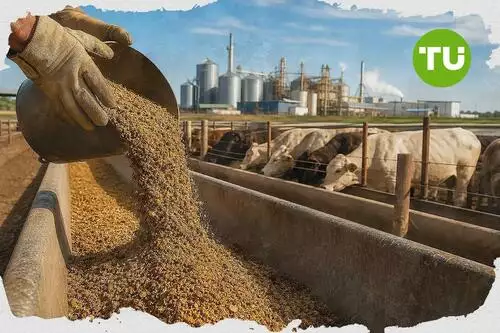
As reported by Businessday, Agriculture and Food Security Minister Abubakar Kyari says the government will soon release crops bought and stored under the Guaranteed Minimum Price programme to help stabilise market prices. He announces the plan in Abuja during the presentation of the 2026 Wet Season Agricultural Performance Survey Report, saying the measure is meant to steady food prices while protecting farmers' incomes.Kyari says the government will later announce how the commodities will be distributed, but he does not specify the volume of grain in storage or the exact release date. Under the programme, the government buys crops from farmers at a floor price and stores them, creating both a guaranteed outlet for producers and a buffer stock that can be used when prices rise too quickly.
The government is also preparing to distribute three million bags of fertiliser within the next month to reduce production costs and improve food supply. Kyari says the Presidential Fertiliser Initiative is getting ready for the release after an intervention announced by Vice President Kashim Shettima, and adds that lower input costs should encourage farmers to plant more.
Food inflation trend and farm finance support
Kyari says higher output, expanded farmland and better access to inputs should continue to ease pressure on food prices. He points to year-on-year price declines in some products, especially maize and dairy, as signs that supply-side measures are beginning to have an effect.National Bureau of Statistics data show a mixed inflation picture. Food inflation stands at 19.13% in October, down from 19.59% in September but above 16.30% in October 2025, while average food prices fall 0.75% month on month after a larger 1.55% decline in September.
The planned grain release is intended to sustain that downward movement in monthly prices by adding supply to the market. Kyari also points to the National Agricultural Development Fund and the recapitalisation of the Bank of Agriculture as measures designed to improve farmers' access to credit, support output growth and reinforce the government's price-stabilisation strategy.
Earlier, we discussed Moody's outlook on U.S. growth stagnation as inflation and tighter monetary policy squeezed households.






Latest Food Industry News



-
 Afghanistan
-
 Albania
-
 Algeria
-
 Angola
-
 Argentina
-
 Armenia
-
 Australia
-
 Austria
-
 Azerbaijan
-
 Bahamas
-
 Bahrain
-
 Bangladesh
-
 Belarus
-
 Belgium
-
 Bolivia
-
 Botswana
-
 Brazil
-
 Brunei
-
 Bulgaria
-
 Cambodia
-
 Cameroon
-
 Canada
-
 Chile
-
 China
-
 Colombia
-
 Congo
-
 Costa Rica
-
 Cote d'Ivoire
-
 Croatia
-
 Cuba
-
 Cyprus
-
 Czechia
-
 DR Congo
-
 Denmark
-
 Dominican Republic
-
 Ecuador
-
 Egypt
-
 El Salvador
-
 Estonia
-
 Eswatini
-
 Ethiopia
-
 Finland
-
 France
-
 Georgia
-
 Germany
-
 Ghana
-
 Greece
-
 Haiti
-
 Hong Kong
-
 Hungary
-
 India
-
 Indonesia
-
 Iran, Islamic republic
-
 Iraq
-
 Ireland
-
 Israel
-
 Italy
-
 Jamaica
-
 Japan
-
 Jordan
-
 Kazakhstan
-
 Kenya
-
 Korea
-
 Kuwait
-
 Kyrgyzstan
-
 Laos
-
 Latvia
-
 Lebanon
-
 Lesotho
-
 Libya
-
 Lithuania
-
 Luxembourg
-
 Madagascar
-
 Malaysia
-
 Malta
-
 Mauritius
-
 Mexico
-
 Moldova
-
 Mongolia
-
 Montenegro
-
 Morocco
-
 Mozambique
-
 Myanmar
-
 Namibia
-
 Nepal
-
 Netherlands
-
 New Zealand
-
 Nigeria
-
 North Macedonia
-
 Norway
-
 Oman
-
 Pakistan
-
 Palestine
-
 Panama
-
 Papua New Guinea
-
 Paraguay
-
 Peru
-
 Philippines
-
 Poland
-
 Portugal
-
 Puerto Rico
-
 Qatar
-
 Reunion
-
 Romania
-
 Rwanda
-
 Saudi Arabia
-
 Serbia
-
 Singapore
-
 Slovakia
-
 Slovenia
-
 Somalia
-
 South Africa
-
 Spain
-
 Sri Lanka
-
 Sweden
-
 Switzerland
-
 Syria
-
 Taiwan
-
 Tajikistan
-
 Tanzania
-
 Thailand
-
 Trinidad and Tobago
-
 Tunisia
-
 Turkey
-
 UAE
-
 Uganda
-
 Ukraine
-
 United Kingdom
-
United States
-
 Uruguay
-
 Uzbekistan
-
 Venezuela
-
 Vietnam
-
 Yemen
-
 Zambia
-
 Zimbabwe
- Forex
- Crypto












