

Mier forecasts Malaysia's economic growth at 5.0%-5.5% in 2026, assesses tariff impact

Malaysia's growth outlook for 2026 remains supported by external demand and the implementation of approved investment projects, although economic momentum is expected to moderate in the fourth quarter of this year. Mier expects fourth-quarter growth of 4.5% to 5.0%, down from 5.5% in the third quarter, while assessing how proposed new U.S. tariffs could affect the country's exports.
Highlights
- Mier forecasts Malaysia's economy to grow by 5.0% to 5.5% in 2026, above the 4.8%-5.3% range projected by Bank Negara Malaysia and the Ministry of Finance.
- The proposed additional tariffs of up to 18% on Malaysian goods under Section 301 of the U.S. Trade Act of 1974 are creating uncertainty for the country's exports and economic growth.
- Malaysia's GDP growth in 2027 is forecast at 4.2%-5.2%, driven by the implementation of investment projects, semiconductor demand and tourism, but remains exposed to risks from the West Asia conflict and U.S. tariffs.
This article was translated from the original. Read the original version by our correspondent here.
2026 forecast and trade risks
As reported by The Edge Malaysia, the Malaysian Institute of Economic Research, or Mier, forecasts Malaysia's economy to grow by between 5.0% and 5.5% in 2026, compared with the 4.8% to 5.3% range projected by Bank Negara Malaysia and the Ministry of Finance.Mier executive director Tan Sri Sulaiman Mahbob said the institute would assess how the latest U.S. tariff proposals could affect Malaysia's exports and economic growth. He said it was still too early to quantify the impact, and that Mier would conduct modelling to assess how the proposed measures could affect demand for Malaysian exports.
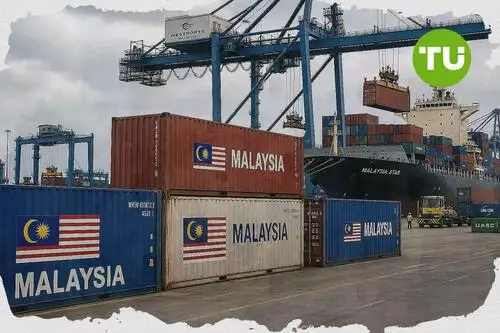
The U.S. has reportedly proposed additional tariffs of up to 18% on Malaysian goods under Section 301 of the U.S. Trade Act of 1974. Malaysia is among 14 economies covered by the proposal.
Growth drivers and 2027 outlook
Malaysia's gross domestic product grew by 5.4% in the first quarter and 6.0% in the second quarter, before moderating to 5.5% in the third quarter. Sulaiman said third-quarter growth was supported by the manufacturing, construction and services sectors, while demand for electrical and electronic products related to artificial intelligence helped boost exports.Looking ahead, he said Malaysia's economy could grow by between 4.2% and 5.2% in 2027, supported by the implementation of approved investment projects, sustained demand for semiconductors and tourism activity. Risks to this outlook include the duration of the West Asia conflict and uncertainty surrounding the proposed U.S. tariffs.
We have also looked at how Malaysia's record exports in October were driven by E&E shipments amid semiconductor and AI demand.






Latest Tariffs News



-
 Afghanistan
-
 Albania
-
 Algeria
-
 Angola
-
 Argentina
-
 Armenia
-
 Australia
-
 Austria
-
 Azerbaijan
-
 Bahamas
-
 Bahrain
-
 Bangladesh
-
 Belarus
-
 Belgium
-
 Bolivia
-
 Botswana
-
 Brazil
-
 Brunei
-
 Bulgaria
-
 Cambodia
-
 Cameroon
-
 Canada
-
 Chile
-
 China
-
 Colombia
-
 Congo
-
 Costa Rica
-
 Cote d'Ivoire
-
 Croatia
-
 Cuba
-
 Cyprus
-
 Czechia
-
 DR Congo
-
 Denmark
-
 Dominican Republic
-
 Ecuador
-
 Egypt
-
 El Salvador
-
 Estonia
-
 Eswatini
-
 Ethiopia
-
 Finland
-
 France
-
 Georgia
-
 Germany
-
 Ghana
-
 Greece
-
 Haiti
-
 Hong Kong
-
 Hungary
-
 India
-
 Indonesia
-
 Iran, Islamic republic
-
 Iraq
-
 Ireland
-
 Israel
-
 Italy
-
 Jamaica
-
 Japan
-
 Jordan
-
 Kazakhstan
-
 Kenya
-
 Korea
-
 Kuwait
-
 Kyrgyzstan
-
 Laos
-
 Latvia
-
 Lebanon
-
 Lesotho
-
 Libya
-
 Lithuania
-
 Luxembourg
-
 Madagascar
-
 Malaysia
-
 Malta
-
 Mauritius
-
 Mexico
-
 Moldova
-
 Mongolia
-
 Montenegro
-
 Morocco
-
 Mozambique
-
 Myanmar
-
 Namibia
-
 Nepal
-
 Netherlands
-
 New Zealand
-
 Nigeria
-
 North Macedonia
-
 Norway
-
 Oman
-
 Pakistan
-
 Palestine
-
 Panama
-
 Papua New Guinea
-
 Paraguay
-
 Peru
-
 Philippines
-
 Poland
-
 Portugal
-
 Puerto Rico
-
 Qatar
-
 Reunion
-
 Romania
-
 Rwanda
-
 Saudi Arabia
-
 Serbia
-
 Singapore
-
 Slovakia
-
 Slovenia
-
 Somalia
-
 South Africa
-
 Spain
-
 Sri Lanka
-
 Sweden
-
 Switzerland
-
 Syria
-
 Taiwan
-
 Tajikistan
-
 Tanzania
-
 Thailand
-
 Trinidad and Tobago
-
 Tunisia
-
 Turkey
-
 UAE
-
 Uganda
-
 Ukraine
-
 United Kingdom
-
United States
-
 Uruguay
-
 Uzbekistan
-
 Venezuela
-
 Vietnam
-
 Yemen
-
 Zambia
-
 Zimbabwe
- Forex
- Crypto












