

Houthi attacks on Saudi ports threaten global maritime trade

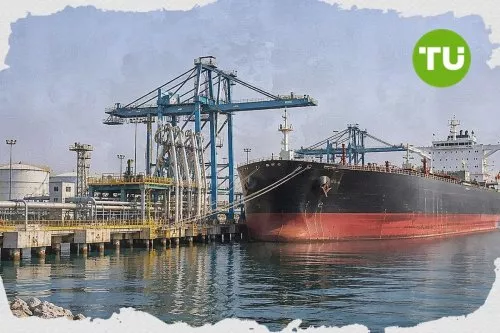
Yemen’s Houthis launched retaliatory attacks on Saudi Arabia’s Red Sea ports of Jeddah and Jazan on Wednesday, widening a conflict that has increasingly threatened the kingdom’s commercial infrastructure. The strikes have raised concerns about the safety of shipping along a major maritime corridor connecting Asia, Europe, and the Middle East.
Highlights
- Houthis target Saudi Red Sea ports of Jeddah and Jazan.
- Red Sea hostilities threaten international shipping.
- Bab el-Mandeb tensions raise maritime security risks.
According to Bloomberg, Saudi-led coalition spokesman Turki al-Maliki reported minor damage at Jazan port and no civilian injuries. Saudi authorities also reported intercepting a drone near Jeddah Islamic Port. The Houthis said the attacks were in retaliation for Saudi military operations against the Yemeni port of Hodeida.
Red Sea shipping faces growing security risks
Jeddah Islamic Port is Saudi Arabia’s largest port and a major commercial gateway for the kingdom’s imports and exports. The attacks have exposed the vulnerability of maritime infrastructure along the country’s western coastline, while fighting near the Bab el-Mandeb Strait poses additional risks to international shipping.
The waterway connects the Red Sea with the Gulf of Aden and provides access to the Suez Canal, making it a vital passage for container ships and energy shipments between Asia and Europe. Saudi-led coalition forces have intensified military operations in recent weeks amid Houthi territorial gains in the surrounding region.
Further hostilities could drive up maritime insurance premiums, increase freight costs, and encourage shipping companies to divert vessels around southern Africa, extending delivery times and increasing operating expenses.
Saudi Arabia faces mounting economic costs
The conflict, which resumed in July after a four-year lull, has also affected Saudi energy facilities, airports, and financial districts. Saudi authorities reported an attempted attack near Ras Tanura on Wednesday. The Houthis claimed they had targeted its 550,000-barrel-a-day refinery, although Saudi Arabia has not confirmed that the facility itself was targeted.
Damage sustained in October left the refinery’s main crude processing unit offline for at least a month, according to consultancy Energy Aspects. Security concerns have also prompted Saudi Arabia to postpone its flagship Future Investment Initiative conference until October 2027, complicating efforts to attract international investors.
The kingdom expects its $1.3 trillion economy to contract by 2.1% in 2026, with the fiscal deficit reaching 4.9% of GDP. Finance Minister Mohammed Al-Jadaan has downplayed the economic impact of the conflict, citing the country’s resilience.
Oil prices edge higher amid supply concerns
Oil prices rose modestly Thursday amid concerns over the security of Middle Eastern energy shipments. February Brent crude futures gained 0.09% to $90.72 a barrel, while January U.S. West Texas Intermediate (WTI) futures advanced 0.35% to $83.97.
No crude export losses have been confirmed following the latest attacks on Red Sea ports. For energy markets, the immediate concern is whether continued hostilities will disrupt tanker traffic or petroleum shipments from Saudi export terminals, increasing transportation costs and tightening global supplies.
Earlier, we reported that U.S. officials warn Iran blockade could drive premiums higher.










-
 Afghanistan
-
 Albania
-
 Algeria
-
 Angola
-
 Argentina
-
 Armenia
-
 Australia
-
 Austria
-
 Azerbaijan
-
 Bahamas
-
 Bahrain
-
 Bangladesh
-
 Belarus
-
 Belgium
-
 Bolivia
-
 Botswana
-
 Brazil
-
 Brunei
-
 Bulgaria
-
 Cambodia
-
 Cameroon
-
 Canada
-
 Chile
-
 China
-
 Colombia
-
 Congo
-
 Costa Rica
-
 Cote d'Ivoire
-
 Croatia
-
 Cuba
-
 Cyprus
-
 Czechia
-
 DR Congo
-
 Denmark
-
 Dominican Republic
-
 Ecuador
-
 Egypt
-
 El Salvador
-
 Estonia
-
 Eswatini
-
 Ethiopia
-
 Finland
-
 France
-
 Georgia
-
 Germany
-
 Ghana
-
 Greece
-
 Haiti
-
 Hong Kong
-
 Hungary
-
 India
-
 Indonesia
-
 Iran, Islamic republic
-
 Iraq
-
 Ireland
-
 Israel
-
 Italy
-
 Jamaica
-
 Japan
-
 Jordan
-
 Kazakhstan
-
 Kenya
-
 Korea
-
 Kuwait
-
 Kyrgyzstan
-
 Laos
-
 Latvia
-
 Lebanon
-
 Lesotho
-
 Libya
-
 Lithuania
-
 Luxembourg
-
 Madagascar
-
 Malaysia
-
 Malta
-
 Mauritius
-
 Mexico
-
 Moldova
-
 Mongolia
-
 Montenegro
-
 Morocco
-
 Mozambique
-
 Myanmar
-
 Namibia
-
 Nepal
-
 Netherlands
-
 New Zealand
-
 Nigeria
-
 North Macedonia
-
 Norway
-
 Oman
-
 Pakistan
-
 Palestine
-
 Panama
-
 Papua New Guinea
-
 Paraguay
-
 Peru
-
 Philippines
-
 Poland
-
 Portugal
-
 Puerto Rico
-
 Qatar
-
 Reunion
-
 Romania
-
 Rwanda
-
 Saudi Arabia
-
 Serbia
-
 Singapore
-
 Slovakia
-
 Slovenia
-
 Somalia
-
 South Africa
-
 Spain
-
 Sri Lanka
-
 Sweden
-
 Switzerland
-
 Syria
-
 Taiwan
-
 Tajikistan
-
 Tanzania
-
 Thailand
-
 Trinidad and Tobago
-
 Tunisia
-
 Turkey
-
 UAE
-
 Uganda
-
 Ukraine
-
 United Kingdom
-
United States
-
 Uruguay
-
 Uzbekistan
-
 Venezuela
-
 Vietnam
-
 Yemen
-
 Zambia
-
 Zimbabwe
- Forex
- Crypto












