


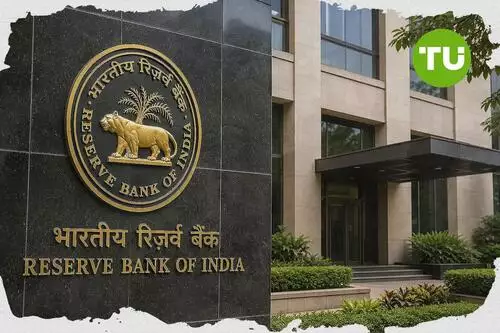
India's monetary policy stance remains steady for now, amid inflationary pressures and the need to support the post-pandemic economic recovery. Against this backdrop, the Reserve Bank of India kept the repo rate at 4.00% at its latest Monetary Policy Committee meeting, a move widely anticipated by economists.
Highlights
- The Reserve Bank of India decided to keep the repo rate unchanged at 4.00% at its latest Monetary Policy Committee meeting.
- The RBI said inflation remains a concern, but it is committed to supporting the economy with ample liquidity and low interest rates.
- Analysts expect the RBI to monitor economic indicators, and potential policy adjustments ahead could affect borrowing costs and the investment climate.
This article was translated from the original. Read the original version by our correspondent here.
Policy stance and the central bank's signal
According to information released alongside background material from ICRA, the Reserve Bank of India kept the current repo rate at 4.00% in its latest Monetary Policy Committee decision. The central bank said inflation remains a concern, but it is committed to supporting the economy through ample liquidity and low interest rates.The decision comes as policymakers seek to balance price stability with support for growth. Market analysts believe keeping rates steady reflects an effort to support economic activity and maintain relatively favorable financial conditions.
Inflation, growth and the policy outlook
Economists had anticipated the decision, saying the central bank needs to give equal attention to controlling inflation and encouraging growth. This balance remains a key determinant of the near-term monetary policy outlook.Analysts expect the RBI to keep a close watch on economic indicators and may adjust policy at upcoming meetings depending on the direction of inflation and economic growth. Policy signals may therefore continue to affect borrowing costs, liquidity in the banking sector and the broader investment climate.
Previously, we highlighted the Ministry of Finance's assessment of the RBI's active role in Liquidity management to control inflation.






Latest India News




-
 Afghanistan
-
 Albania
-
 Algeria
-
 Angola
-
 Argentina
-
 Armenia
-
 Australia
-
 Austria
-
 Azerbaijan
-
 Bahamas
-
 Bahrain
-
 Bangladesh
-
 Belarus
-
 Belgium
-
 Bolivia
-
 Botswana
-
 Brazil
-
 Brunei
-
 Bulgaria
-
 Cambodia
-
 Cameroon
-
 Canada
-
 Chile
-
 China
-
 Colombia
-
 Congo
-
 Costa Rica
-
 Cote d'Ivoire
-
 Croatia
-
 Cuba
-
 Cyprus
-
 Czechia
-
 DR Congo
-
 Denmark
-
 Dominican Republic
-
 Ecuador
-
 Egypt
-
 El Salvador
-
 Estonia
-
 Eswatini
-
 Ethiopia
-
 Finland
-
 France
-
 Georgia
-
 Germany
-
 Ghana
-
 Greece
-
 Haiti
-
 Hong Kong
-
 Hungary
-
 India
-
 Indonesia
-
 Iran, Islamic republic
-
 Iraq
-
 Ireland
-
 Israel
-
 Italy
-
 Jamaica
-
 Japan
-
 Jordan
-
 Kazakhstan
-
 Kenya
-
 Korea
-
 Kuwait
-
 Kyrgyzstan
-
 Laos
-
 Latvia
-
 Lebanon
-
 Lesotho
-
 Libya
-
 Lithuania
-
 Luxembourg
-
 Madagascar
-
 Malaysia
-
 Malta
-
 Mauritius
-
 Mexico
-
 Moldova
-
 Mongolia
-
 Montenegro
-
 Morocco
-
 Mozambique
-
 Myanmar
-
 Namibia
-
 Nepal
-
 Netherlands
-
 New Zealand
-
 Nigeria
-
 North Macedonia
-
 Norway
-
 Oman
-
 Pakistan
-
 Palestine
-
 Panama
-
 Papua New Guinea
-
 Paraguay
-
 Peru
-
 Philippines
-
 Poland
-
 Portugal
-
 Puerto Rico
-
 Qatar
-
 Reunion
-
 Romania
-
 Rwanda
-
 Saudi Arabia
-
 Serbia
-
 Singapore
-
 Slovakia
-
 Slovenia
-
 Somalia
-
 South Africa
-
 Spain
-
 Sri Lanka
-
 Sweden
-
 Switzerland
-
 Syria
-
 Taiwan
-
 Tajikistan
-
 Tanzania
-
 Thailand
-
 Trinidad and Tobago
-
 Tunisia
-
 Turkey
-
 UAE
-
 Uganda
-
 Ukraine
-
 United Kingdom
-
United States
-
 Uruguay
-
 Uzbekistan
-
 Venezuela
-
 Vietnam
-
 Yemen
-
 Zambia
-
 Zimbabwe
- Forex
- Crypto












