The tweet was deleted by the author.
But we saved everything 🙂.

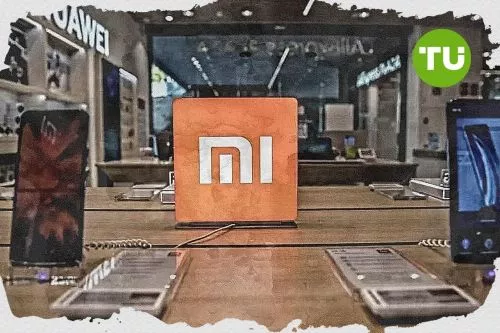
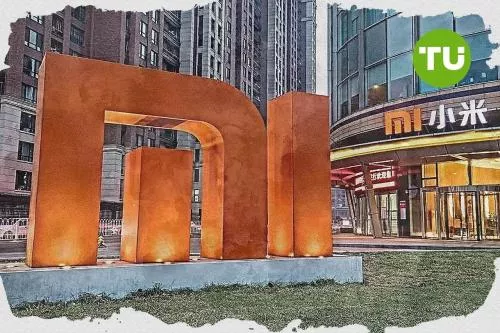
Xiaomi is set to add a crypto wallet based on the Sei blockchain to millions of its smartphones. Users will gain simplified access to crypto payments, dApps, and stablecoins. But will Sei become infrastructure for everyday payments — or is this just the first step toward a much larger market transformation?
Sei Labs has reached an agreement with smartphone manufacturer Xiaomi to pre-install a new crypto wallet and a crypto discovery app on devices sold outside China and the United States. The rollout will start in Europe, Latin America, Southeast Asia, and Africa — regions where Xiaomi has a large user base and where mobile payments are already part of everyday life.
The idea behind the product is to make entering crypto as simple as possible: users can log in via Google ID or Xiaomi ID, without separate registration, and use a wallet with enhanced security. The app is designed around basic, practical use cases — access to popular crypto applications, peer-to-peer transfers, and payments to merchants.
At the same time, Sei is launching a $5 million program to support mobile projects that bring blockchain features into everyday apps. The plans go even further: the companies want to introduce stablecoin payments (such as USDC) across Xiaomi’s retail and online channels, allowing customers to pay for devices — including smartphones and electric vehicles — with crypto. The first pilots are planned for Hong Kong and the EU and are expected to launch by mid-2026.
Before answering why Xiaomi chose Sei, it’s worth understanding what kind of project it is. Sei Network is a layer-1 blockchain — a standalone network with its own rules, similar to Ethereum or Solana. Built on the Cosmos tech stack, it was designed from the ground up for applications where speed and low fees matter most, such as trading platforms and high-activity services. In simple terms, Sei aims to be “fast rails” for Web3 applications, so transfers and transactions don’t turn into long waits with high costs.
One of Sei’s key features is that parts of the trading infrastructure are built directly into the network. The team emphasizes parallel transaction processing, faster order matching, and protection against certain types of manipulation. On paper, this translates into very high performance — up to 20,000 transactions per second — which is why Sei positions itself as one of the fastest blockchains on the market.
The mainnet launched in August 2023, making the project relatively young. Its rapid rise is largely driven by a mix of technology and capital: Sei Labs has raised tens of millions of dollars in venture funding and announced a $120 million ecosystem fund to support application growth and liquidity. This quickly attracted market attention — in March, World Liberty Financial spent $100,000 to buy SEI tokens, and in August, MetaMask added support for Sei, opening the network to the wallet’s massive user base.
This naturally raises the question: why did Xiaomi decide to enter the crypto space at all? The answer is straightforward — interest in digital assets has been growing rapidly in recent years, and a company of Xiaomi’s scale can’t ignore a global trend like that.
For a smartphone manufacturer, this is also a clear signal: if part of the audience already stores crypto, sends money, and pays online using digital assets, it makes sense to integrate these functions directly into the device and make them as simple as possible. In this model, blockchain is not a buzzword but another layer of financial services within Xiaomi’s broader ecosystem.
Xiaomi is not alone in moving in this direction. Samsung has been developing built-in blockchain features in its Galaxy smartphones for years, including its own crypto wallet and direct access to Web3 services. There have also been more niche experiments, such as the HTC Exodus — a smartphone focused on crypto wallets and digital asset management. A separate category includes dedicated Web3 devices like Solana Mobile smartphones, built specifically around decentralized application ecosystems.
If Xiaomi follows through and delivers true “one-click” crypto payments, the market could see a rare shift for the crypto industry: the crypto wallet would stop being a separate tool for enthusiasts and instead become a standard smartphone feature. Pre-installation removes one of the biggest entry barriers, while a focus on stablecoins makes the use case easier to understand — paying with “digital dollars” feels safer and more familiar than using volatile assets.
That said, much depends on execution: how smooth the user experience will be, how security and regulatory compliance are handled across different regions, and whether merchants and users see real value rather than another tech checkbox. If pilots in the EU and Hong Kong succeed, Sei could become everyday payment infrastructure within Xiaomi’s ecosystem — and at that point, the story would be less about crypto hype and more about a new normal in mobile finance.

 Afghanistan
 Albania
 Algeria
 Angola
 Argentina
 Armenia
 Australia
 Austria
 Azerbaijan
 Bahamas
 Bahrain
 Bangladesh
 Belarus
 Belgium
 Bolivia
 Botswana
 Brazil
 Brunei
 Bulgaria
 Cambodia
 Cameroon
 Canada
 Chile
Chile
 China
China
 Colombia
 Congo
Congo
 Costa Rica
 Cote d'Ivoire
 Croatia
 Cuba
Cuba
 Cyprus
 Czechia
 DR Congo
 Denmark
 Dominican Republic
 Ecuador
 Egypt
Egypt
 El Salvador
 Estonia
 Eswatini
 Ethiopia
 Finland
 France
 Georgia
 Germany
 Ghana
Ghana
 Greece
 Haiti
Haiti
 Hong Kong
 Hungary
 India
India
 Indonesia
 Iran, Islamic republic
 Iraq
Iraq
 Ireland
 Israel
 Italy
Italy
 Jamaica
 Japan
Japan
 Jordan
 Kazakhstan
 Kenya
Kenya
 Korea
Korea
 Kuwait
 Kyrgyzstan
 Laos
Laos
 Latvia
 Lebanon
 Lesotho
 Libya
Libya
 Lithuania
 Luxembourg
 Madagascar
 Malaysia
 Malta
Malta
 Mauritius
 Mexico
 Moldova
 Mongolia
 Montenegro
 Morocco
 Mozambique
 Myanmar
 Namibia
 Nepal
Nepal
 Netherlands
 New Zealand
 Nigeria
 North Macedonia
 Norway
 Oman
Oman
 Pakistan
 Palestine
 Panama
 Papua New Guinea
 Paraguay
 Peru
Peru
 Philippines
 Poland
 Portugal
 Puerto Rico
 Qatar
Qatar
 Reunion
 Romania
 Rwanda
 Saudi Arabia
 Serbia
 Singapore
 Slovakia
 Slovenia
 Somalia
 South Africa
 Spain
Spain
 Sri Lanka
 Sweden
 Switzerland
 Syria
Syria
 Taiwan
 Tajikistan
 Tanzania
 Thailand
 Trinidad and Tobago
 Tunisia
 Turkey
 UAE
UAE
 Uganda
 Ukraine
 United Kingdom
United States
United Kingdom
United States
 Uruguay
 Uzbekistan
 Venezuela
 Vietnam
 Yemen
Yemen
 Zambia
 Zimbabwe