
The FTX collapse on Netflix: How cinema reshapes perceptions of financial crime
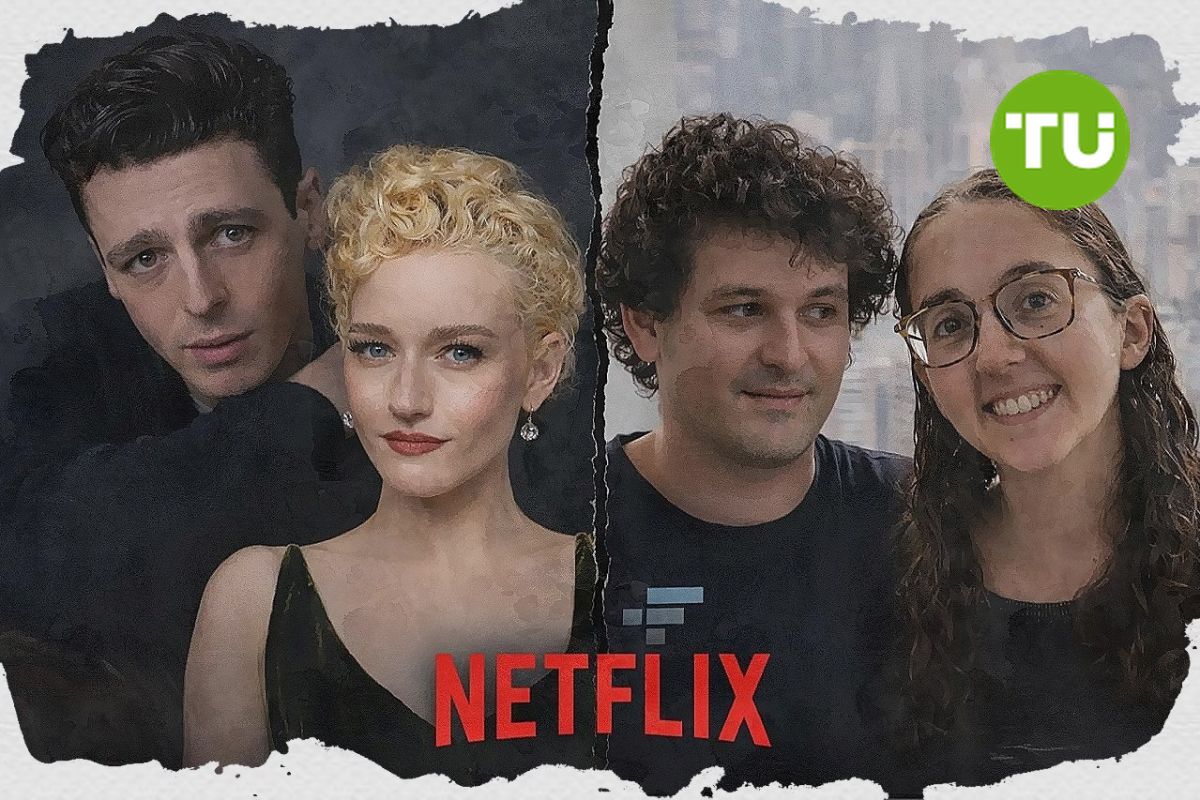
The collapse of crypto exchange FTX and the theft of billions of dollars will soon become the basis for a glossy Netflix series. While the real victims of this high-profile fraud are still trying to recover their savings, Hollywood is preparing yet another story about “idealists” who simply made mistakes. Let us examine why popular culture romanticizes financial crimes — and how not to become hostage to a beautiful lie.
A digital catastrophe with a glossy finish
The scale of the FTX collapse is unparalleled in the modern digital economy, as billions in customer funds disappeared into a “black hole” between the exchange and its affiliated hedge fund, Alameda Research. Yet for popular culture, this financial tragedy looks above all like a perfect ready-made script. Back in 2025, Netflix officially greenlit an eight-episode drama titled The Altruists.
Interest in the project flared up again when the cast was announced: Anthony Boyle was chosen to play exchange founder Sam Bankman-Fried, while his closest associate and Alameda Research CEO Caroline Ellison will be portrayed by three-time Emmy winner Julia Garner. The ensemble also includes Chernobyl star Stellan Skarsgard, Stranger Things actor David Harbour, and Golden Globe winner Paul Walter Hauser. The project is being overseen by the Obamas’ production company Higher Ground, and the caliber of the names involved only confirms one thing: FTX is being positioned as one of the season’s marquee hits.
Yet behind this constellation of star names and the anticipation of a prestige drama lies the central challenge: will real accountability dissolve into an engaging plot? Troubling signs are already visible at the announcement stage, in the very tone of the storytelling, which shifts the focus from calculated fraud to the romanticized drama of two young people who merely “got lost” in their own ambitions.
The official description of the series paints a portrait of hyper-intelligent idealists whose ambitions and emotions became the catalyst for crime. This is a classic device of romantic fatalism, transforming plain fraud into something closer to Shakespearean tragedy. A similar strategy of aestheticizing failure is also used by influential media outlets, including Vanity Fair. In its analysis of the crypto industry, the magazine effectively places it beyond the realm of financial regulation, describing the community as “the world’s most expensive religion.” Such an approach automatically removes part of the rational responsibility from its players: believers are expected to make mistakes, and fanatical devotion to “prophets” like Sam Bankman-Fried begins to look, in the public eye, more like an existential drama than a criminal offense.
When journalism or film focuses on a hero’s intellectual eccentricities — his love of video games during meetings, for example, or his devotion to the idea of “effective altruism” — it creates a powerful kind of white noise. In that informational hum, the essential fact is lost: a banal breach of fiduciary duty and a complete absence of internal controls. The visual language of glossy magazines and cinema screens casts fraudsters as martyrs or revolutionaries who lost to the system. On the one hand, such a strategy is effective in making a series appealing to audiences. On the other hand, it creates a dangerous precedent in which financial crime ceases to be perceived as crime at all, becoming instead part of a complicated yet alluring trajectory of success.
Why viewers are ready to forgive billion-dollar theft
Our fascination with financial fraudsters on screen is not a Netflix invention but a stable cultural pattern — one that often ignores the real pain beyond the frame. One of the loudest voices against this romanticization has been Christina McDowell, whose life was destroyed by the real scheme behind The Wolf of Wall Street. She is the daughter of Tom Prousalis, Jordan Belfort’s right-hand man, whose misconduct Martin Scorsese turned into a cult film.
While audiences were captivated by the charisma of the main characters, 18-year-old Christina was living through her father’s arrest and a horrifying discovery: for years, he had used her name and credit history to launder money. She was left homeless and burdened with massive debt, becoming a living illustration of the fact that behind every “beautiful” adventure stand broken lives — not only those of the fraudsters’ direct victims, but also of the people closest to them.
In her widely discussed open letter to LA Weekly, McDowell accused Hollywood of fueling a national obsession with psychopathic behavior. When cinema focuses on the “advantages” of the experience—the parties, the luxury, the intellectual dominance—it effectively sides with the criminal, excluding the real people whose lives were trampled in the process.
Psychologists explain our sympathy for such characters through the phenomenon of the “mirror of ambition.” The viewer subconsciously identifies not with the anonymous defrauded investor, but with the charismatic player who boldly challenged the system. Researchers of financial crime such as Marti DeLiema, Martha Deevy, and Olivia Mitchell point to a dangerous trend: victims of fraud often conceal their experience because of deep social shame. One reason lies in pop culture, which for decades has built a false dichotomy in which the scammer appears as an “intellectual predator” and charismatic operator, while the deceived investor is reduced to a “naive loser.” In the world of glossy screen adaptations, a large-scale fraud is therefore perceived as a sign of exceptional intelligence, while victimhood becomes synonymous with weakness.
Contemporary dramas such as The Dropout about Elizabeth Holmes, or the upcoming The Altruists about FTX, use an even subtler device: they replace dry financial reporting with intimate vulnerability. When we see Holmes as a woman struggling against the patriarchal world of startups, or Sam Bankman-Fried as an awkward young man in a wrinkled T-shirt, our empathy automatically shifts from numbers to emotions. This creates the dangerous illusion that a large-scale crime was merely the side effect of a grand dream or a personal tragedy. In this way, media do not simply reconstruct events — they construct a new memory in which moral responsibility dissolves into the aesthetics of the frame, while real losses become little more than scenery for a gripping story.
The real lessons of the FTX story
Despite its future Hollywood “reinvention,” the collapse of FTX remains an important lesson for investors and a reminder that the financial world does not tolerate excessive trust in personalities. When the absence of basic transparency hides behind a facade of “genius” and “altruism,” this is not a sign of eccentricity but a critical risk factor.
The story of Sam Bankman-Fried teaches us to distinguish between a media image and the real structure of a business: bold promises to change the world rarely correlate with the safety of your assets. If a company avoids independent audits, operates outside the rule of law, or builds its reputation entirely on the founder’s charisma, it is not a “revolutionary startup” but a potential financial trap.
To avoid ending up as an extra in yet another documentary series about defrauded investors, it is worth remembering the basics of financial hygiene. First, no “genius” relieves an investor of the obligation to verify the facts. Second, diversification remains one of the most reliable forms of protection against the collapse of any single company, no matter how promising it may seem. And most importantly, remember that anything that looks too good to be true usually is. A beautiful story on screen may entertain audiences, but in real life it is always paid for by those who believed in the beautiful image.
Finally, it is worth changing the very lens through which we view such events. We need to learn to see, behind these “complex protagonists,” real systemic failures and human losses. While pop culture continues to romanticize fraudsters, our responsibility as a society and as investors is to demand transparency and remain critical of every manifestation of “financial messianism.” After all, the best investment story is not the one that gets turned into a Netflix drama, but the one in which funds remain secure — protected not by a leader’s charisma, but by clear rules.


Latest Netflix News






-
 Afghanistan
-
 Albania
-
 Algeria
-
 Angola
-
 Argentina
-
 Armenia
-
 Australia
-
 Austria
-
 Azerbaijan
-
 Bahamas
-
 Bahrain
-
 Bangladesh
-
 Belarus
-
 Belgium
-
 Bolivia
-
 Botswana
-
 Brazil
-
 Brunei
-
 Bulgaria
-
 Cambodia
-
 Cameroon
-
 Canada
-
 Chile
Chile
-
 China
China
-
 Colombia
-
 Congo
Congo
-
 Costa Rica
-
 Cote d'Ivoire
-
 Croatia
-
 Cuba
Cuba
-
 Cyprus
-
 Czechia
-
 DR Congo
-
 Denmark
-
 Dominican Republic
-
 Ecuador
-
 Egypt
Egypt
-
 El Salvador
-
 Estonia
-
 Eswatini
-
 Ethiopia
-
 Finland
-
 France
-
 Georgia
-
 Germany
-
 Ghana
Ghana
-
 Greece
-
 Haiti
Haiti
-
 Hong Kong
-
 Hungary
-
 India
India
-
 Indonesia
-
 Iran, Islamic republic
-
 Iraq
Iraq
-
 Ireland
-
 Israel
-
 Italy
Italy
-
 Jamaica
-
 Japan
Japan
-
 Jordan
-
 Kazakhstan
-
 Kenya
Kenya
-
 Korea
Korea
-
 Kuwait
-
 Kyrgyzstan
-
 Laos
Laos
-
 Latvia
-
 Lebanon
-
 Lesotho
-
 Libya
Libya
-
 Lithuania
-
 Luxembourg
-
 Madagascar
-
 Malaysia
-
 Malta
Malta
-
 Mauritius
-
 Mexico
-
 Moldova
-
 Mongolia
-
 Montenegro
-
 Morocco
-
 Mozambique
-
 Myanmar
-
 Namibia
-
 Nepal
Nepal
-
 Netherlands
-
 New Zealand
-
 Nigeria
-
 North Macedonia
-
 Norway
-
 Oman
Oman
-
 Pakistan
-
 Palestine
-
 Panama
-
 Papua New Guinea
-
 Paraguay
-
 Peru
Peru
-
 Philippines
-
 Poland
-
 Portugal
-
 Puerto Rico
-
 Qatar
Qatar
-
 Reunion
-
 Romania
-
 Rwanda
-
 Saudi Arabia
-
 Serbia
-
 Singapore
-
 Slovakia
-
 Slovenia
-
 Somalia
-
 South Africa
-
 Spain
Spain
-
 Sri Lanka
-
 Sweden
-
 Switzerland
-
 Syria
Syria
-
 Taiwan
-
 Tajikistan
-
 Tanzania
-
 Thailand
-
 Trinidad and Tobago
-
 Tunisia
-
 Turkey
-
 UAE
UAE
-
 Uganda
-
 Ukraine
-
 United Kingdom
-
United States
-
 Uruguay
-
 Uzbekistan
-
 Venezuela
-
 Vietnam
-
 Yemen
Yemen
-
 Zambia
-
 Zimbabwe
- Forex
- Crypto











