
The tweet was deleted by the author.
But we saved everything 🙂.
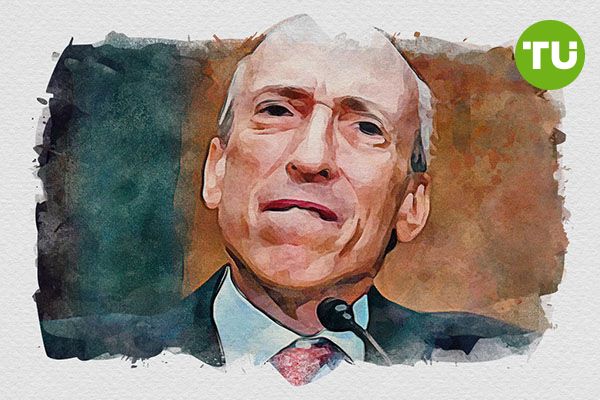
Next week, the current Chairman of the U.S. Securities and Exchange Commission (SEC), Gary Gensler, is stepping down. Over the past four years, he has been at the forefront of the "war" on digital assets, filing numerous lawsuits against crypto companies. However, there were also positive aspects to his tenure.
Economist and finance expert Gary Gensler assumed the role of SEC Chairman in April 2021. Prior to that, he spent many years at the investment bank Goldman Sachs, taught at various universities, and eventually transitioned to public service. As SEC Chair, Gensler focused on tightening oversight of the cryptocurrency industry. During his term, he initiated numerous lawsuits against major companies, including Binance and Coinbase, for alleged violations of securities laws. Throughout his tenure, he consistently criticized cryptocurrencies.
"Cryptocurrencies are a highly speculative asset class. Just look at Bitcoin’s volatility. I grew up loving roller coasters. But investors must understand that these investments are essentially a ride on an amusement park attraction," he said in one interview.
In the fall of 2024, Donald Trump won the U.S. presidential election, signaling a potential turning point for the cryptocurrency industry. During his campaign, Trump emphasized the importance of digital assets and promised to turn the U.S. into the global "crypto capital."
One of Trump’s main pledges was to dismiss Gary Gensler. Given that cryptocurrencies played a significant role in Trump’s election victory, the SEC Chair’s removal seemed inevitable. On January 20, 2025, Trump is expected to sign an executive order to formalize Gensler’s departure.
Although Gensler’s term was set to expire in 2026, he decided to step down early. On November 21, 2024, he announced via his social media account on X that he would resign.
His departure is scheduled for January 20, 2025, the day of Trump’s inauguration. Reflecting on his tenure, Gensler highlighted the steps taken under his leadership to modernize markets and adapt to new financial technologies.
Despite the crypto community’s generally negative view of Gensler, there were some “bright spots” during his tenure. Notably, he actively promoted educational initiatives to enhance public understanding of blockchain technology and cryptocurrencies.
Perhaps his most significant achievement was the SEC’s approval of 11 applications for spot Bitcoin ETFs in early 2024. This decision provided traditional investors with easy access to Bitcoin through familiar investment vehicles. As a result, Bitcoin’s price surged to $100,000.
Later, the SEC also approved spot Ethereum ETFs, and it may soon greenlight ETFs for XRP and Solana. However, despite the emergence of new crypto funds, Gensler is on the verge of losing his position, and industry participants hope they will never have to deal with him again.
At the same time, the Bitcoin community has high hopes for the new SEC Chair. Donald Trump wasted no time and officially nominated Paul Atkins as Gensler’s successor in late 2024.
“Paul is a proven leader in common-sense regulation. He believes in fostering reliable, innovative capital markets that meet investors' needs and provide the capital to make our economy the best in the world,” the president commented.
Trump praised Atkins’ deep understanding of digital assets. Atkins is a board member of the nonprofit organization The Digital Chamber, which promotes and advocates for cryptocurrencies in U.S. political circles. With his previous experience as an SEC Commissioner from 2002 to 2008, Atkins is expected to significantly ease the regulatory pressure on the crypto industry.
But why does the cryptocurrency industry care so much about the SEC, and why does this regulator wield such influence over digital assets? The SEC serves as the primary financial regulator of the world’s largest economy, working actively to define the legal status of cryptocurrencies and address associated risks.
The agency classifies many digital assets as securities, subjecting them to strict registration, reporting, and investor protection requirements. These actions create regulatory precedents and set industry standards, influencing the behavior of crypto companies and investors alike.
Regulators worldwide often look to SEC decisions as a benchmark. The Commission’s rulings frequently form the basis for national laws and regulations in other countries. Thus, the SEC’s influence, and that of its Chair, extends far beyond the U.S.
This is why Gary Gensler’s departure is so significant for the industry. While he did approve spot Bitcoin ETFs, his replacement, Paul Atkins, is expected to be far more crypto-friendly.

 Afghanistan
 Albania
 Algeria
 Angola
 Argentina
 Armenia
 Australia
 Austria
 Azerbaijan
 Bahamas
 Bahrain
 Bangladesh
 Belarus
 Belgium
 Bolivia
 Botswana
 Brazil
 Brunei
 Bulgaria
 Cambodia
 Cameroon
 Canada
 Chile
Chile
 China
China
 Colombia
 Congo
Congo
 Costa Rica
 Cote d'Ivoire
 Croatia
 Cuba
Cuba
 Cyprus
 Czechia
 DR Congo
 Denmark
 Dominican Republic
 Ecuador
 Egypt
Egypt
 El Salvador
 Estonia
 Eswatini
 Ethiopia
 Finland
 France
 Georgia
 Germany
 Ghana
Ghana
 Greece
 Haiti
Haiti
 Hong Kong
 Hungary
 India
India
 Indonesia
 Iran, Islamic republic
 Iraq
Iraq
 Ireland
 Israel
 Italy
Italy
 Jamaica
 Japan
Japan
 Jordan
 Kazakhstan
 Kenya
Kenya
 Korea
Korea
 Kuwait
 Kyrgyzstan
 Laos
Laos
 Latvia
 Lebanon
 Lesotho
 Libya
Libya
 Lithuania
 Luxembourg
 Madagascar
 Malaysia
 Malta
Malta
 Mauritius
 Mexico
 Moldova
 Mongolia
 Montenegro
 Morocco
 Mozambique
 Myanmar
 Namibia
 Nepal
Nepal
 Netherlands
 New Zealand
 Nigeria
 North Macedonia
 Norway
 Oman
Oman
 Pakistan
 Palestine
 Panama
 Papua New Guinea
 Paraguay
 Peru
Peru
 Philippines
 Poland
 Portugal
 Puerto Rico
 Qatar
Qatar
 Reunion
 Romania
 Rwanda
 Saudi Arabia
 Serbia
 Singapore
 Slovakia
 Slovenia
 Somalia
 South Africa
 Spain
Spain
 Sri Lanka
 Sweden
 Switzerland
 Syria
Syria
 Taiwan
 Tajikistan
 Tanzania
 Thailand
 Trinidad and Tobago
 Tunisia
 Turkey
 UAE
UAE
 Uganda
 Ukraine
 United Kingdom
United States
United Kingdom
United States
 Uruguay
 Uzbekistan
 Venezuela
 Vietnam
 Yemen
Yemen
 Zambia
 Zimbabwe

















