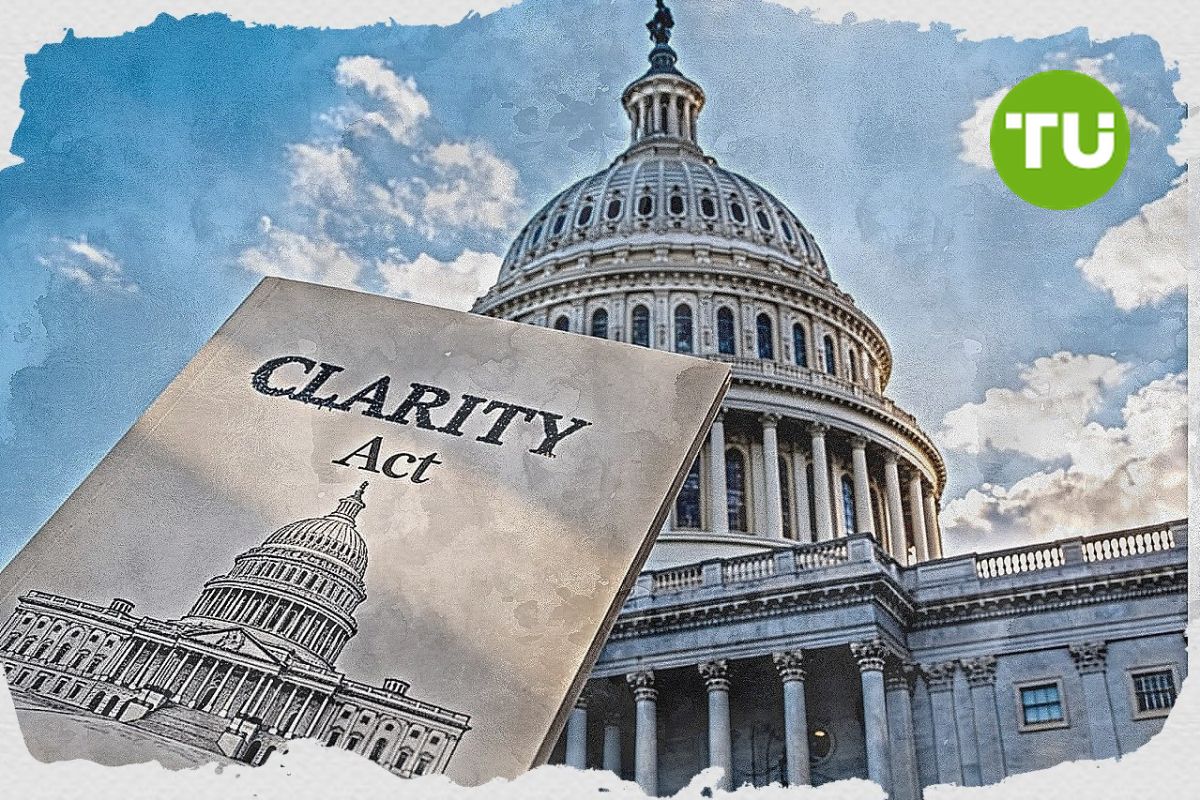
The tweet was deleted by the author.
But we saved everything 🙂.
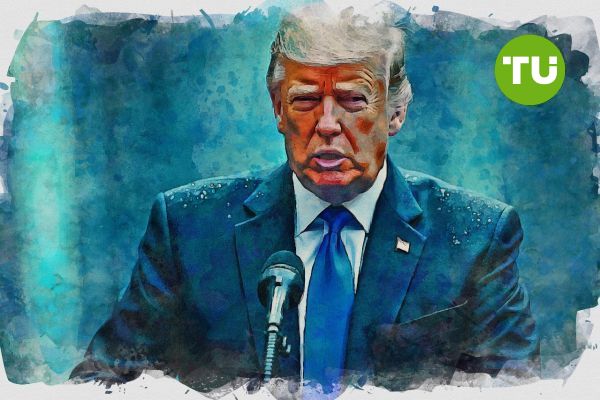
When Donald Trump returned to the Oval Office in 2025, he tried to keep the spotlight on domestic issues and international affairs. Yet, in parallel with politics, the U.S. president’s family quietly and rapidly grew its wealth—with cryptocurrencies at the core.
Trump’s relationship with crypto has been a long journey. In his first term (2017–2021), he called Bitcoin a “scam” and rejected the very idea of decentralized currencies.
But by the 2024 election campaign, his stance had completely flipped. Against the backdrop of then-President Joe Biden’s hardline policies, Trump embraced digital assets, quickly winning over an army of supporters in the crypto community. He found strong allies among enthusiasts unofficially led by Elon Musk and “crypto king” David Sacks. Even before Trump’s re-election, the community regularly launched meme coins in his honor—many of them little more than classic pump-and-dump schemes.
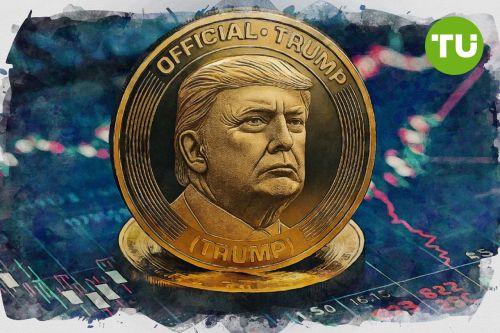
The real frenzy, however, came with the launch of the exclusive TRUMP token, just days before his January 2025 inauguration. Its market capitalization shot into the tens of billions of dollars within hours, and most of the supply ended up in wallets linked to the Trump family. The result: enormous profits from trading fees and early sales.
It was no surprise that Melania Trump soon followed with her own meme coin—MELANIA—which, like its predecessor, initially surged and then crashed.
Both projects were more political-branding tools than serious financial instruments. Still, they ignited massive market activity and even pushed Bitcoin above the $100,000 mark temporarily.
According to various estimates, these initiatives alone brought the Trump family between $3–5 billion in just a few months. For someone who had once dismissed Bitcoin as a “fraud,” the turnaround was both striking and extremely lucrative.
The next step was the large-scale World Liberty Financial (WLFI) project, created by Donald Trump Jr., Eric, and Barron Trump, with Donald himself listed as “Honorary Co-Founder.” Launched in 2025, the platform introduced its own token, a stablecoin, and a suite of DeFi products.
The project quickly grew into a multibillion-dollar enterprise, with Trump’s personal stake in WLFI surpassing much of the value of his traditional real estate holdings.
Not stopping at tokens, the family entered mining. Their company American Bitcoin merged with Gryphon Digital and debuted on the stock market with a valuation of $7.7 billion. This gave the Trumps not only crypto assets but also control of one of the largest mining companies in the country.
If this were any other family, the story might not have sparked such uproar. But the overlap of politics and private gain made the Trump crypto saga uniquely contentious.
On one hand, Trump introduced a series of pro-crypto measures: establishing a “U.S. Strategic Bitcoin Reserve” and rolling back barriers that had held back digital assets. Supporters argue that this strengthened America’s position in the global financial race.
But critics say Trump was clearing the path for his own ventures. Suspicions deepened when WLFI began receiving investments from politically sensitive regions. Watchdogs raised concerns about conflicts of interest, and receptions for crypto investors at Trump properties were cited as ethical violations. In Congress, lawmakers even discussed banning sitting politicians from launching or promoting tokens.
Both the TRUMP and MELANIA tokens became textbook cases of speculative mania. Early insiders made fortunes, while thousands of retail investors lost money as prices collapsed. Analysts compared the projects to classic “pump and dump” schemes.
Eric Trump, once in the background, emerged as the family’s most vocal crypto advocate. After claiming he had been “de-banked” in 2021 for political reasons, he rebranded himself as a champion of mining and token projects—building a reputation as both a businessman and a crypto spokesman.
Despite the criticism, the results are undeniable. WLFI is now among the world’s largest DeFi projects. American Bitcoin has become a major mining player. And the Trump and Melania tokens—despite their volatility—have cemented the family’s brand in crypto culture.
The larger question is what this means for governance. For the first time in U.S. history, a sitting president has personally profited by billions from financial instruments shaped, at least in part, by his own administration’s policies. Some see it as strategic genius. Others, as a direct threat to democracy.
Either way, one thing is clear: political capital can turn overnight into digital wealth, and the intersection of technology, markets, and power can create fortunes worth billions.



 Afghanistan
 Albania
 Algeria
 Angola
 Argentina
 Armenia
 Australia
 Austria
 Azerbaijan
 Bahamas
 Bahrain
 Bangladesh
 Belarus
 Belgium
 Bolivia
 Botswana
 Brazil
 Brunei
 Bulgaria
 Cambodia
 Cameroon
 Canada
 Chile
Chile
 China
China
 Colombia
 Congo
Congo
 Costa Rica
 Cote d'Ivoire
 Croatia
 Cuba
Cuba
 Cyprus
 Czechia
 DR Congo
 Denmark
 Dominican Republic
 Ecuador
 Egypt
Egypt
 El Salvador
 Estonia
 Eswatini
 Ethiopia
 Finland
 France
 Georgia
 Germany
 Ghana
Ghana
 Greece
 Haiti
Haiti
 Hong Kong
 Hungary
 India
India
 Indonesia
 Iran, Islamic republic
 Iraq
Iraq
 Ireland
 Israel
 Italy
Italy
 Jamaica
 Japan
Japan
 Jordan
 Kazakhstan
 Kenya
Kenya
 Korea
Korea
 Kuwait
 Kyrgyzstan
 Laos
Laos
 Latvia
 Lebanon
 Lesotho
 Libya
Libya
 Lithuania
 Luxembourg
 Madagascar
 Malaysia
 Malta
Malta
 Mauritius
 Mexico
 Moldova
 Mongolia
 Montenegro
 Morocco
 Mozambique
 Myanmar
 Namibia
 Nepal
Nepal
 Netherlands
 New Zealand
 Nigeria
 North Macedonia
 Norway
 Oman
Oman
 Pakistan
 Palestine
 Panama
 Papua New Guinea
 Paraguay
 Peru
Peru
 Philippines
 Poland
 Portugal
 Puerto Rico
 Qatar
Qatar
 Reunion
 Romania
 Rwanda
 Saudi Arabia
 Serbia
 Singapore
 Slovakia
 Slovenia
 Somalia
 South Africa
 Spain
Spain
 Sri Lanka
 Sweden
 Switzerland
 Syria
Syria
 Taiwan
 Tajikistan
 Tanzania
 Thailand
 Trinidad and Tobago
 Tunisia
 Turkey
 UAE
UAE
 Uganda
 Ukraine
 United Kingdom
United States
United Kingdom
United States
 Uruguay
 Uzbekistan
 Venezuela
 Vietnam
 Yemen
Yemen
 Zambia
 Zimbabwe