
India and EU seal landmark free trade deal after 20 years of talks
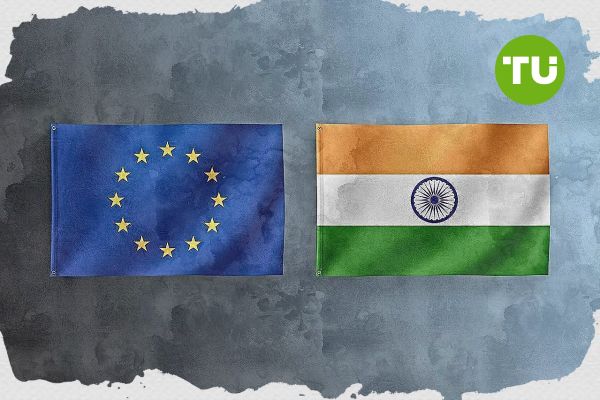
India and the European Union have finalized a landmark free trade agreement after nearly two decades of negotiations, signaling a major shift in their economic relationship.
Prime Minister Narendra Modi described the pact as the “mother of all deals,” highlighting its scale and strategic importance, reports European Commission.
Together, India and the EU represent a combined market of around 2 billion people and roughly 25% of global GDP. The agreement comes at a time when global trade is under pressure from geopolitical tensions and rising protectionism. Modi said the deal would strengthen cooperation across multiple sectors and complement India’s recent trade agreements with the UK and the European Free Trade Association. The pact also reflects a broader effort by both sides to stabilize and diversify trade ties in an increasingly fragmented global economy. For India, it represents one of the most significant trade milestones in recent history.
Key sectors and economic impact
The agreement is expected to provide tangible benefits to several Indian industries, including textiles, gems and jewelry, leather, footwear, and manufacturing. Modi emphasized that these sectors stand to gain from improved market access and reduced trade barriers. On the European side, exporters of machinery, transport equipment, and chemicals are likely to see new opportunities in India’s large and growing market.
Goods trade between India and the EU already exceeded €120 billion in 2024, making the bloc New Delhi’s largest trading partner. However, India remains only the EU’s ninth-largest trading partner, leaving room for significant expansion. The deal aims to address long-standing regulatory and tariff disputes that have limited trade growth in the past. By easing these frictions, both sides hope to unlock more balanced and sustained trade flows.
Strategic timing amid global uncertainty
For New Delhi, the timing of the agreement is particularly important as India seeks alternatives to the U.S. market following the imposition of steep American tariffs last year. India has accelerated trade negotiations globally, signing deals with countries such as the UK, Oman, and New Zealand. While experts caution that the EU agreement cannot fully replace the economic weight of the U.S. market, it offers a critical diversification channel. India’s trade surplus with the EU remains significantly smaller than with the U.S., underscoring the limits of substitution.
Still, the pact signals a pragmatic recalibration of India’s trade strategy toward multiple large partners. For the EU, the agreement aligns with its broader push for “fair trade over tariffs” and deeper partnerships beyond traditional allies. Together, the deal reflects a shared effort to strengthen economic resilience in an era of heightened global uncertainty.
Recently we wrote that China and Canada’s preliminary trade deal signals a cautious but meaningful reset after years of diplomatic fallout and tariff escalation.


Latest Finance News






-
 Afghanistan
-
 Albania
-
 Algeria
-
 Angola
-
 Argentina
-
 Armenia
-
 Australia
-
 Austria
-
 Azerbaijan
-
 Bahamas
-
 Bahrain
-
 Bangladesh
-
 Belarus
-
 Belgium
-
 Bolivia
-
 Botswana
-
 Brazil
-
 Brunei
-
 Bulgaria
-
 Cambodia
-
 Cameroon
-
 Canada
-
 Chile
Chile
-
 China
China
-
 Colombia
-
 Congo
Congo
-
 Costa Rica
-
 Cote d'Ivoire
-
 Croatia
-
 Cuba
Cuba
-
 Cyprus
-
 Czechia
-
 DR Congo
-
 Denmark
-
 Dominican Republic
-
 Ecuador
-
 Egypt
Egypt
-
 El Salvador
-
 Estonia
-
 Eswatini
-
 Ethiopia
-
 Finland
-
 France
-
 Georgia
-
 Germany
-
 Ghana
Ghana
-
 Greece
-
 Haiti
Haiti
-
 Hong Kong
-
 Hungary
-
 India
India
-
 Indonesia
-
 Iran, Islamic republic
-
 Iraq
Iraq
-
 Ireland
-
 Israel
-
 Italy
Italy
-
 Jamaica
-
 Japan
Japan
-
 Jordan
-
 Kazakhstan
-
 Kenya
Kenya
-
 Korea
Korea
-
 Kuwait
-
 Kyrgyzstan
-
 Laos
Laos
-
 Latvia
-
 Lebanon
-
 Lesotho
-
 Libya
Libya
-
 Lithuania
-
 Luxembourg
-
 Madagascar
-
 Malaysia
-
 Malta
Malta
-
 Mauritius
-
 Mexico
-
 Moldova
-
 Mongolia
-
 Montenegro
-
 Morocco
-
 Mozambique
-
 Myanmar
-
 Namibia
-
 Nepal
Nepal
-
 Netherlands
-
 New Zealand
-
 Nigeria
-
 North Macedonia
-
 Norway
-
 Oman
Oman
-
 Pakistan
-
 Palestine
-
 Panama
-
 Papua New Guinea
-
 Paraguay
-
 Peru
Peru
-
 Philippines
-
 Poland
-
 Portugal
-
 Puerto Rico
-
 Qatar
Qatar
-
 Reunion
-
 Romania
-
 Rwanda
-
 Saudi Arabia
-
 Serbia
-
 Singapore
-
 Slovakia
-
 Slovenia
-
 Somalia
-
 South Africa
-
 Spain
Spain
-
 Sri Lanka
-
 Sweden
-
 Switzerland
-
 Syria
Syria
-
 Taiwan
-
 Tajikistan
-
 Tanzania
-
 Thailand
-
 Trinidad and Tobago
-
 Tunisia
-
 Turkey
-
 UAE
UAE
-
 Uganda
-
 Ukraine
-
 United Kingdom
-
United States
-
 Uruguay
-
 Uzbekistan
-
 Venezuela
-
 Vietnam
-
 Yemen
Yemen
-
 Zambia
-
 Zimbabwe
- Forex
- Crypto











