
Tesla to retire Model S and X as Musk shifts focus to Optimus robots

Tesla will retire its Model S and Model X vehicles next quarter as it reallocates production capacity toward its Optimus humanoid robot program, CEO Elon Musk said during the company’s fourth-quarter earnings call.
The decision reflects Tesla’s broader strategic shift away from legacy vehicle lines and toward autonomy and robotics as its future growth drivers, reports Inc.
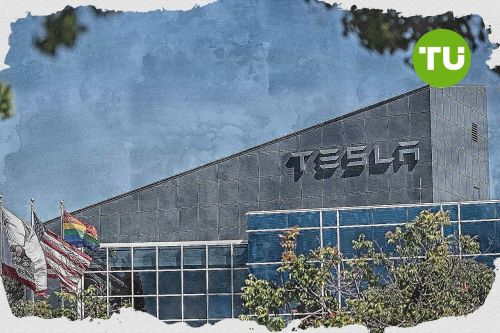
Musk said the Fremont, California, factory space currently used for Model S and X production will be repurposed for Optimus manufacturing. While production will wind down, Tesla will continue to support existing Model S and X owners for the life of their vehicles. Musk described the move as an “honorable discharge” for the two models, which were once central to Tesla’s premium lineup. He also encouraged interested buyers to place orders soon before production officially ends.
Optimus takes center stage in Tesla’s long-term vision
Optimus is a cornerstone of Musk’s ambition to transform Tesla from an electric vehicle company into a robotics and autonomy leader. Musk reiterated that he believes Optimus could ultimately account for the majority of Tesla’s long-term value, citing rapid progress in capability and design. He said the third generation of the robot is expected to debut within months, though past timelines have often slipped.
Tesla plans to eventually scale Optimus production at Fremont to as many as one million units per year. CFO Vaibhav Taneja said capital expenditures exceeding $20 billion are expected in the coming year, tied to Optimus, AI infrastructure, manufacturing expansion and the robotaxi program. These investments are also linked to Musk’s compensation plan, which depends on achieving aggressive market value milestones.
Solid earnings beat amid declining vehicle sales
Tesla’s fourth-quarter earnings topped Wall Street expectations, even as the company reported year-over-year declines in both quarterly and annual revenue. The automaker posted earnings of $0.50 per share on revenue of $24.9 billion, representing a roughly 3% annual decline. Full-year revenue fell to $94.8 billion, down 3% from 2024. Vehicle deliveries dropped sharply, with fourth-quarter deliveries down 16% year over year and full-year deliveries declining 8.6%.
The weaker sales performance reflects intensifying competition, the loss of EV tax incentives and broader pressures on the global EV market. Despite these challenges, Tesla shares rose nearly 2% in after-hours trading, suggesting investors remain focused on the company’s long-term pivot toward autonomy and robotics.
Recently we wrote that Tesla stock is trading at $442.62, up 2.7% in the last 24 hours. The price rebound came on the back of Q4 2025 earnings results that exceeded consensus estimates.





Latest Tesla News







-
 Afghanistan
-
 Albania
-
 Algeria
-
 Angola
-
 Argentina
-
 Armenia
-
 Australia
-
 Austria
-
 Azerbaijan
-
 Bahamas
-
 Bahrain
-
 Bangladesh
-
 Belarus
-
 Belgium
-
 Bolivia
-
 Botswana
-
 Brazil
-
 Brunei
-
 Bulgaria
-
 Cambodia
-
 Cameroon
-
 Canada
-
 Chile
Chile
-
 China
China
-
 Colombia
-
 Congo
Congo
-
 Costa Rica
-
 Cote d'Ivoire
-
 Croatia
-
 Cuba
Cuba
-
 Cyprus
-
 Czechia
-
 DR Congo
-
 Denmark
-
 Dominican Republic
-
 Ecuador
-
 Egypt
Egypt
-
 El Salvador
-
 Estonia
-
 Eswatini
-
 Ethiopia
-
 Finland
-
 France
-
 Georgia
-
 Germany
-
 Ghana
Ghana
-
 Greece
-
 Haiti
Haiti
-
 Hong Kong
-
 Hungary
-
 India
India
-
 Indonesia
-
 Iran, Islamic republic
-
 Iraq
Iraq
-
 Ireland
-
 Israel
-
 Italy
Italy
-
 Jamaica
-
 Japan
Japan
-
 Jordan
-
 Kazakhstan
-
 Kenya
Kenya
-
 Korea
Korea
-
 Kuwait
-
 Kyrgyzstan
-
 Laos
Laos
-
 Latvia
-
 Lebanon
-
 Lesotho
-
 Libya
Libya
-
 Lithuania
-
 Luxembourg
-
 Madagascar
-
 Malaysia
-
 Malta
Malta
-
 Mauritius
-
 Mexico
-
 Moldova
-
 Mongolia
-
 Montenegro
-
 Morocco
-
 Mozambique
-
 Myanmar
-
 Namibia
-
 Nepal
Nepal
-
 Netherlands
-
 New Zealand
-
 Nigeria
-
 North Macedonia
-
 Norway
-
 Oman
Oman
-
 Pakistan
-
 Palestine
-
 Panama
-
 Papua New Guinea
-
 Paraguay
-
 Peru
Peru
-
 Philippines
-
 Poland
-
 Portugal
-
 Puerto Rico
-
 Qatar
Qatar
-
 Reunion
-
 Romania
-
 Rwanda
-
 Saudi Arabia
-
 Serbia
-
 Singapore
-
 Slovakia
-
 Slovenia
-
 Somalia
-
 South Africa
-
 Spain
Spain
-
 Sri Lanka
-
 Sweden
-
 Switzerland
-
 Syria
Syria
-
 Taiwan
-
 Tajikistan
-
 Tanzania
-
 Thailand
-
 Trinidad and Tobago
-
 Tunisia
-
 Turkey
-
 UAE
UAE
-
 Uganda
-
 Ukraine
-
 United Kingdom
-
United States
-
 Uruguay
-
 Uzbekistan
-
 Venezuela
-
 Vietnam
-
 Yemen
Yemen
-
 Zambia
-
 Zimbabwe
- Forex
- Crypto











