
Oil holds near $100 as Iran intensifies attacks in Strait of Hormuz
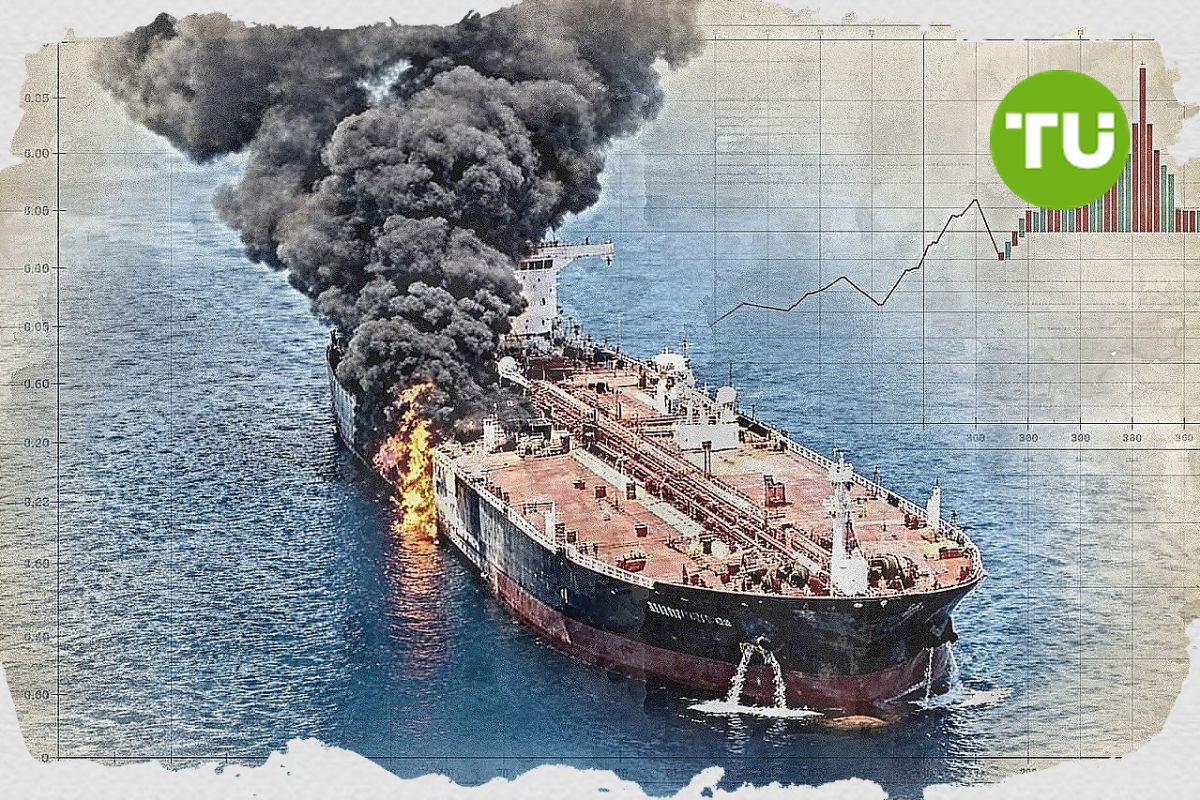
Iran continues to escalate its aggressive tactics in the Strait of Hormuz and off the coast of the United Arab Emirates, launching new attacks on foreign vessels. The latest incident occurred on the night of March 11-12, when several ships were attacked in waters near Iraq and the UAE.
Highlights
- Oil prices surge above $100: Tensions in the Strait of Hormuz have pushed oil prices to surpass $100 per barrel.
- Iran’s intensified attacks: Iran's attacks on ships in the region contribute to supply disruptions.
- Strategic reserves release: Despite historic releases of strategic oil reserves, analysts warn that these efforts won’t fully mitigate the supply losses.
- Global oil markets under pressure: Ongoing instability in the region is likely to drive further price increases if the situation continues.
These developments, amid the escalating conflict between the US, Israel, and Iran, could significantly impact global oil supplies.
Attacks on ships and rising tensions
According to CNBC, a container ship in the vicinity of the Jebel Ali port in the UAE was struck by an unknown projectile. The incident caused a small fire on board, but all crew members were safely evacuated. Simultaneously, two oil tankers in Iraqi waters were also attacked, leading to fires on board. This attack was one of several similar incidents in recent days, and according to Iraqi authorities, at least one person was killed in the attacks, while 38 crew members were rescued.
These attacks coincide with Iran's warning of a sharp rise in oil prices, which Iranian officials believe could reach $200 per barrel if global security in the region is not stabilized. Iran continues to block the Strait of Hormuz, through which around 20% of global oil trade passes, increasing risks for shipping in the region.
Risks to oil supply and price forecasts
Rising oil prices and supply instability remain major consequences of the ongoing conflict in the Strait of Hormuz, raising serious concerns among global leaders and economists. Amid attacks on shipping vessels in this key oil route, the price of Brent crude has risen to $99.51 per barrel, while WTI reached $91.20, with increases of 7.5% and 8.7% respectively, and prices briefly exceeded $100 per barrel during the night.
With each new incident in the Persian Gulf, including the destruction of infrastructure and attacks on ships, the risk of supply shortages grows, threatening not only the stability of the oil market but also the economies of countries heavily reliant on oil imports. Countries such as Saudi Arabia and the UAE have been forced to reroute their trade flows, increasing transportation costs and creating additional logistical challenges.
Despite efforts to stabilize the market through the historic release of strategic oil reserves, analysts argue that these measures will not be able to offset long-term supply disruptions. It is expected that if the conflict continues to escalate and attacks on critical infrastructure persist, oil prices may continue to rise.
For global economies, this means higher energy costs, which, in turn, lead to increased fuel and energy prices, creating inflationary risks for consumers. As oil prices rise, countries are beginning to reassess their energy strategies, seeking alternative ways to ensure stable supplies and strengthening measures to protect their energy markets.
Impact on global markets
Oil prices have sharply reacted to the ongoing tension. Despite the historic release of strategic oil reserves by several countries, including the U.S., analysts warn that these measures will only cover a small portion of the supply losses in the event of a prolonged conflict.
Amid high instability, global oil markets remain under pressure, which could lead to further price increases if the situation does not stabilize.
Earlier, we reported that oil prices top $100 despite historic reserve release plan.


Latest Iran war News







-
 Afghanistan
-
 Albania
-
 Algeria
-
 Angola
-
 Argentina
-
 Armenia
-
 Australia
-
 Austria
-
 Azerbaijan
-
 Bahamas
-
 Bahrain
-
 Bangladesh
-
 Belarus
-
 Belgium
-
 Bolivia
-
 Botswana
-
 Brazil
-
 Brunei
-
 Bulgaria
-
 Cambodia
-
 Cameroon
-
 Canada
-
 Chile
Chile
-
 China
China
-
 Colombia
-
 Congo
Congo
-
 Costa Rica
-
 Cote d'Ivoire
-
 Croatia
-
 Cuba
Cuba
-
 Cyprus
-
 Czechia
-
 DR Congo
-
 Denmark
-
 Dominican Republic
-
 Ecuador
-
 Egypt
Egypt
-
 El Salvador
-
 Estonia
-
 Eswatini
-
 Ethiopia
-
 Finland
-
 France
-
 Georgia
-
 Germany
-
 Ghana
Ghana
-
 Greece
-
 Haiti
Haiti
-
 Hong Kong
-
 Hungary
-
 India
India
-
 Indonesia
-
 Iran, Islamic republic
-
 Iraq
Iraq
-
 Ireland
-
 Israel
-
 Italy
Italy
-
 Jamaica
-
 Japan
Japan
-
 Jordan
-
 Kazakhstan
-
 Kenya
Kenya
-
 Korea
Korea
-
 Kuwait
-
 Kyrgyzstan
-
 Laos
Laos
-
 Latvia
-
 Lebanon
-
 Lesotho
-
 Libya
Libya
-
 Lithuania
-
 Luxembourg
-
 Madagascar
-
 Malaysia
-
 Malta
Malta
-
 Mauritius
-
 Mexico
-
 Moldova
-
 Mongolia
-
 Montenegro
-
 Morocco
-
 Mozambique
-
 Myanmar
-
 Namibia
-
 Nepal
Nepal
-
 Netherlands
-
 New Zealand
-
 Nigeria
-
 North Macedonia
-
 Norway
-
 Oman
Oman
-
 Pakistan
-
 Palestine
-
 Panama
-
 Papua New Guinea
-
 Paraguay
-
 Peru
Peru
-
 Philippines
-
 Poland
-
 Portugal
-
 Puerto Rico
-
 Qatar
Qatar
-
 Reunion
-
 Romania
-
 Rwanda
-
 Saudi Arabia
-
 Serbia
-
 Singapore
-
 Slovakia
-
 Slovenia
-
 Somalia
-
 South Africa
-
 Spain
Spain
-
 Sri Lanka
-
 Sweden
-
 Switzerland
-
 Syria
Syria
-
 Taiwan
-
 Tajikistan
-
 Tanzania
-
 Thailand
-
 Trinidad and Tobago
-
 Tunisia
-
 Turkey
-
 UAE
UAE
-
 Uganda
-
 Ukraine
-
 United Kingdom
-
United States
-
 Uruguay
-
 Uzbekistan
-
 Venezuela
-
 Vietnam
-
 Yemen
Yemen
-
 Zambia
-
 Zimbabwe
- Forex
- Crypto











