
Oil prices top $100 despite historic reserve release plan
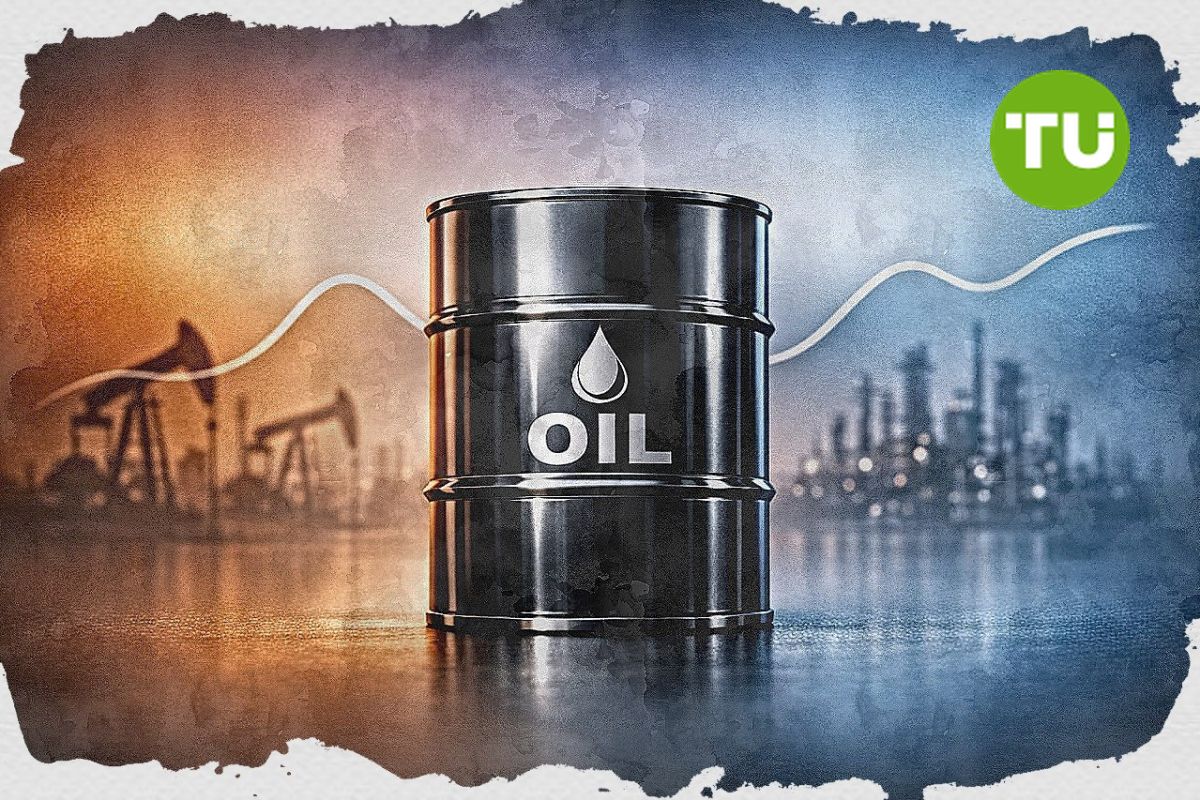
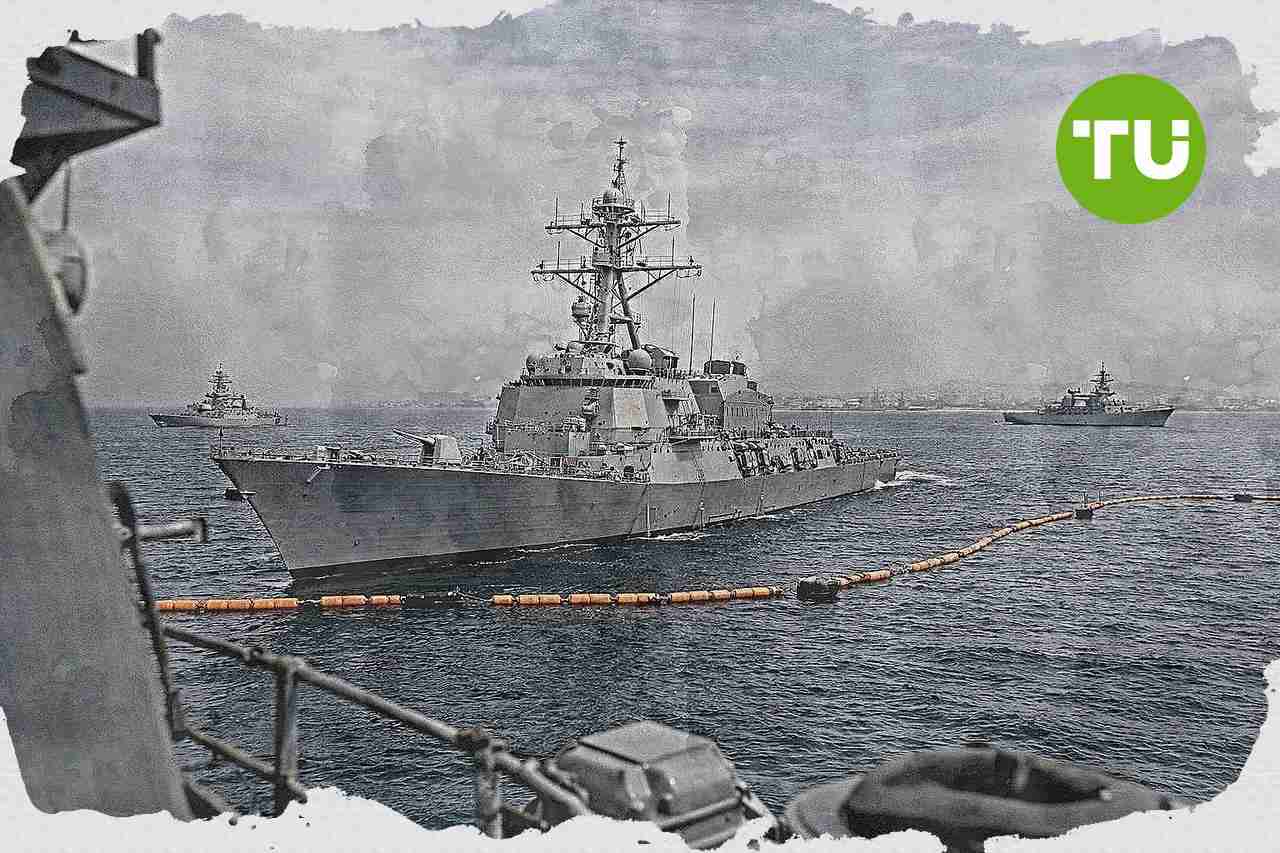
Oil prices have once again surpassed the $100 per barrel mark, reflecting ongoing pressure from geopolitical tensions in the East, even after emerging economies agreed on a historic release of reserves aimed at market development. Fuel prices continue to rise amid the escalating conflict between the U.S., Israel, and Iran, which is expected to affect supplies through strategically important trade routes, including the Strait of Hormuz.
Highlights
- Oil prices exceed $100 again: Despite strategic reserve releases, geopolitical tensions drive oil prices above $100 per barrel.
- Strait of Hormuz closure: The conflict disrupts key oil shipping routes, affecting global supply.
- Reserves not enough: Strategic reserve releases help short-term but can't fully offset long-term disruptions.
Oil price rally
According to Yahoo!Finance, during the overnight trading session, global futures for Brent surged above the $100 per barrel mark, rising approximately 7.5%, while WTI prices reached nearly $94.8 per barrel after a similar increase of around 6.4%. These values indicate a significant jump in prices following recent fluctuations, with oil climbing to four-year highs before pulling back.
This rise occurred despite the agreement by 32 countries, including the U.S. and other developed economies, to release strategic oil reserves in a historic move aimed at alleviating market pressure. The measures, which include coordinated releases from national stockpiles—the largest such action in history—did not exert sustained downward pressure on prices as fundamental risks remain high.
Geopolitical risks and supply
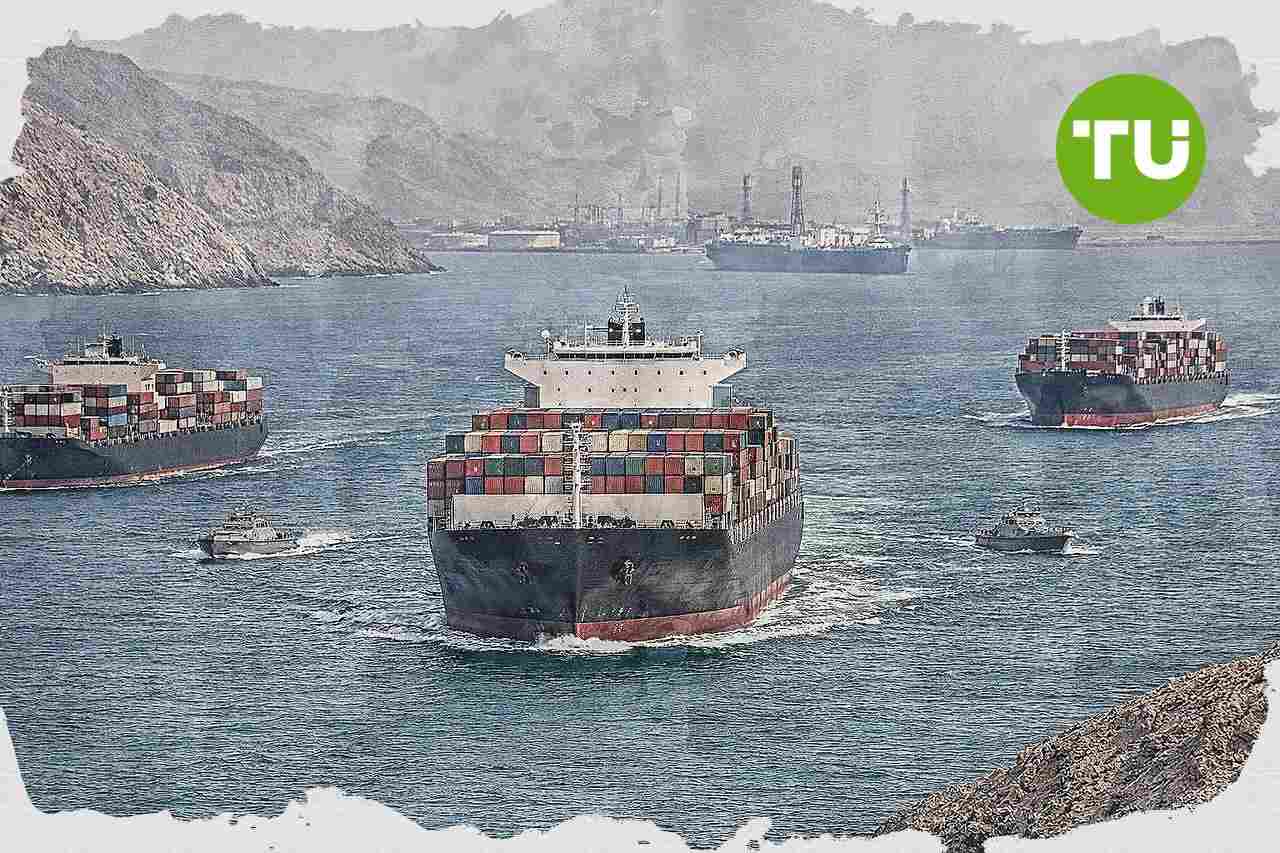
The ongoing conflict has led to the effective closure of the Strait of Hormuz, through which about 20% of global maritime oil transit passes, as vessels become targets for attacks and insurance risks rise. Many countries in the Persian Gulf, including Saudi Arabia, have been forced to redirect their export flows through alternative routes, such as the Red Sea, which has increased logistical costs and complications.Analysts warn that while the release of reserves may ease short-term price spikes, it is unlikely to compensate for significant supply disruptions, especially if the conflict drags on and regional infrastructure continues to be targeted.
Market and consumer impact
The current price surge reflects a balance between limited supply and a high level of uncertainty, which may continue to affect global energy markets and consumer fuel prices.
Even with strategic measures in place, regional tensions and logistical obstacles keep prices under pressure, increasing the risk of further price hikes if progress on de-escalation remains stalled.
As previously covered, oil remains near $90 as IEA plans historic strategic reserve release.


Latest Iran war News





-
 Afghanistan
-
 Albania
-
 Algeria
-
 Angola
-
 Argentina
-
 Armenia
-
 Australia
-
 Austria
-
 Azerbaijan
-
 Bahamas
-
 Bahrain
-
 Bangladesh
-
 Belarus
-
 Belgium
-
 Bolivia
-
 Botswana
-
 Brazil
-
 Brunei
-
 Bulgaria
-
 Cambodia
-
 Cameroon
-
 Canada
-
 Chile
Chile
-
 China
China
-
 Colombia
-
 Congo
Congo
-
 Costa Rica
-
 Cote d'Ivoire
-
 Croatia
-
 Cuba
Cuba
-
 Cyprus
-
 Czechia
-
 DR Congo
-
 Denmark
-
 Dominican Republic
-
 Ecuador
-
 Egypt
Egypt
-
 El Salvador
-
 Estonia
-
 Eswatini
-
 Ethiopia
-
 Finland
-
 France
-
 Georgia
-
 Germany
-
 Ghana
Ghana
-
 Greece
-
 Haiti
Haiti
-
 Hong Kong
-
 Hungary
-
 India
India
-
 Indonesia
-
 Iran, Islamic republic
-
 Iraq
Iraq
-
 Ireland
-
 Israel
-
 Italy
Italy
-
 Jamaica
-
 Japan
Japan
-
 Jordan
-
 Kazakhstan
-
 Kenya
Kenya
-
 Korea
Korea
-
 Kuwait
-
 Kyrgyzstan
-
 Laos
Laos
-
 Latvia
-
 Lebanon
-
 Lesotho
-
 Libya
Libya
-
 Lithuania
-
 Luxembourg
-
 Madagascar
-
 Malaysia
-
 Malta
Malta
-
 Mauritius
-
 Mexico
-
 Moldova
-
 Mongolia
-
 Montenegro
-
 Morocco
-
 Mozambique
-
 Myanmar
-
 Namibia
-
 Nepal
Nepal
-
 Netherlands
-
 New Zealand
-
 Nigeria
-
 North Macedonia
-
 Norway
-
 Oman
Oman
-
 Pakistan
-
 Palestine
-
 Panama
-
 Papua New Guinea
-
 Paraguay
-
 Peru
Peru
-
 Philippines
-
 Poland
-
 Portugal
-
 Puerto Rico
-
 Qatar
Qatar
-
 Reunion
-
 Romania
-
 Rwanda
-
 Saudi Arabia
-
 Serbia
-
 Singapore
-
 Slovakia
-
 Slovenia
-
 Somalia
-
 South Africa
-
 Spain
Spain
-
 Sri Lanka
-
 Sweden
-
 Switzerland
-
 Syria
Syria
-
 Taiwan
-
 Tajikistan
-
 Tanzania
-
 Thailand
-
 Trinidad and Tobago
-
 Tunisia
-
 Turkey
-
 UAE
UAE
-
 Uganda
-
 Ukraine
-
 United Kingdom
-
United States
-
 Uruguay
-
 Uzbekistan
-
 Venezuela
-
 Vietnam
-
 Yemen
Yemen
-
 Zambia
-
 Zimbabwe
- Forex
- Crypto











