

Gold and silver plunge as investors exit safe-haven metals
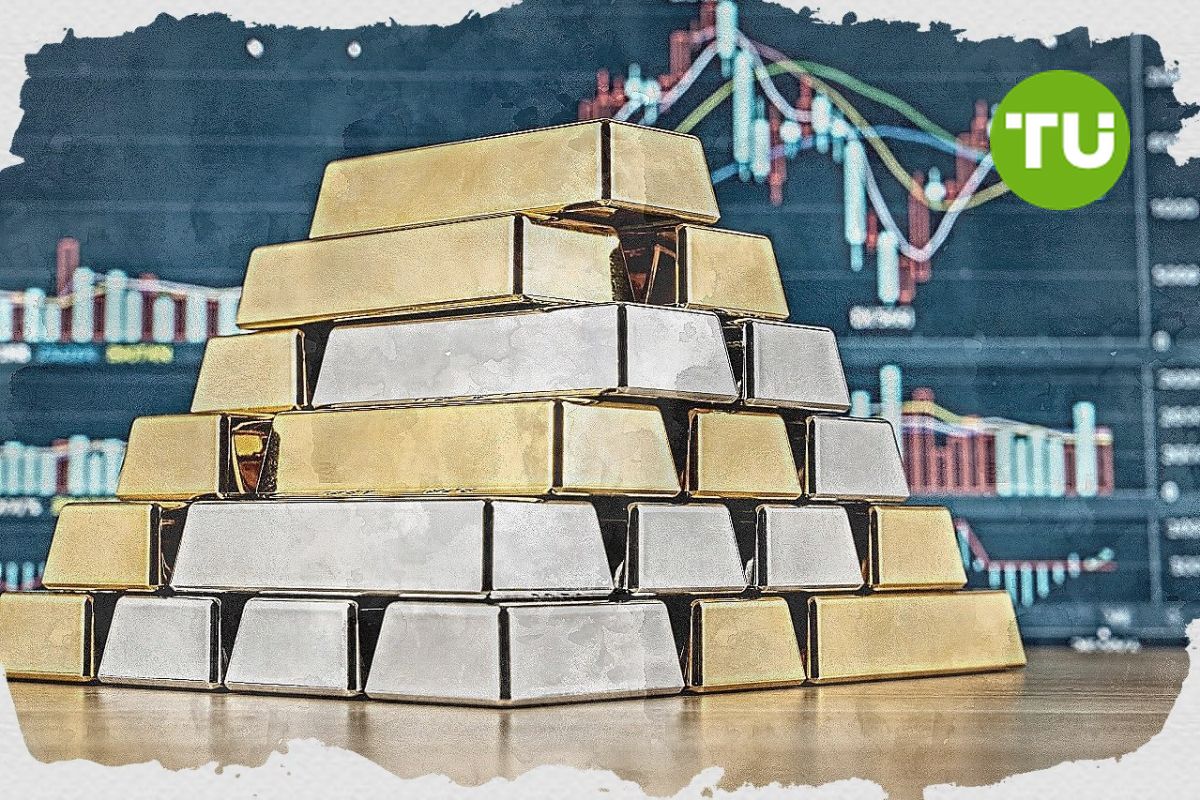
Gold and silver prices fell sharply again at the start of the week, even as the conflict around Iran continued, a development that would normally support demand for safe-haven assets. Instead of flowing into precious metals, investors are increasingly shifting toward yield-bearing instruments, as higher energy prices strengthen expectations of tighter monetary policy.
Highlights
- Gold and silver are falling sharply even though the Middle East conflict continues.
- Spot gold dropped toward $4,126, while silver fell to $62.24 per ounce.
- The main source of pressure is rising inflation expectations and weaker odds of near-term Federal Reserve easing.
Selloff spreads across the precious metals sector
According to CNBC reports, spot gold dropped to about $4,126 per ounce on Monday, while gold futures fell nearly 10% to around $4,119, marking the lowest level of 2026. That extended last week’s decline, when gold lost nearly 10% and posted its worst weekly performance since September 2011. From its January peak, when spot prices climbed above $5,500 per ounce, gold has now fallen by roughly a quarter.
Silver moved even more sharply. Spot silver fell more than 8% to $62.24 per ounce, while silver futures declined nearly 12% to $61.66. At the same time, the selloff spread to other metals, with platinum and palladium also moving lower as investors pulled back from the sector.
Why safe-haven assets are no longer working the same way
Rising oil prices, driven by the conflict in the Middle East, are fueling inflation concerns and forcing the market to reassess interest-rate expectations. That is negative for gold and silver: neither asset generates coupon income, so both become less attractive when bond yields rise and hopes for rate cuts weaken.
An additional factor has been profit-taking after a multi-month rally. Back in January, gold traded above $5,300–$5,500 per ounce, while silver climbed above $120, before the market began rapidly revising those elevated expectations. Against that backdrop, investors are reducing positions in precious-metals ETFs and partially reallocating capital into bonds, the dollar and energy-related assets.
What this reversal says about the safe-haven market
The current correction shows that in 2026, safe-haven status alone is no longer enough to support precious-metals prices.
That suggests investors are increasingly evaluating gold and silver not only as crisis hedges, but also through the lens of interest rates, yields and the cost of alternative assets.
It was earlier reported that U.S. futures decline as investors assess risks in Strait of Hormuz.





Latest Gold News





-
 Afghanistan
-
 Albania
-
 Algeria
-
 Angola
-
 Argentina
-
 Armenia
-
 Australia
-
 Austria
-
 Azerbaijan
-
 Bahamas
-
 Bahrain
-
 Bangladesh
-
 Belarus
-
 Belgium
-
 Bolivia
-
 Botswana
-
 Brazil
-
 Brunei
-
 Bulgaria
-
 Cambodia
-
 Cameroon
-
 Canada
-
 Chile
Chile
-
 China
China
-
 Colombia
-
 Congo
Congo
-
 Costa Rica
-
 Cote d'Ivoire
-
 Croatia
-
 Cuba
Cuba
-
 Cyprus
-
 Czechia
-
 DR Congo
-
 Denmark
-
 Dominican Republic
-
 Ecuador
-
 Egypt
Egypt
-
 El Salvador
-
 Estonia
-
 Eswatini
-
 Ethiopia
-
 Finland
-
 France
-
 Georgia
-
 Germany
-
 Ghana
Ghana
-
 Greece
-
 Haiti
Haiti
-
 Hong Kong
-
 Hungary
-
 India
India
-
 Indonesia
-
 Iran, Islamic republic
-
 Iraq
Iraq
-
 Ireland
-
 Israel
-
 Italy
Italy
-
 Jamaica
-
 Japan
Japan
-
 Jordan
-
 Kazakhstan
-
 Kenya
Kenya
-
 Korea
Korea
-
 Kuwait
-
 Kyrgyzstan
-
 Laos
Laos
-
 Latvia
-
 Lebanon
-
 Lesotho
-
 Libya
Libya
-
 Lithuania
-
 Luxembourg
-
 Madagascar
-
 Malaysia
-
 Malta
Malta
-
 Mauritius
-
 Mexico
-
 Moldova
-
 Mongolia
-
 Montenegro
-
 Morocco
-
 Mozambique
-
 Myanmar
-
 Namibia
-
 Nepal
Nepal
-
 Netherlands
-
 New Zealand
-
 Nigeria
-
 North Macedonia
-
 Norway
-
 Oman
Oman
-
 Pakistan
-
 Palestine
-
 Panama
-
 Papua New Guinea
-
 Paraguay
-
 Peru
Peru
-
 Philippines
-
 Poland
-
 Portugal
-
 Puerto Rico
-
 Qatar
Qatar
-
 Reunion
-
 Romania
-
 Rwanda
-
 Saudi Arabia
-
 Serbia
-
 Singapore
-
 Slovakia
-
 Slovenia
-
 Somalia
-
 South Africa
-
 Spain
Spain
-
 Sri Lanka
-
 Sweden
-
 Switzerland
-
 Syria
Syria
-
 Taiwan
-
 Tajikistan
-
 Tanzania
-
 Thailand
-
 Trinidad and Tobago
-
 Tunisia
-
 Turkey
-
 UAE
UAE
-
 Uganda
-
 Ukraine
-
 United Kingdom
-
United States
-
 Uruguay
-
 Uzbekistan
-
 Venezuela
-
 Vietnam
-
 Yemen
Yemen
-
 Zambia
-
 Zimbabwe
- Forex
- Crypto












