

Oil prices fall as Trump extends deadline on Iran energy strikes
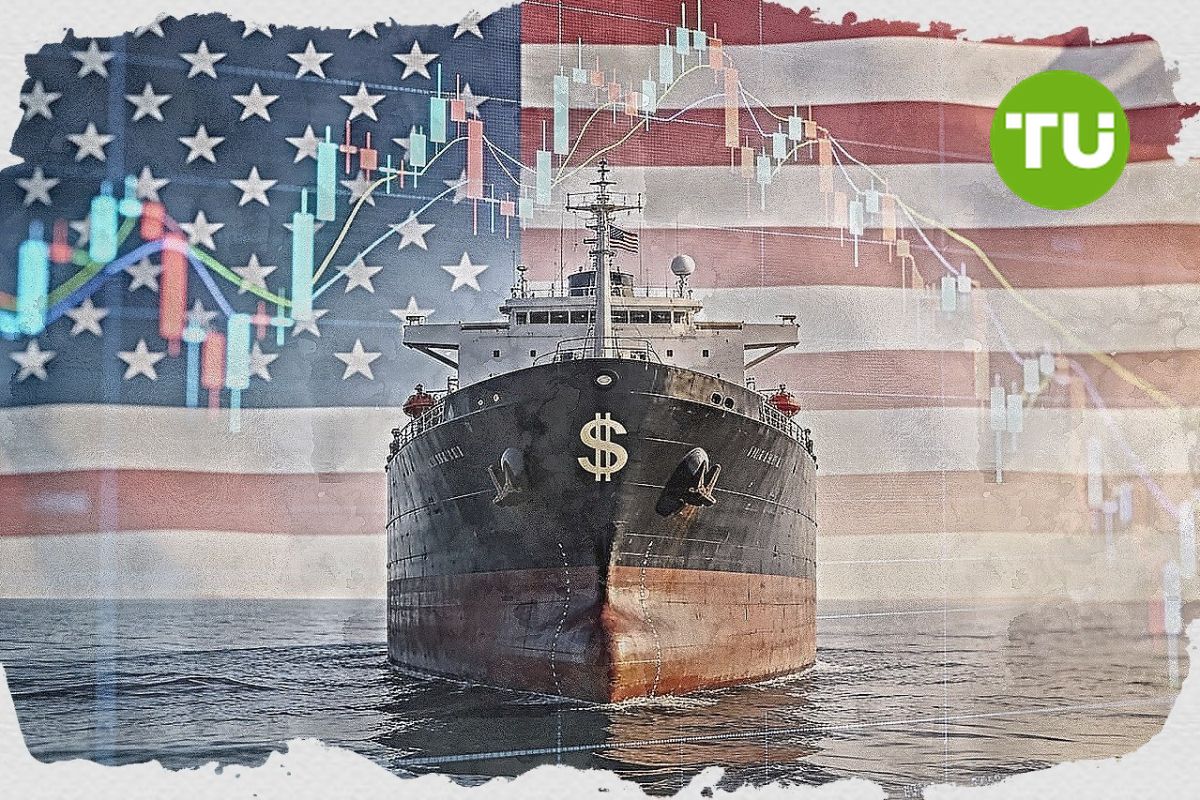
The oil market got a temporary reprieve on Thursday after US President Donald Trump once again postponed possible strikes on Irans energy infrastructure. Brent fell by nearly 3 percent at one point, as investors briefly removed part of the geopolitical premium that has sharply raised crude prices in recent weeks.
Highlights
- Brent and WTI fell after another 10-day US delay to strikes on Irans energy sector.
- The market welcomed the pause, but does not see it as a sign of durable de-escalation.
- The Strait of Hormuz remains the main source of risk for supply and prices.
According to Bloomberg,Trump said he was extending the pause by another 10 days, until April 6, citing ongoing contacts and Irans request for a longer window. Brent dropped to around $107.84 a barrel, while WTI fell to $93.96.
The market reacts to diplomacy, but does not believe the conflict is near an end
Formally, the White House decision lowers the probability of an immediate strike on Iranian energy assets and therefore reduces the risk of another sudden supply shock. That is what triggered the selloff in oil. But the decline was limited: the market still assumes the conflict is far from over, and that any renewed military escalation could quickly send prices higher again.
Skepticism is reinforced by the fact that statements from Washington and Tehran remain contradictory. Trump has spoken of progress in talks, while Iran continues to reject the American version of events and has laid out its own conditions, including an end to attacks and recognition of control over the Strait of Hormuz. Against that backdrop, even a diplomatic pause looks less like the start of a durable peace and more like a postponement of the decision.
Iran allows passage of 10 oil tankers through Strait of Hormuz
On Thursday, during a Cabinet meeting, U.S. President Donald Trump announced that Iran had granted a "gift" to the U.S. by allowing 10 oil tankers to pass through the Strait of Hormuz. This development follows Trump’s earlier remarks, where he mentioned a similar gesture from Iran but had not elaborated on the details.
Trump stated that Iran initially promised eight tankers, but later added two more. "They said, 'To show you the fact that we’re real and solid and we’re there, we’re going to let you have eight boats of oil ... and they’ll sail up tomorrow,'" Trump explained. .
These comments from the U.S. president clarified earlier statements about Iran’s "gift" of oil and gas. Trump further added that Iran had apologized for its earlier remarks and confirmed the additional shipment of two more tankers.
The Strait of Hormuz remains the central risk
The markets main pressure point remains the Strait of Hormuz, through which a significant share of global oil and gas supplies passes. Reports that Iran allowed some tankers to pass temporarily eased concerns, but they did not answer the central question: how stable transit will be in the coming days and whether a de facto disruption of the route could return.
Even after the decline, prices remain well above pre-war levels, and the risk to the global economy continues to be transmitted through fuel costs, inflation, and transport expenses.
The market remains hostage to the war scenario
The delay until April 6 has given the oil market only a brief pause, without changing the fundamental picture. Prices fell not because investors suddenly believed in a quick settlement, but because the immediate risk of a strike on Iranian energy infrastructure temporarily receded.
For the global economy, this means continued pressure through fuel costs, transport expenses, and inflation expectations. As long as the future of the Strait of Hormuz and the course of negotiations remain unclear, any new military or political development could quickly push prices sharply higher again.
In an earlier report, we noted that oil prices rise again as markets doubt U.S. peace plan.




Latest Iran war News





-
 Afghanistan
-
 Albania
-
 Algeria
-
 Angola
-
 Argentina
-
 Armenia
-
 Australia
-
 Austria
-
 Azerbaijan
-
 Bahamas
-
 Bahrain
-
 Bangladesh
-
 Belarus
-
 Belgium
-
 Bolivia
-
 Botswana
-
 Brazil
-
 Brunei
-
 Bulgaria
-
 Cambodia
-
 Cameroon
-
 Canada
-
 Chile
Chile
-
 China
China
-
 Colombia
-
 Congo
Congo
-
 Costa Rica
-
 Cote d'Ivoire
-
 Croatia
-
 Cuba
Cuba
-
 Cyprus
-
 Czechia
-
 DR Congo
-
 Denmark
-
 Dominican Republic
-
 Ecuador
-
 Egypt
Egypt
-
 El Salvador
-
 Estonia
-
 Eswatini
-
 Ethiopia
-
 Finland
-
 France
-
 Georgia
-
 Germany
-
 Ghana
Ghana
-
 Greece
-
 Haiti
Haiti
-
 Hong Kong
-
 Hungary
-
 India
India
-
 Indonesia
-
 Iran, Islamic republic
-
 Iraq
Iraq
-
 Ireland
-
 Israel
-
 Italy
Italy
-
 Jamaica
-
 Japan
Japan
-
 Jordan
-
 Kazakhstan
-
 Kenya
Kenya
-
 Korea
Korea
-
 Kuwait
-
 Kyrgyzstan
-
 Laos
Laos
-
 Latvia
-
 Lebanon
-
 Lesotho
-
 Libya
Libya
-
 Lithuania
-
 Luxembourg
-
 Madagascar
-
 Malaysia
-
 Malta
Malta
-
 Mauritius
-
 Mexico
-
 Moldova
-
 Mongolia
-
 Montenegro
-
 Morocco
-
 Mozambique
-
 Myanmar
-
 Namibia
-
 Nepal
Nepal
-
 Netherlands
-
 New Zealand
-
 Nigeria
-
 North Macedonia
-
 Norway
-
 Oman
Oman
-
 Pakistan
-
 Palestine
-
 Panama
-
 Papua New Guinea
-
 Paraguay
-
 Peru
Peru
-
 Philippines
-
 Poland
-
 Portugal
-
 Puerto Rico
-
 Qatar
Qatar
-
 Reunion
-
 Romania
-
 Rwanda
-
 Saudi Arabia
-
 Serbia
-
 Singapore
-
 Slovakia
-
 Slovenia
-
 Somalia
-
 South Africa
-
 Spain
Spain
-
 Sri Lanka
-
 Sweden
-
 Switzerland
-
 Syria
Syria
-
 Taiwan
-
 Tajikistan
-
 Tanzania
-
 Thailand
-
 Trinidad and Tobago
-
 Tunisia
-
 Turkey
-
 UAE
UAE
-
 Uganda
-
 Ukraine
-
 United Kingdom
-
United States
-
 Uruguay
-
 Uzbekistan
-
 Venezuela
-
 Vietnam
-
 Yemen
Yemen
-
 Zambia
-
 Zimbabwe
- Forex
- Crypto












