
U.S. March jobs report tops forecasts as unemployment falls to 4.3%
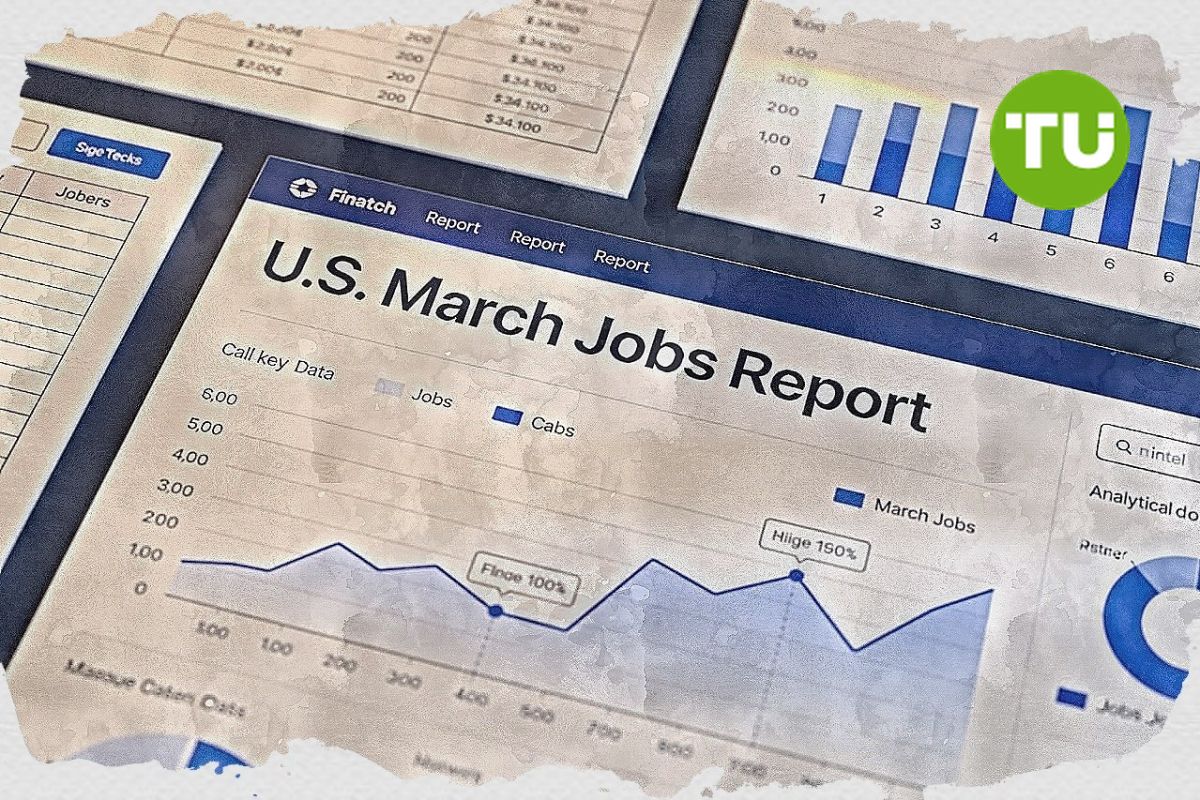
The U.S. labor market delivered a stronger-than-expected result in March, surprising Wall Street. The economy added 178,000 jobs, while the consensus forecast had pointed to an increase of about 60,000.
Highlights
- The U.S. added 178,000 jobs in March versus expectations of about 60,000.
- Unemployment fell to 4.3%, while February data were revised down to -133,000.
- Markets responded with higher yields and modestly weaker futures, while BTC stayed near $66,700.
According to the U.S. Bureau of Labor Statistics, the unemployment rate fell to 4.3% from 4.4% in February, while the previous month turned out to be weaker than first reported: February payrolls were revised down to a loss of 133,000 jobs from an initial decline of 92,000. For markets, that was a sign that the U.S. economy remains firmer than investors had assumed amid the oil shock and the conflict in the Middle East.
What the March report showed
The official data show that job growth in March was driven primarily by healthcare, construction, and transportation and warehousing. Healthcare added 76,000 jobs, construction 26,000, and transportation and warehousing 21,000. At the same time, the federal government continued cutting staff: down 18,000 jobs for the month and down 355,000 from the October 2024 peak.
The picture, however, does not look uniformly strong. Average hourly earnings in the private sector rose just 0.2% on the month and 3.5% year over year, to $37.38, while the labor market as a whole, according to BLS estimates, has shown almost no net payroll growth over the past 12 months. In other words, the March rebound improved sentiment, but did not erase the broader softer trend.
How markets reacted
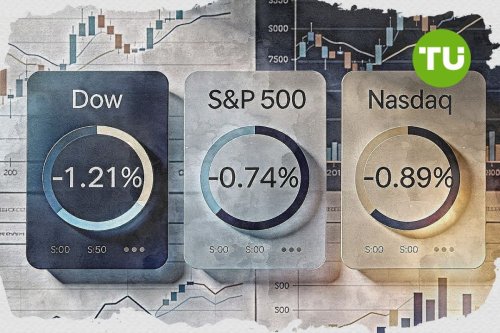
The market reaction was restrained but telling. By Friday morning, futures on the S&P 500 were down 0.3%, Dow Jones futures fell 0.2%, and Nasdaq futures were off 0.4%. The yield on the 10-year U.S. Treasury rose to about 4.35% to 4.36%, reflecting expectations that stronger data could make the Federal Reserve more cautious about cutting rates.
Bitcoin, meanwhile, traded calmly around $66,600 to $66,700, with no sharp move immediately after the release. That suggests that for the crypto market, the macro backdrop matters, but does not outweigh geopolitical and energy-related risks.
What it means for the Fed and investors
The main significance of the report is that it puts the question back on the table of how close the Fed really is to easing policy. At his March press conference, Jerome Powell acknowledged that rising energy prices would lift headline inflation in the near term, but stressed the uncertainty around the scale and duration of that effect. Now stronger employment data have been added to the picture, which means there are fewer arguments for a rapid move toward lower rates.
For investors, that means a more complicated environment: the economy is still creating jobs, but expensive oil and external risks could hurt demand and hiring later on. So the March report did not remove uncertainty as much as it showed that the U.S. economy is more resilient than expected, even if that resilience will still be tested in the second quarter.
In an earlier report, we noted that gold trades higher as Fed rate cut hopes fade after surprise labor strength.


Latest Dow Jones News






-
 Afghanistan
-
 Albania
-
 Algeria
-
 Angola
-
 Argentina
-
 Armenia
-
 Australia
-
 Austria
-
 Azerbaijan
-
 Bahamas
-
 Bahrain
-
 Bangladesh
-
 Belarus
-
 Belgium
-
 Bolivia
-
 Botswana
-
 Brazil
-
 Brunei
-
 Bulgaria
-
 Cambodia
-
 Cameroon
-
 Canada
-
 Chile
Chile
-
 China
China
-
 Colombia
-
 Congo
Congo
-
 Costa Rica
-
 Cote d'Ivoire
-
 Croatia
-
 Cuba
Cuba
-
 Cyprus
-
 Czechia
-
 DR Congo
-
 Denmark
-
 Dominican Republic
-
 Ecuador
-
 Egypt
Egypt
-
 El Salvador
-
 Estonia
-
 Eswatini
-
 Ethiopia
-
 Finland
-
 France
-
 Georgia
-
 Germany
-
 Ghana
Ghana
-
 Greece
-
 Haiti
Haiti
-
 Hong Kong
-
 Hungary
-
 India
India
-
 Indonesia
-
 Iran, Islamic republic
-
 Iraq
Iraq
-
 Ireland
-
 Israel
-
 Italy
Italy
-
 Jamaica
-
 Japan
Japan
-
 Jordan
-
 Kazakhstan
-
 Kenya
Kenya
-
 Korea
Korea
-
 Kuwait
-
 Kyrgyzstan
-
 Laos
Laos
-
 Latvia
-
 Lebanon
-
 Lesotho
-
 Libya
Libya
-
 Lithuania
-
 Luxembourg
-
 Madagascar
-
 Malaysia
-
 Malta
Malta
-
 Mauritius
-
 Mexico
-
 Moldova
-
 Mongolia
-
 Montenegro
-
 Morocco
-
 Mozambique
-
 Myanmar
-
 Namibia
-
 Nepal
Nepal
-
 Netherlands
-
 New Zealand
-
 Nigeria
-
 North Macedonia
-
 Norway
-
 Oman
Oman
-
 Pakistan
-
 Palestine
-
 Panama
-
 Papua New Guinea
-
 Paraguay
-
 Peru
Peru
-
 Philippines
-
 Poland
-
 Portugal
-
 Puerto Rico
-
 Qatar
Qatar
-
 Reunion
-
 Romania
-
 Rwanda
-
 Saudi Arabia
-
 Serbia
-
 Singapore
-
 Slovakia
-
 Slovenia
-
 Somalia
-
 South Africa
-
 Spain
Spain
-
 Sri Lanka
-
 Sweden
-
 Switzerland
-
 Syria
Syria
-
 Taiwan
-
 Tajikistan
-
 Tanzania
-
 Thailand
-
 Trinidad and Tobago
-
 Tunisia
-
 Turkey
-
 UAE
UAE
-
 Uganda
-
 Ukraine
-
 United Kingdom
-
United States
-
 Uruguay
-
 Uzbekistan
-
 Venezuela
-
 Vietnam
-
 Yemen
Yemen
-
 Zambia
-
 Zimbabwe
- Forex
- Crypto












