
Oil surges above $100 after U.S. announces naval blockade of Iran
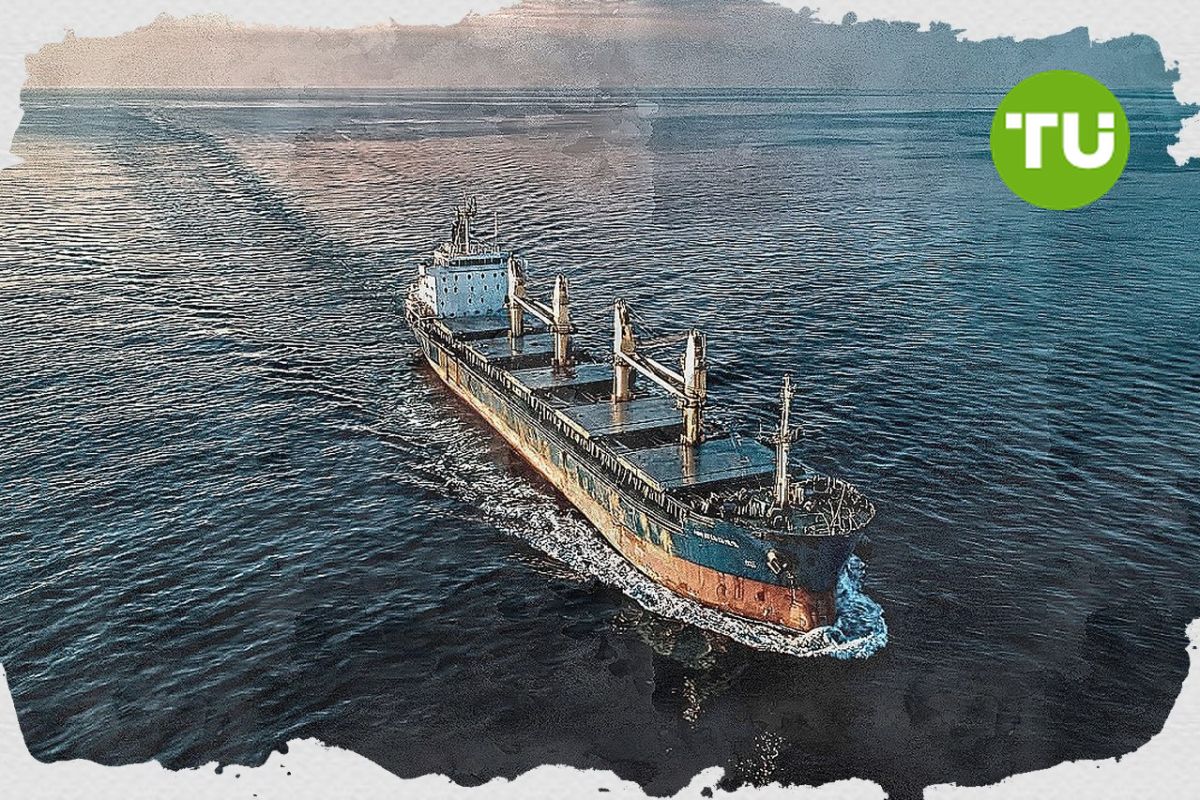
Oil prices jumped sharply after the United States announced preparations for a naval blockade of Iranian ports following failed negotiations with Tehran. The market reacted with a surge of more than 8%, fearing major disruptions to crude supply through the Strait of Hormuz.
According to CNBC, talks between the U.S. and Iran took place over the weekend. They ended without results despite lasting nearly 21 hours. The American delegation was led by Vice President JD Vance, and the main sticking point was Iran’s nuclear program — Washington failed to secure guarantees from Tehran that it would abandon the development of nuclear weapons.
Immediately after the collapse of the talks, Donald Trump announced tough measures — the U.S. is preparing a naval blockade of Iran, including the Strait of Hormuz and the country’s key ports. At the same time, according to media reports, the administration is also considering limited military strikes on Iran to increase pressure and break the deadlock in negotiations.
The market reacted instantly to the news. Oil prices surged: U.S. WTI jumped nearly 8% to above $104 per barrel, while Brent rose about 7% to over $101. Amid rising tensions, stock markets also declined: U.S. index futures fell, and Asian markets opened lower due to concerns over potential oil supply disruptions.
The Strait of Hormuz as a key risk point for the global market
The Strait of Hormuz remains a critical artery of the global oil market — about 20% of the world’s oil supply passes through it. Against the backdrop of blockade threats and potential attacks, tanker traffic has already dropped sharply: before the escalation, more than 100 vessels passed through the strait daily, but now only a handful do. This creates the risk of the largest oil supply disruption in recent years and adds upward pressure on prices. If the situation does not change, oil could rise to $200.
Additional uncertainty comes from Iran’s position. Tehran says that effective control over the strait remains in its hands and that further passage of vessels depends on its decisions. As a result, investors remain unclear about how strict the blockade will be, how long it might last, and whether the situation could escalate into a direct military confrontation.
How the escalation of the conflict began
The military conflict began with an attack by the United States and Israel on Iran, during which the country’s Supreme Leader Ali Khamenei was killed. This became a turning point — after that, the confrontation quickly shifted from a latent phase to open military escalation.
In response, Iran began launching missile strikes on targets across the region, including the UAE, where areas near Dubai were hit, as well as targets in Iraq and Saudi Arabia. Tehran stated that the attacks were aimed at military infrastructure and U.S. allies, but these actions significantly increased risks for the entire region and further intensified the conflict.
It is worth noting that gasoline prices in the United States have already recorded a sharp spike due to the war with Iran.








-
 Afghanistan
-
 Albania
-
 Algeria
-
 Angola
-
 Argentina
-
 Armenia
-
 Australia
-
 Austria
-
 Azerbaijan
-
 Bahamas
-
 Bahrain
-
 Bangladesh
-
 Belarus
-
 Belgium
-
 Bolivia
-
 Botswana
-
 Brazil
-
 Brunei
-
 Bulgaria
-
 Cambodia
-
 Cameroon
-
 Canada
-
 Chile
Chile
-
 China
China
-
 Colombia
-
 Congo
Congo
-
 Costa Rica
-
 Cote d'Ivoire
-
 Croatia
-
 Cuba
Cuba
-
 Cyprus
-
 Czechia
-
 DR Congo
-
 Denmark
-
 Dominican Republic
-
 Ecuador
-
 Egypt
Egypt
-
 El Salvador
-
 Estonia
-
 Eswatini
-
 Ethiopia
-
 Finland
-
 France
-
 Georgia
-
 Germany
-
 Ghana
Ghana
-
 Greece
-
 Haiti
Haiti
-
 Hong Kong
-
 Hungary
-
 India
India
-
 Indonesia
-
 Iran, Islamic republic
-
 Iraq
Iraq
-
 Ireland
-
 Israel
-
 Italy
Italy
-
 Jamaica
-
 Japan
Japan
-
 Jordan
-
 Kazakhstan
-
 Kenya
Kenya
-
 Korea
Korea
-
 Kuwait
-
 Kyrgyzstan
-
 Laos
Laos
-
 Latvia
-
 Lebanon
-
 Lesotho
-
 Libya
Libya
-
 Lithuania
-
 Luxembourg
-
 Madagascar
-
 Malaysia
-
 Malta
Malta
-
 Mauritius
-
 Mexico
-
 Moldova
-
 Mongolia
-
 Montenegro
-
 Morocco
-
 Mozambique
-
 Myanmar
-
 Namibia
-
 Nepal
Nepal
-
 Netherlands
-
 New Zealand
-
 Nigeria
-
 North Macedonia
-
 Norway
-
 Oman
Oman
-
 Pakistan
-
 Palestine
-
 Panama
-
 Papua New Guinea
-
 Paraguay
-
 Peru
Peru
-
 Philippines
-
 Poland
-
 Portugal
-
 Puerto Rico
-
 Qatar
Qatar
-
 Reunion
-
 Romania
-
 Rwanda
-
 Saudi Arabia
-
 Serbia
-
 Singapore
-
 Slovakia
-
 Slovenia
-
 Somalia
-
 South Africa
-
 Spain
Spain
-
 Sri Lanka
-
 Sweden
-
 Switzerland
-
 Syria
Syria
-
 Taiwan
-
 Tajikistan
-
 Tanzania
-
 Thailand
-
 Trinidad and Tobago
-
 Tunisia
-
 Turkey
-
 UAE
UAE
-
 Uganda
-
 Ukraine
-
 United Kingdom
-
United States
-
 Uruguay
-
 Uzbekistan
-
 Venezuela
-
 Vietnam
-
 Yemen
Yemen
-
 Zambia
-
 Zimbabwe
- Forex
- Crypto











