
FERC sets new oil pipeline rate index for five-year period starting July 2026
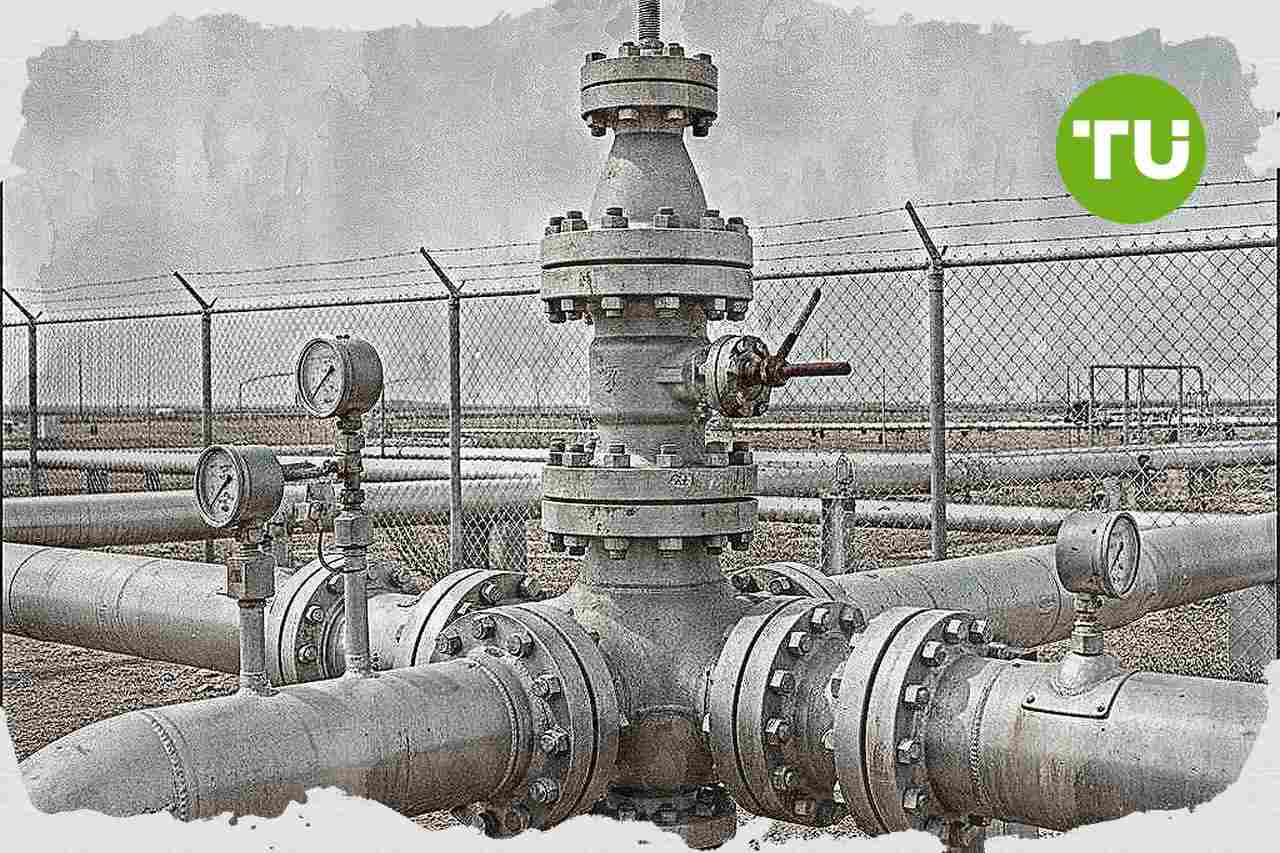
The Federal Energy Regulatory Commission has completed its scheduled five-year review of the index that governs annual changes in oil pipeline rate ceilings. The new formula, set at Producer Price Index for Finished Goods minus 0.55%, will apply from July 1, 2026 and is intended to align indexed pipeline rates with industry cost changes.
Highlights
- FERC resets the oil pipeline index to PPI-FG minus 0.55% for the five-year period starting July 1, 2026.
- The rule changes the cost data set, excluding resubmitted 2019 data and using only the middle 80% of cost changes, reflecting the 2020 policy on pipeline equity returns.
- FERC asserts the new index calibrates pipeline returns to industry costs without materially impacting gasoline or airfare prices for consumers.
Rule framework and implementation timeline
As reported by the Federal Energy Regulatory Commission, the final rule resets the oil pipeline index at PPI-FG minus 0.55% for the five-year period commencing July 1, 2026. Under the indexing system, oil pipelines may charge transportation rates up to their applicable rate ceilings, with the review designed to keep those ceilings just and reasonable.The rule also adjusts the cost data used to derive the index level to reflect the Commission's 2020 policy change on the allowed rate of return on equity for oil pipelines. FERC says it is maintaining the approach proposed in its November 20, 2025 Notice of Proposed Rulemaking, including excluding pipelines' resubmitted 2019 cost data and trimming the data set to the middle 80% of cost changes.
The final rule takes effect on the later of 60 days after publication in the Federal Register or 60 days after transmission of the rule to Congress and the Comptroller General.
Implications for pipeline operators and fuel markets
FERC reviews the oil pipeline rate index every five years to ensure it adequately reflects changes in industry costs while preserving reasonable indexed rates for shippers. The mechanism is a central part of how pipeline transportation charges are updated across the sector.Chairman Laura V. Swett says the final rule is intended to calibrate the index to real cost changes in the industry, supporting fair returns for pipeline operators while guarding against excessive rates for shippers. She also says the order should not raise gasoline or airfare prices for consumers because pipeline transportation costs account for only a small share of end-use fuel prices.
In our earlier article on WTI’s surge amid tensions around the Strait of Hormuz, we noted how supply-disruption fears and shifting shipping flows drove sharp, headline-led swings in crude prices. We also highlighted key technical levels and the market’s sensitivity to escalation or de-escalation signals, with traders closely watching Middle East developments for the next directional move.





Latest Suncor Energy News





-
 Afghanistan
-
 Albania
-
 Algeria
-
 Angola
-
 Argentina
-
 Armenia
-
 Australia
-
 Austria
-
 Azerbaijan
-
 Bahamas
-
 Bahrain
-
 Bangladesh
-
 Belarus
-
 Belgium
-
 Bolivia
-
 Botswana
-
 Brazil
-
 Brunei
-
 Bulgaria
-
 Cambodia
-
 Cameroon
-
 Canada
-
 Chile
Chile
-
 China
China
-
 Colombia
-
 Congo
Congo
-
 Costa Rica
-
 Cote d'Ivoire
-
 Croatia
-
 Cuba
Cuba
-
 Cyprus
-
 Czechia
-
 DR Congo
-
 Denmark
-
 Dominican Republic
-
 Ecuador
-
 Egypt
Egypt
-
 El Salvador
-
 Estonia
-
 Eswatini
-
 Ethiopia
-
 Finland
-
 France
-
 Georgia
-
 Germany
-
 Ghana
Ghana
-
 Greece
-
 Haiti
Haiti
-
 Hong Kong
-
 Hungary
-
 India
India
-
 Indonesia
-
 Iran, Islamic republic
-
 Iraq
Iraq
-
 Ireland
-
 Israel
-
 Italy
Italy
-
 Jamaica
-
 Japan
Japan
-
 Jordan
-
 Kazakhstan
-
 Kenya
Kenya
-
 Korea
Korea
-
 Kuwait
-
 Kyrgyzstan
-
 Laos
Laos
-
 Latvia
-
 Lebanon
-
 Lesotho
-
 Libya
Libya
-
 Lithuania
-
 Luxembourg
-
 Madagascar
-
 Malaysia
-
 Malta
Malta
-
 Mauritius
-
 Mexico
-
 Moldova
-
 Mongolia
-
 Montenegro
-
 Morocco
-
 Mozambique
-
 Myanmar
-
 Namibia
-
 Nepal
Nepal
-
 Netherlands
-
 New Zealand
-
 Nigeria
-
 North Macedonia
-
 Norway
-
 Oman
Oman
-
 Pakistan
-
 Palestine
-
 Panama
-
 Papua New Guinea
-
 Paraguay
-
 Peru
Peru
-
 Philippines
-
 Poland
-
 Portugal
-
 Puerto Rico
-
 Qatar
Qatar
-
 Reunion
-
 Romania
-
 Rwanda
-
 Saudi Arabia
-
 Serbia
-
 Singapore
-
 Slovakia
-
 Slovenia
-
 Somalia
-
 South Africa
-
 Spain
Spain
-
 Sri Lanka
-
 Sweden
-
 Switzerland
-
 Syria
Syria
-
 Taiwan
-
 Tajikistan
-
 Tanzania
-
 Thailand
-
 Trinidad and Tobago
-
 Tunisia
-
 Turkey
-
 UAE
UAE
-
 Uganda
-
 Ukraine
-
 United Kingdom
-
United States
-
 Uruguay
-
 Uzbekistan
-
 Venezuela
-
 Vietnam
-
 Yemen
Yemen
-
 Zambia
-
 Zimbabwe
- Forex
- Crypto












