
The Fed kept rates steady at 3.50–3.75% during its April 28–29 meeting, noting in its statement that inflation remains elevated, partly due to recent surges in global energy prices. This makes a quick policy easing less likely for the dollar than a month ago. Internal FOMC divisions are key: some members favor a firmer pause without dovish signals, bolstering USD amid high UST yields.
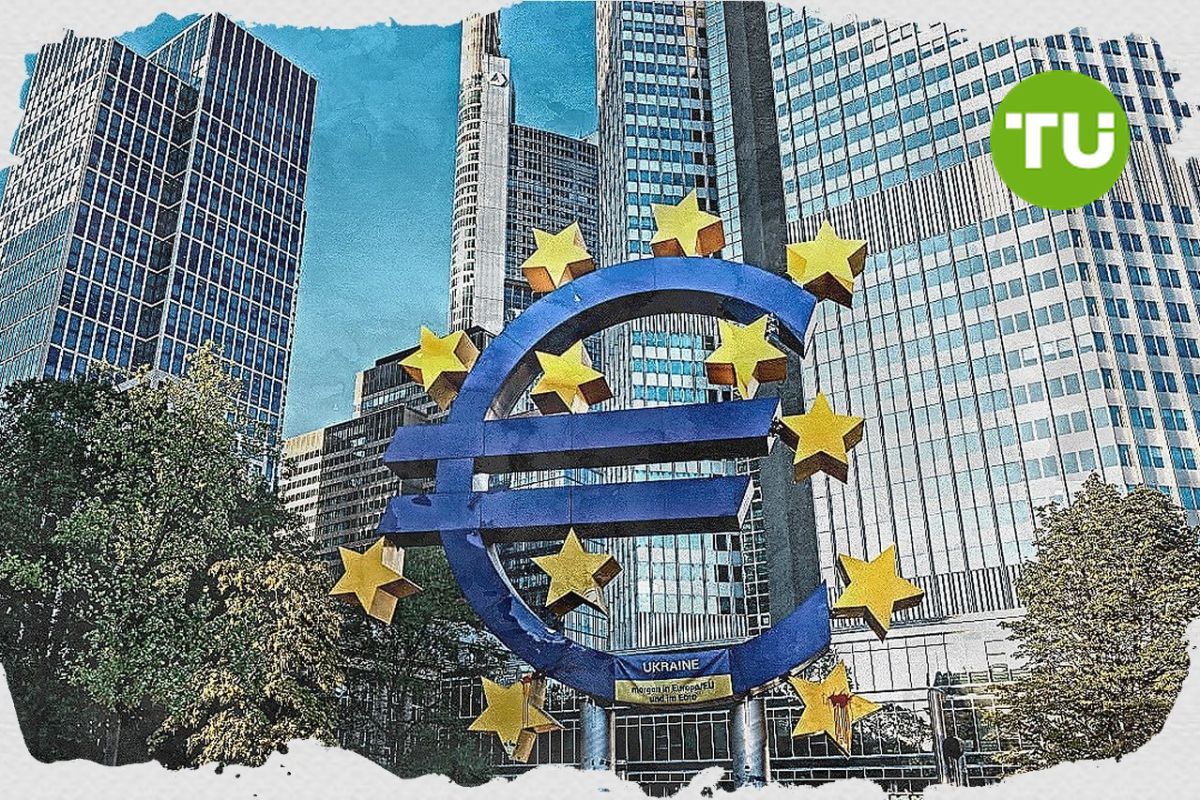
The ECB left its deposit rate at 2.0% in March, but eurozone inflation accelerated to 2.6% year-over-year, exceeding the 2% target. Major banks now see potential for a hike later in 2026, though timing consensus is shaky. Short-term, the euro lacks strong momentum; medium-term, the ECB appears less inclined to rapid easing, capping EUR/USD downside but not sparking a bullish trend.
The Fed's stance and rising inflation expectations boost dollar demand via yields and safe-haven flows amid geopolitics. April data highlights energy price uncertainty as a global market factor. The pair faces sellers on upside attempts, as the dollar holds its safety premium and rate support—accurately reflecting the current regime.
The "Middle East → oil → inflation → rates → dollar" linkage dominates. High energy costs hit the eurozone hard, worsening trade terms and stoking stagflation risks, so oil rallies typically pressure EUR/USD. Geopolitical headlines now drive intraday swings.
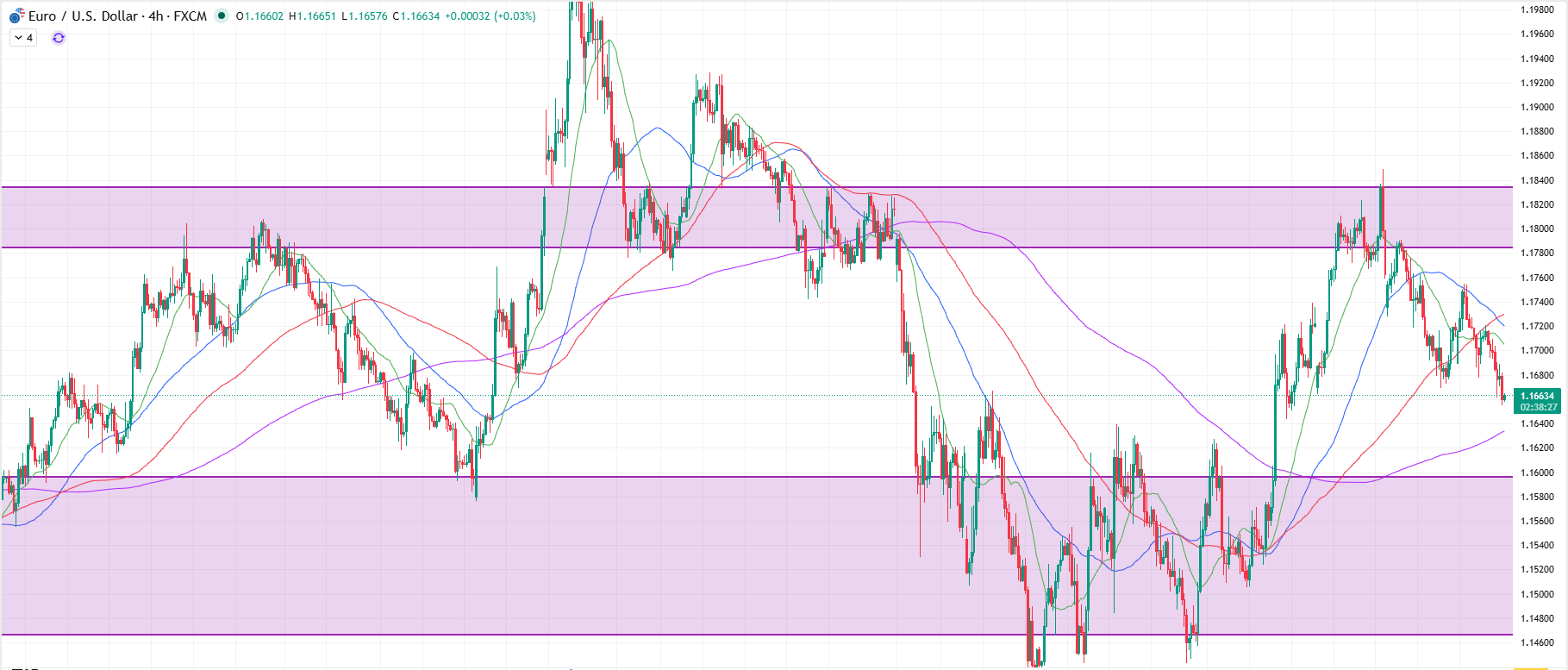
Yesterday's Fed decision and Chair Jerome Powell's comments provided no lift for the pair, which broke support near 1.1680 and risks sliding toward 1.1620–1.1600. Today, the ECB announces its rate decision—likely unchanged—so it should have minimal impact on EUR/USD dynamics.
Current EUR/USD levels hover around 1.17 amid pre-ECB caution, with oil at elevated prices adding downside risks.


Latest EUR/USD News







-
 Afghanistan
-
 Albania
-
 Algeria
-
 Angola
-
 Argentina
-
 Armenia
-
 Australia
-
 Austria
-
 Azerbaijan
-
 Bahamas
-
 Bahrain
-
 Bangladesh
-
 Belarus
-
 Belgium
-
 Bolivia
-
 Botswana
-
 Brazil
-
 Brunei
-
 Bulgaria
-
 Cambodia
-
 Cameroon
-
 Canada
-
 Chile
Chile
-
 China
China
-
 Colombia
-
 Congo
Congo
-
 Costa Rica
-
 Cote d'Ivoire
-
 Croatia
-
 Cuba
Cuba
-
 Cyprus
-
 Czechia
-
 DR Congo
-
 Denmark
-
 Dominican Republic
-
 Ecuador
-
 Egypt
Egypt
-
 El Salvador
-
 Estonia
-
 Eswatini
-
 Ethiopia
-
 Finland
-
 France
-
 Georgia
-
 Germany
-
 Ghana
Ghana
-
 Greece
-
 Haiti
Haiti
-
 Hong Kong
-
 Hungary
-
 India
India
-
 Indonesia
-
 Iran, Islamic republic
-
 Iraq
Iraq
-
 Ireland
-
 Israel
-
 Italy
Italy
-
 Jamaica
-
 Japan
Japan
-
 Jordan
-
 Kazakhstan
-
 Kenya
Kenya
-
 Korea
Korea
-
 Kuwait
-
 Kyrgyzstan
-
 Laos
Laos
-
 Latvia
-
 Lebanon
-
 Lesotho
-
 Libya
Libya
-
 Lithuania
-
 Luxembourg
-
 Madagascar
-
 Malaysia
-
 Malta
Malta
-
 Mauritius
-
 Mexico
-
 Moldova
-
 Mongolia
-
 Montenegro
-
 Morocco
-
 Mozambique
-
 Myanmar
-
 Namibia
-
 Nepal
Nepal
-
 Netherlands
-
 New Zealand
-
 Nigeria
-
 North Macedonia
-
 Norway
-
 Oman
Oman
-
 Pakistan
-
 Palestine
-
 Panama
-
 Papua New Guinea
-
 Paraguay
-
 Peru
Peru
-
 Philippines
-
 Poland
-
 Portugal
-
 Puerto Rico
-
 Qatar
Qatar
-
 Reunion
-
 Romania
-
 Rwanda
-
 Saudi Arabia
-
 Serbia
-
 Singapore
-
 Slovakia
-
 Slovenia
-
 Somalia
-
 South Africa
-
 Spain
Spain
-
 Sri Lanka
-
 Sweden
-
 Switzerland
-
 Syria
Syria
-
 Taiwan
-
 Tajikistan
-
 Tanzania
-
 Thailand
-
 Trinidad and Tobago
-
 Tunisia
-
 Turkey
-
 UAE
UAE
-
 Uganda
-
 Ukraine
-
 United Kingdom
-
United States
-
 Uruguay
-
 Uzbekistan
-
 Venezuela
-
 Vietnam
-
 Yemen
Yemen
-
 Zambia
-
 Zimbabwe
- Forex
- Crypto











