
U.S. sanctions China-linked and shipping firms over Iran oil trade
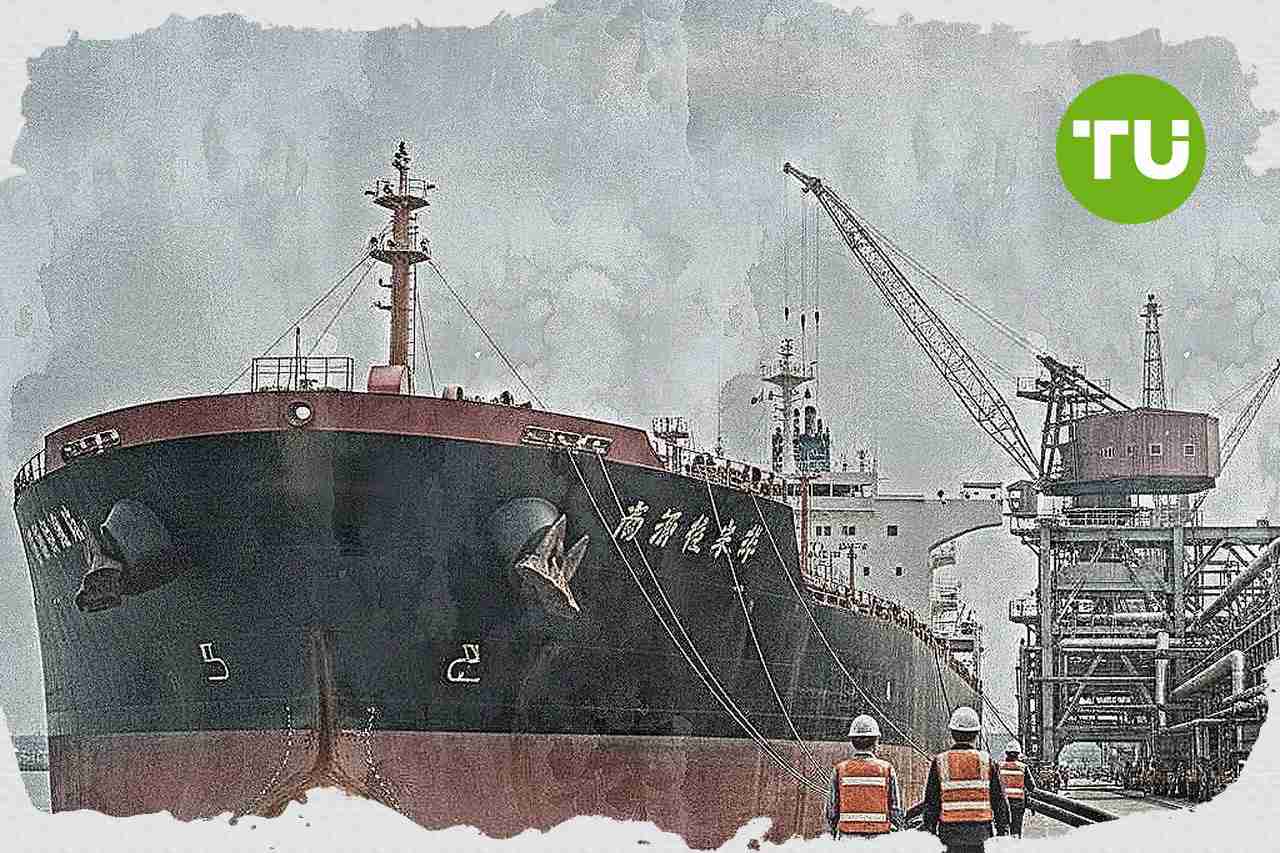
Washington is expanding its campaign to curb Iran's oil revenue by targeting companies, an executive and a vessel tied to petroleum shipments. The move marks the 12th round of sanctions on Iranian oil sales since National Security Presidential Memorandum 2 was issued on February 4, 2025.
Highlights
- U.S. sanctioned China-based Qingdao Haiye Oil Terminal Co., Ltd., UK-based Thriving Times International, Hong Kong-based Onboard Ship Management, and vessel NEW FUSION over Iran oil trade under Executive Order 13846.
- Qingdao Haiye imported tens of millions of barrels of Iranian crude in 2025 via ship-to-ship transfers near Singapore, while NEW FUSION and OUREA handled Iranian petroleum loads in 2024–2025.
- All U.S. assets of designated parties are blocked, transactions with U.S. persons are prohibited, and entities majority-owned by blocked parties also face restrictions.
Sanctions target terminal operator and vessel managers
As reported by the U.S. Department of State, the latest measures designate China-based Qingdao Haiye Oil Terminal Co., Ltd., its president Xinchun Li, UK-based commercial manager Thriving Times International Co Ltd, Hong Kong-based Onboard Ship Management Limited, and the vessel NEW FUSION under Executive Order 13846.The State Department says Qingdao Haiye has imported tens of millions of barrels of Iranian-origin crude oil in 2025 through its terminal in the Qingdao Huangdao port area of Shandong province. It says the terminal received cargoes from vessels involved in illicit ship-to-ship transfers off Singapore's eastern outside port limits, an area identified as a hotspot for such activity involving Iranian crude.
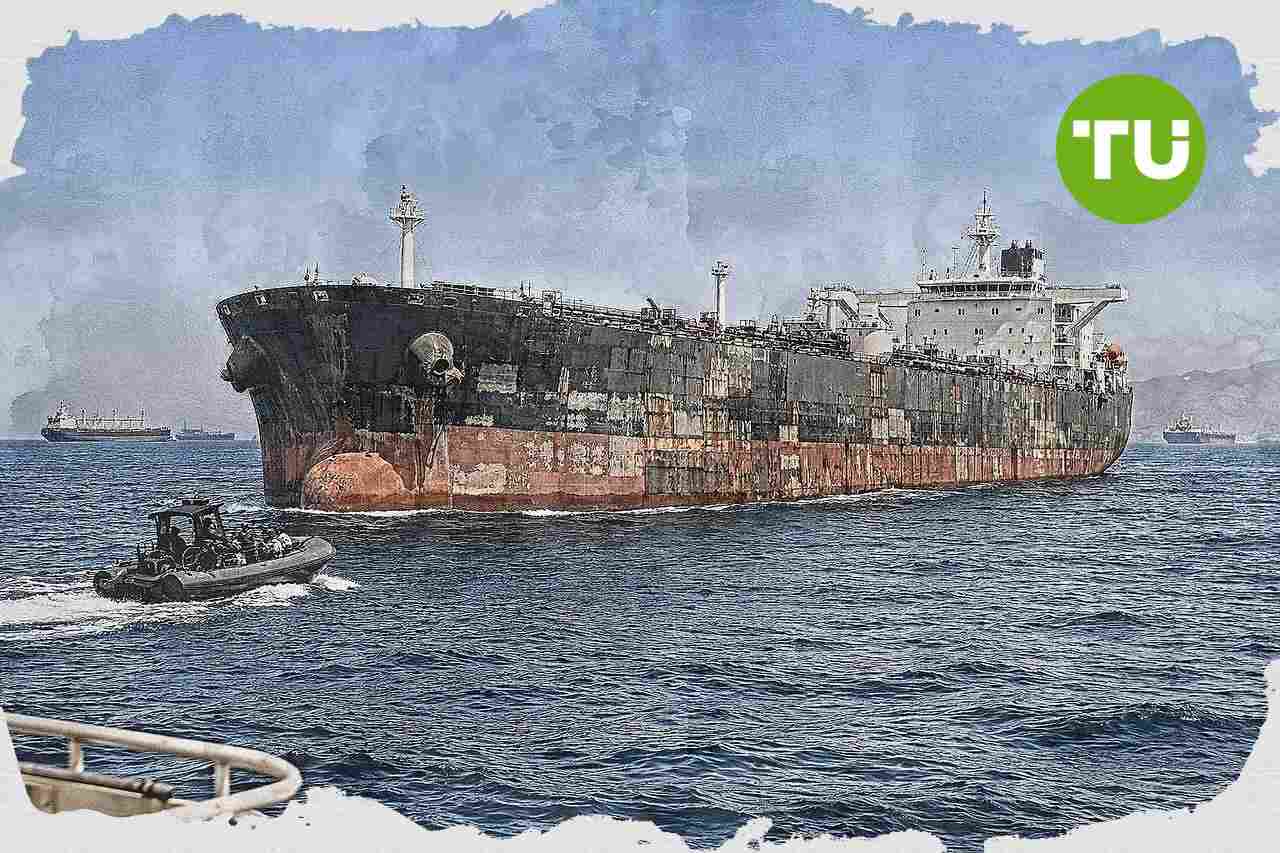
Washington also says Thriving Times managed NEW FUSION, a Panama-flagged tanker that loaded Iranian petroleum products in April 2025 and had transported Iran-origin petrochemical products in 2024. Onboard Ship Management is designated for acting as technical and ISM manager for the U.S.-sanctioned LPG tanker OUREA during loading from Asaluyeh, Iran, in October 2025.
Pressure campaign broadens compliance risks
The U.S. says Iran's petroleum exports remain a critical economic lifeline for activities it describes as destabilizing, and that terminal operators in China and shipping intermediaries in multiple jurisdictions are key conduits for moving sanctioned oil to end users. It says these networks rely on dark activity, deceptive shipping practices and sanctions-evasion tactics that also raise risks for legitimate maritime trade.Under the measures, all property and interests in property of the designated persons that are in the United States or in the possession or control of U.S. persons are blocked and must be reported to the Treasury Department's Office of Foreign Assets Control. Transactions by U.S. persons, or within or transiting the United States, involving blocked parties are generally prohibited unless authorized or exempt, and entities owned 50% or more by blocked persons are also subject to blocking.
Our earlier coverage on OFAC sanctions against Iranian exchange houses explained how U.S. authorities targeted three currency exchange firms, related individuals and front companies accused of helping convert overseas oil revenues into usable foreign currencies. The report highlighted how these networks allegedly support Iran’s sanctions evasion and military-linked financing, and it outlined the compliance risks for both U.S. and non-U.S. market participants dealing with blocked parties.













-
 Afghanistan
-
 Albania
-
 Algeria
-
 Angola
-
 Argentina
-
 Armenia
-
 Australia
-
 Austria
-
 Azerbaijan
-
 Bahamas
-
 Bahrain
-
 Bangladesh
-
 Belarus
-
 Belgium
-
 Bolivia
-
 Botswana
-
 Brazil
-
 Brunei
-
 Bulgaria
-
 Cambodia
-
 Cameroon
-
 Canada
-
 Chile
Chile
-
 China
China
-
 Colombia
-
 Congo
Congo
-
 Costa Rica
-
 Cote d'Ivoire
-
 Croatia
-
 Cuba
Cuba
-
 Cyprus
-
 Czechia
-
 DR Congo
-
 Denmark
-
 Dominican Republic
-
 Ecuador
-
 Egypt
Egypt
-
 El Salvador
-
 Estonia
-
 Eswatini
-
 Ethiopia
-
 Finland
-
 France
-
 Georgia
-
 Germany
-
 Ghana
Ghana
-
 Greece
-
 Haiti
Haiti
-
 Hong Kong
-
 Hungary
-
 India
India
-
 Indonesia
-
 Iran, Islamic republic
-
 Iraq
Iraq
-
 Ireland
-
 Israel
-
 Italy
Italy
-
 Jamaica
-
 Japan
Japan
-
 Jordan
-
 Kazakhstan
-
 Kenya
Kenya
-
 Korea
Korea
-
 Kuwait
-
 Kyrgyzstan
-
 Laos
Laos
-
 Latvia
-
 Lebanon
-
 Lesotho
-
 Libya
Libya
-
 Lithuania
-
 Luxembourg
-
 Madagascar
-
 Malaysia
-
 Malta
Malta
-
 Mauritius
-
 Mexico
-
 Moldova
-
 Mongolia
-
 Montenegro
-
 Morocco
-
 Mozambique
-
 Myanmar
-
 Namibia
-
 Nepal
Nepal
-
 Netherlands
-
 New Zealand
-
 Nigeria
-
 North Macedonia
-
 Norway
-
 Oman
Oman
-
 Pakistan
-
 Palestine
-
 Panama
-
 Papua New Guinea
-
 Paraguay
-
 Peru
Peru
-
 Philippines
-
 Poland
-
 Portugal
-
 Puerto Rico
-
 Qatar
Qatar
-
 Reunion
-
 Romania
-
 Rwanda
-
 Saudi Arabia
-
 Serbia
-
 Singapore
-
 Slovakia
-
 Slovenia
-
 Somalia
-
 South Africa
-
 Spain
Spain
-
 Sri Lanka
-
 Sweden
-
 Switzerland
-
 Syria
Syria
-
 Taiwan
-
 Tajikistan
-
 Tanzania
-
 Thailand
-
 Trinidad and Tobago
-
 Tunisia
-
 Turkey
-
 UAE
UAE
-
 Uganda
-
 Ukraine
-
 United Kingdom
-
United States
-
 Uruguay
-
 Uzbekistan
-
 Venezuela
-
 Vietnam
-
 Yemen
Yemen
-
 Zambia
-
 Zimbabwe
- Forex
- Crypto











