
U.S. farm share of domestic food spending stays at 11.8 cents per dollar
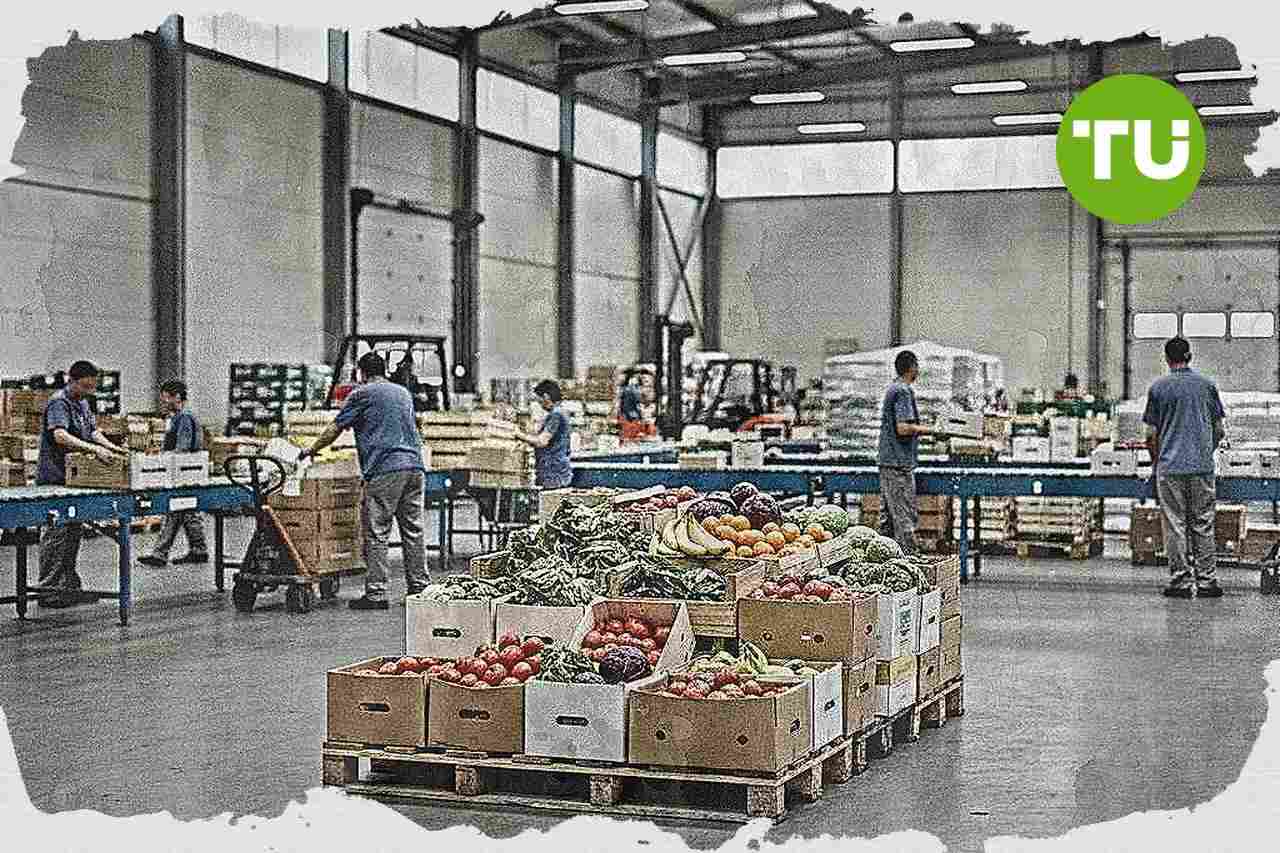
Long-running U.S. food spending trends continue to show that farmers capture a small portion of what consumers pay for domestically produced food. In 2024, farms receive 11.8 cents of each dollar, while the rest goes to marketing, processing, transportation, and other supply chain costs.
Highlights
- Farms received 11.8 cents per dollar spent on domestically produced food in 2024, leaving 88.2 cents for marketing and distribution costs.
- The persistent revenue split indicates a majority of U.S. food spending continues to occur beyond the farm level, impacting farm income and food pricing dynamics.
- The USDA School Breakfast Program served nearly 68 billion meals between 1975 and 2024, highlighting its scale and significance for child nutrition and food access.
USDA data highlights farm revenue split
As reported by the Economic Research Service, the latest Chart of Note shows that farms receive 11.8 cents for every dollar spent on domestically produced food in 2024. The remaining 88.2 cents goes to marketing and other costs tied to bringing food from farms to consumers.The figures point to a persistent structure in the U.S. food economy, where a large share of consumer spending is absorbed beyond the farm gate. The research also breaks down how this pattern has changed over time and signals possible implications for farm income and food prices.
School breakfast program underscores USDA nutrition reach
A separate Chart of Note highlights the scale of the USDA School Breakfast Program, which serves nearly 68 billion meals from 1975 through 2024. The program is designed to improve child nutrition and reduce hunger by providing free or reduced-price meals to eligible families.The long-term meal count underscores the program's national role in supporting access to food for school-age children. It also reflects the continuing importance of federal nutrition programs within the broader U.S. agriculture and food policy framework.
Our earlier article on Palantir’s $300 million USDA agreement explained how the company secured a multi-year deal to modernize farm-facing services, alongside other major contract wins that drew investor attention ahead of its Q1 2026 earnings. We also noted that while PLTR showed short-term bullish momentum, technical indicators pointed to potential exhaustion and a likely period of sideways consolidation as markets weighed fundamentals against overbought signals.


Latest Government News







-
 Afghanistan
-
 Albania
-
 Algeria
-
 Angola
-
 Argentina
-
 Armenia
-
 Australia
-
 Austria
-
 Azerbaijan
-
 Bahamas
-
 Bahrain
-
 Bangladesh
-
 Belarus
-
 Belgium
-
 Bolivia
-
 Botswana
-
 Brazil
-
 Brunei
-
 Bulgaria
-
 Cambodia
-
 Cameroon
-
 Canada
-
 Chile
Chile
-
 China
China
-
 Colombia
-
 Congo
Congo
-
 Costa Rica
-
 Cote d'Ivoire
-
 Croatia
-
 Cuba
Cuba
-
 Cyprus
-
 Czechia
-
 DR Congo
-
 Denmark
-
 Dominican Republic
-
 Ecuador
-
 Egypt
Egypt
-
 El Salvador
-
 Estonia
-
 Eswatini
-
 Ethiopia
-
 Finland
-
 France
-
 Georgia
-
 Germany
-
 Ghana
Ghana
-
 Greece
-
 Haiti
Haiti
-
 Hong Kong
-
 Hungary
-
 India
India
-
 Indonesia
-
 Iran, Islamic republic
-
 Iraq
Iraq
-
 Ireland
-
 Israel
-
 Italy
Italy
-
 Jamaica
-
 Japan
Japan
-
 Jordan
-
 Kazakhstan
-
 Kenya
Kenya
-
 Korea
Korea
-
 Kuwait
-
 Kyrgyzstan
-
 Laos
Laos
-
 Latvia
-
 Lebanon
-
 Lesotho
-
 Libya
Libya
-
 Lithuania
-
 Luxembourg
-
 Madagascar
-
 Malaysia
-
 Malta
Malta
-
 Mauritius
-
 Mexico
-
 Moldova
-
 Mongolia
-
 Montenegro
-
 Morocco
-
 Mozambique
-
 Myanmar
-
 Namibia
-
 Nepal
Nepal
-
 Netherlands
-
 New Zealand
-
 Nigeria
-
 North Macedonia
-
 Norway
-
 Oman
Oman
-
 Pakistan
-
 Palestine
-
 Panama
-
 Papua New Guinea
-
 Paraguay
-
 Peru
Peru
-
 Philippines
-
 Poland
-
 Portugal
-
 Puerto Rico
-
 Qatar
Qatar
-
 Reunion
-
 Romania
-
 Rwanda
-
 Saudi Arabia
-
 Serbia
-
 Singapore
-
 Slovakia
-
 Slovenia
-
 Somalia
-
 South Africa
-
 Spain
Spain
-
 Sri Lanka
-
 Sweden
-
 Switzerland
-
 Syria
Syria
-
 Taiwan
-
 Tajikistan
-
 Tanzania
-
 Thailand
-
 Trinidad and Tobago
-
 Tunisia
-
 Turkey
-
 UAE
UAE
-
 Uganda
-
 Ukraine
-
 United Kingdom
-
United States
-
 Uruguay
-
 Uzbekistan
-
 Venezuela
-
 Vietnam
-
 Yemen
Yemen
-
 Zambia
-
 Zimbabwe
- Forex
- Crypto











