
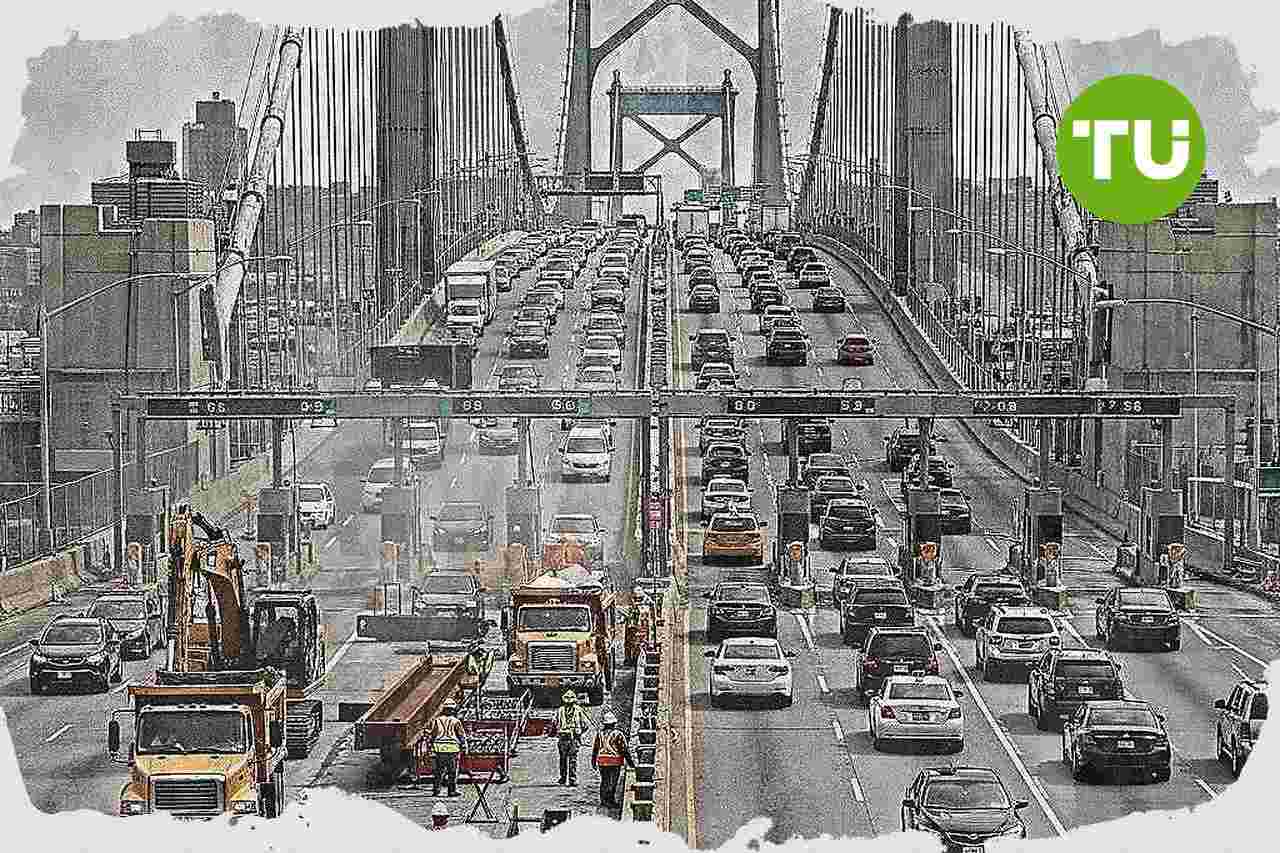
New York's Triborough Bridge and Tunnel Authority is moving ahead with a new bond sale as it funds bridge and tunnel projects and refinances existing debt. The planned issuance includes about $525 million of new-money bonds and about $400 million of refunding bonds, with a Stable outlook supporting the credit profile.
Highlights
- Fitch Ratings assigned 'AA-' with Stable Outlook to TBTA's $525 million 2026A-1 and $400 million 2026A-2 general revenue bonds, citing essential assets and toll-increase authority.
- 2026A-1 bonds will finance MTA Bridges and Tunnels capital projects, while 2026A-2 bonds refund existing debt, with pricing scheduled for the week of May 18.
- TBTA's preliminary 2025 debt service coverage ratios were 2.8x (senior) and 2.7x (total), but liquidity remains pressured by MTA surplus transfers and future borrowing needs.
Bond issuance and rating rationale
As reported by Fitch Ratings, the agency assigns a 'AA-' rating to Triborough Bridge and Tunnel Authority's approximately $525 million general revenue subseries 2026A-1 bonds and approximately $400 million general revenue refunding subseries 2026A-2 bonds, with a Stable Rating Outlook.Fitch says the rating reflects the essential role of TBTA's bridge and tunnel system in the New York metropolitan region, supporting long-term traffic stability and limited demand elasticity. The agency also points to the authority's strong ability to raise tolls above inflation, backed by a record of increases over the past decade and plans to continue biennial rate hikes.
The 2026A-1 bonds are set to finance bridge and tunnel projects in MTA Bridges and Tunnels' approved capital programs and cover issuance costs. The 2026A-2 bonds are set to refund certain outstanding general revenue bonds and also cover issuance costs, with pricing through a negotiated sale in the week of May 18.
Liquidity pressure and regional credit implications
Fitch projects a robust 10-year average senior debt service coverage ratio for TBTA, while noting that the system's financial profile remains constrained by required surplus transfers to the Metropolitan Transportation Authority. Those transfers support MTA operations but continue to pressure TBTA's liquidity and increase its reliance on future borrowing for a large, mostly debt-funded capital program.The agency says TBTA's debt structure benefits bondholders because debt service is paid before surplus revenues are transferred to the MTA. It adds that unrestricted cash and investments, pay-go funds, and the reconstruction reserve help offset the absence of debt service reserve funds, while fully amortizing debt and minimal unhedged variable-rate exposure support the credit profile.
TBTA's preliminary unaudited 2025 senior and total debt service coverage ratios were 2.8x and 2.7x, respectively. Fitch says negative rating pressure could emerge if operating performance weakens or additional borrowing pushes senior coverage meaningfully below 2.0x or total coverage below 1.7x for a sustained period, and it also flags a measurable and sustained decline in traffic and revenue linked to the MTA's Congestion Relief Zone as a downgrade risk.
In our earlier article on Fitch Ratings’ affirmation of AIB Group plc and Bank of Ireland Group plc, we covered how the agency maintained both banks’ ratings after updating its bank-rating criteria as part of a broader regional review. We noted that Fitch pointed to robust liquidity, satisfactory regulatory capital buffers, and resilient core balance sheets, while also flagging Ireland’s ongoing economic recovery as a key support for a stable sector outlook.





Latest Transportation News







-
 Afghanistan
-
 Albania
-
 Algeria
-
 Angola
-
 Argentina
-
 Armenia
-
 Australia
-
 Austria
-
 Azerbaijan
-
 Bahamas
-
 Bahrain
-
 Bangladesh
-
 Belarus
-
 Belgium
-
 Bolivia
-
 Botswana
-
 Brazil
-
 Brunei
-
 Bulgaria
-
 Cambodia
-
 Cameroon
-
 Canada
-
 Chile
Chile
-
 China
China
-
 Colombia
-
 Congo
Congo
-
 Costa Rica
-
 Cote d'Ivoire
-
 Croatia
-
 Cuba
Cuba
-
 Cyprus
-
 Czechia
-
 DR Congo
-
 Denmark
-
 Dominican Republic
-
 Ecuador
-
 Egypt
Egypt
-
 El Salvador
-
 Estonia
-
 Eswatini
-
 Ethiopia
-
 Finland
-
 France
-
 Georgia
-
 Germany
-
 Ghana
Ghana
-
 Greece
-
 Haiti
Haiti
-
 Hong Kong
-
 Hungary
-
 India
India
-
 Indonesia
-
 Iran, Islamic republic
-
 Iraq
Iraq
-
 Ireland
-
 Israel
-
 Italy
Italy
-
 Jamaica
-
 Japan
Japan
-
 Jordan
-
 Kazakhstan
-
 Kenya
Kenya
-
 Korea
Korea
-
 Kuwait
-
 Kyrgyzstan
-
 Laos
Laos
-
 Latvia
-
 Lebanon
-
 Lesotho
-
 Libya
Libya
-
 Lithuania
-
 Luxembourg
-
 Madagascar
-
 Malaysia
-
 Malta
Malta
-
 Mauritius
-
 Mexico
-
 Moldova
-
 Mongolia
-
 Montenegro
-
 Morocco
-
 Mozambique
-
 Myanmar
-
 Namibia
-
 Nepal
Nepal
-
 Netherlands
-
 New Zealand
-
 Nigeria
-
 North Macedonia
-
 Norway
-
 Oman
Oman
-
 Pakistan
-
 Palestine
-
 Panama
-
 Papua New Guinea
-
 Paraguay
-
 Peru
Peru
-
 Philippines
-
 Poland
-
 Portugal
-
 Puerto Rico
-
 Qatar
Qatar
-
 Reunion
-
 Romania
-
 Rwanda
-
 Saudi Arabia
-
 Serbia
-
 Singapore
-
 Slovakia
-
 Slovenia
-
 Somalia
-
 South Africa
-
 Spain
Spain
-
 Sri Lanka
-
 Sweden
-
 Switzerland
-
 Syria
Syria
-
 Taiwan
-
 Tajikistan
-
 Tanzania
-
 Thailand
-
 Trinidad and Tobago
-
 Tunisia
-
 Turkey
-
 UAE
UAE
-
 Uganda
-
 Ukraine
-
 United Kingdom
-
United States
-
 Uruguay
-
 Uzbekistan
-
 Venezuela
-
 Vietnam
-
 Yemen
Yemen
-
 Zambia
-
 Zimbabwe
- Forex
- Crypto












