
California gasoline market faces pressure as India cuts alkylate exports
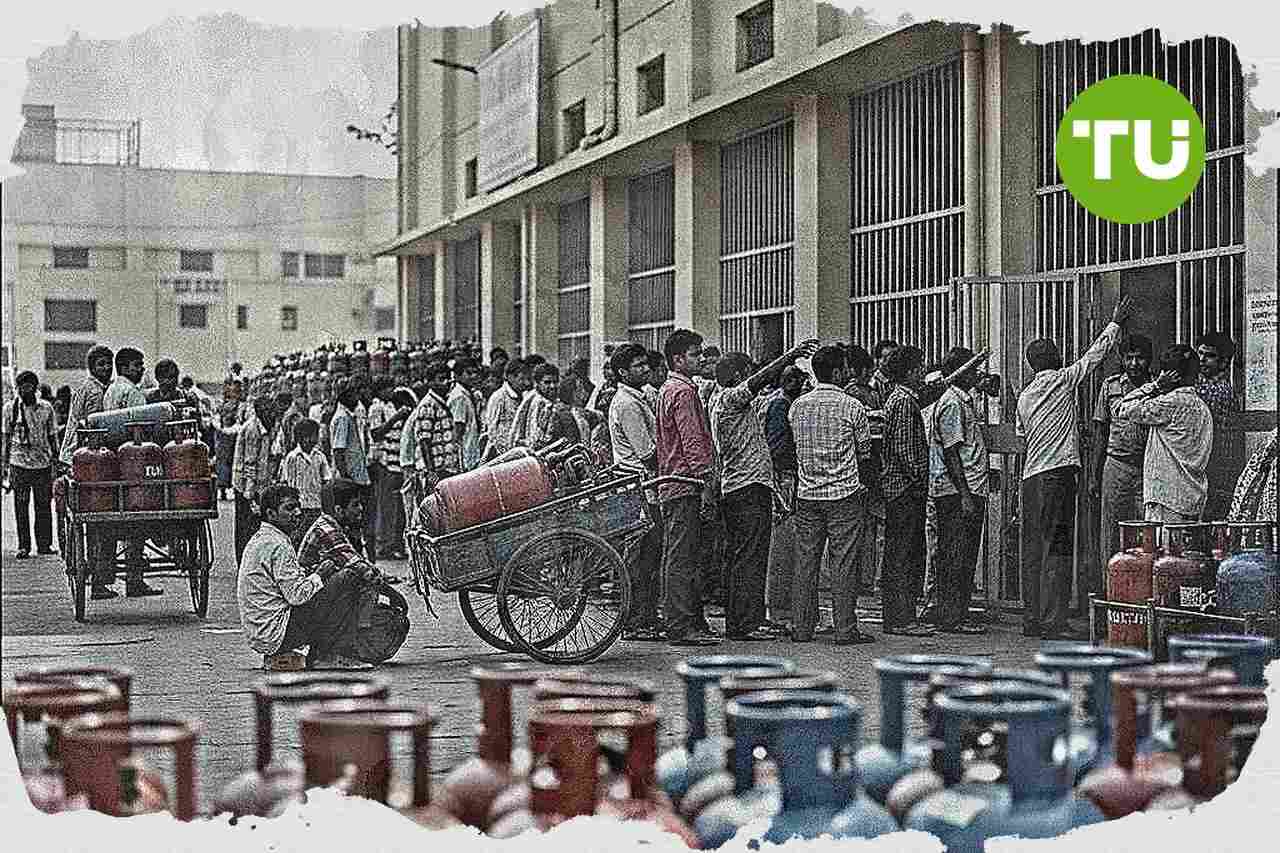
Global fuel disruption linked to the U.S.-Israeli war with Iran is tightening supply chains from Indian cooking gas to California gasoline. The strain is raising costs for motorists in the most populous U.S. state while forcing Indian refiners to prioritize liquefied petroleum gas over fuel additives.
Highlights
- India's alkylate exports dropped to 33,000 barrels per day in April from 61,000 barrels per day in March, the lowest since October 2023.
- Reliance reduced alkylate output to prioritize LPG production in response to an LPG supply crunch caused by Hormuz disruption.
- California gasoline market faces potential pressure as India's export cuts tighten global alkylate supply used for gasoline blending.
Hormuz disruption reshapes fuel flows
As reported by Reuters, Iran's near-closure of the Strait of Hormuz is throwing global oil trade into disarray by restricting access to roughly one-fifth of global oil supply that moved through the waterway before the war.India, which relies on liquefied petroleum gas as its main cooking fuel, is especially exposed because more than 90% of its LPG imports came from the Middle East before the conflict. New Delhi has directed refiners to maximize LPG output, pushing them to cut production of alkylates, a gasoline blending component made using LPG feedstock.
Reliance, which operates the world's largest refinery in Jamnagar, Gujarat, says this month it is reducing alkylate output and exports to increase LPG production. India's total alkylate exports fall to 33,000 barrels per day in April, about half of March's 61,000 barrels per day and the lowest since October 2023.
The LPG shortage in India leaves little room to preserve exports. People are queuing for hours for LPG cylinders, with some turned away and forced into the black market, while restaurants and other businesses warn they could be forced to shut.
Our earlier coverage of oil’s surge focused on markets pricing in escalating risks tied to Iran and the Strait of Hormuz, with Brent and WTI jumping as investors added a geopolitical risk premium. We noted that even the threat of disrupted tanker flows through this chokepoint can quickly tighten supply expectations, lift transport and insurance costs, and revive broader inflation concerns.







-
 Afghanistan
-
 Albania
-
 Algeria
-
 Angola
-
 Argentina
-
 Armenia
-
 Australia
-
 Austria
-
 Azerbaijan
-
 Bahamas
-
 Bahrain
-
 Bangladesh
-
 Belarus
-
 Belgium
-
 Bolivia
-
 Botswana
-
 Brazil
-
 Brunei
-
 Bulgaria
-
 Cambodia
-
 Cameroon
-
 Canada
-
 Chile
Chile
-
 China
China
-
 Colombia
-
 Congo
Congo
-
 Costa Rica
-
 Cote d'Ivoire
-
 Croatia
-
 Cuba
Cuba
-
 Cyprus
-
 Czechia
-
 DR Congo
-
 Denmark
-
 Dominican Republic
-
 Ecuador
-
 Egypt
Egypt
-
 El Salvador
-
 Estonia
-
 Eswatini
-
 Ethiopia
-
 Finland
-
 France
-
 Georgia
-
 Germany
-
 Ghana
Ghana
-
 Greece
-
 Haiti
Haiti
-
 Hong Kong
-
 Hungary
-
 India
India
-
 Indonesia
-
 Iran, Islamic republic
-
 Iraq
Iraq
-
 Ireland
-
 Israel
-
 Italy
Italy
-
 Jamaica
-
 Japan
Japan
-
 Jordan
-
 Kazakhstan
-
 Kenya
Kenya
-
 Korea
Korea
-
 Kuwait
-
 Kyrgyzstan
-
 Laos
Laos
-
 Latvia
-
 Lebanon
-
 Lesotho
-
 Libya
Libya
-
 Lithuania
-
 Luxembourg
-
 Madagascar
-
 Malaysia
-
 Malta
Malta
-
 Mauritius
-
 Mexico
-
 Moldova
-
 Mongolia
-
 Montenegro
-
 Morocco
-
 Mozambique
-
 Myanmar
-
 Namibia
-
 Nepal
Nepal
-
 Netherlands
-
 New Zealand
-
 Nigeria
-
 North Macedonia
-
 Norway
-
 Oman
Oman
-
 Pakistan
-
 Palestine
-
 Panama
-
 Papua New Guinea
-
 Paraguay
-
 Peru
Peru
-
 Philippines
-
 Poland
-
 Portugal
-
 Puerto Rico
-
 Qatar
Qatar
-
 Reunion
-
 Romania
-
 Rwanda
-
 Saudi Arabia
-
 Serbia
-
 Singapore
-
 Slovakia
-
 Slovenia
-
 Somalia
-
 South Africa
-
 Spain
Spain
-
 Sri Lanka
-
 Sweden
-
 Switzerland
-
 Syria
Syria
-
 Taiwan
-
 Tajikistan
-
 Tanzania
-
 Thailand
-
 Trinidad and Tobago
-
 Tunisia
-
 Turkey
-
 UAE
UAE
-
 Uganda
-
 Ukraine
-
 United Kingdom
-
United States
-
 Uruguay
-
 Uzbekistan
-
 Venezuela
-
 Vietnam
-
 Yemen
Yemen
-
 Zambia
-
 Zimbabwe
- Forex
- Crypto











