

U.S. military strategy on Iran faces scrutiny as strike threats fail to win concessions
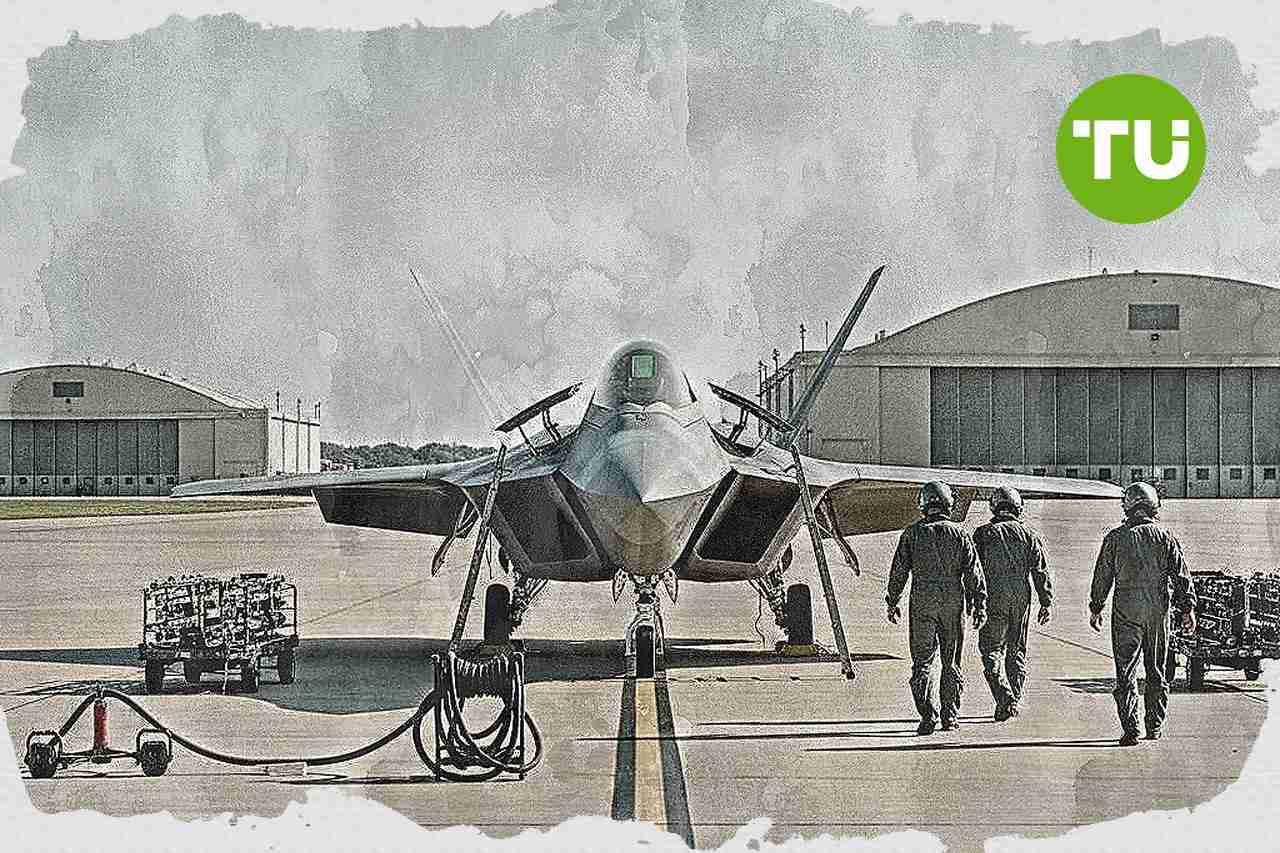
Washington’s pressure campaign against Iran is drawing renewed scrutiny as repeated U.S. strike threats fail to produce visible concessions. The debate extends beyond Donald Trump’s current approach and raises broader questions about the long-standing U.S. reliance on military force as a tool of foreign policy.
Highlights
- Financial Times argues Trump's Iran strategy repeats U.S. errors by overestimating military leverage despite historical setbacks in Vietnam, Afghanistan, and Iraq.
- Trump cancelled planned strikes on Monday to allow Pakistan-mediated talks, underscoring the recurring cycle between military threats and stalled diplomatic progress.
- The article contends that sustainable outcomes, as achieved in the 2015 Iran nuclear deal, require extended diplomacy over force, with current U.S. policy risking further strategic failure.
Historical parallels shape criticism
As reported by Financial Times, the central critique is that Trump’s approach to Iran follows a familiar U.S. pattern of equating battlefield strength with political leverage. The argument is that military superiority can destroy targets and senior leadership figures, yet still fail to impose outcomes on adversaries abroad.The piece draws parallels with the Vietnam war, where Pentagon metrics such as kill ratios were presented as evidence of progress even as the political balance shifted against Washington. It also compares Trump’s threats and Operation Epic Fury with earlier campaigns including Operation Rolling Thunder, suggesting that the emphasis remains on precision, lethality and visible destruction rather than on securing durable diplomatic results.
The same logic is extended to Afghanistan and Iraq, where U.S. military advantages did not prevent costly strategic setbacks. In that framing, the immediate weakness of the current Iran policy is not an exception but a more visible version of a recurring American error.
Diplomacy seen as the practical exit
The article says Trump has at times recognised the limits of military intervention, notably through his past criticism of the Iraq war, but is now returning to the same pattern he once denounced. It argues that his rhetoric moves between declarations of victory, pressure tactics in negotiations and demands for unconditional surrender, without resolving the core diplomatic challenge.A key example is his reported decision on Monday to call off a further wave of strikes on Iran that had been scheduled for Tuesday, in order to give Pakistan-mediated talks another chance. The analysis contrasts that move with the long timeline of the 2015 Iran nuclear deal under Barack Obama, arguing that a serious agreement required 20 months of negotiation and could not realistically be replicated within days by less experienced officials.
The broader conclusion is that diplomacy remains the more effective first resort for U.S. policy, especially as Washington navigates a more competitive global environment shaped by China and renewed debate over American power. In that view, the strategic risk for the U.S. is not only the immediate Iran standoff, but a continued failure to adapt its foreign policy beyond repeated reliance on military force.
In our earlier report on oil markets after Trump postponed a planned strike on Iran, we noted that crude prices dipped as traders read the move as a short-term easing of geopolitical risk rather than a resolution. The article highlighted that the war premium remained in place because Washington kept the military option open and the broader U.S.-Iran standoff around the Strait of Hormuz was still highly tense.





Latest Iran war News





-
 Afghanistan
-
 Albania
-
 Algeria
-
 Angola
-
 Argentina
-
 Armenia
-
 Australia
-
 Austria
-
 Azerbaijan
-
 Bahamas
-
 Bahrain
-
 Bangladesh
-
 Belarus
-
 Belgium
-
 Bolivia
-
 Botswana
-
 Brazil
-
 Brunei
-
 Bulgaria
-
 Cambodia
-
 Cameroon
-
 Canada
-
 Chile
Chile
-
 China
China
-
 Colombia
-
 Congo
Congo
-
 Costa Rica
-
 Cote d'Ivoire
-
 Croatia
-
 Cuba
Cuba
-
 Cyprus
-
 Czechia
-
 DR Congo
-
 Denmark
-
 Dominican Republic
-
 Ecuador
-
 Egypt
Egypt
-
 El Salvador
-
 Estonia
-
 Eswatini
-
 Ethiopia
-
 Finland
-
 France
-
 Georgia
-
 Germany
-
 Ghana
Ghana
-
 Greece
-
 Haiti
Haiti
-
 Hong Kong
-
 Hungary
-
 India
India
-
 Indonesia
-
 Iran, Islamic republic
-
 Iraq
Iraq
-
 Ireland
-
 Israel
-
 Italy
Italy
-
 Jamaica
-
 Japan
Japan
-
 Jordan
-
 Kazakhstan
-
 Kenya
Kenya
-
 Korea
Korea
-
 Kuwait
-
 Kyrgyzstan
-
 Laos
Laos
-
 Latvia
-
 Lebanon
-
 Lesotho
-
 Libya
Libya
-
 Lithuania
-
 Luxembourg
-
 Madagascar
-
 Malaysia
-
 Malta
Malta
-
 Mauritius
-
 Mexico
-
 Moldova
-
 Mongolia
-
 Montenegro
-
 Morocco
-
 Mozambique
-
 Myanmar
-
 Namibia
-
 Nepal
Nepal
-
 Netherlands
-
 New Zealand
-
 Nigeria
-
 North Macedonia
-
 Norway
-
 Oman
Oman
-
 Pakistan
-
 Palestine
-
 Panama
-
 Papua New Guinea
-
 Paraguay
-
 Peru
Peru
-
 Philippines
-
 Poland
-
 Portugal
-
 Puerto Rico
-
 Qatar
Qatar
-
 Reunion
-
 Romania
-
 Rwanda
-
 Saudi Arabia
-
 Serbia
-
 Singapore
-
 Slovakia
-
 Slovenia
-
 Somalia
-
 South Africa
-
 Spain
Spain
-
 Sri Lanka
-
 Sweden
-
 Switzerland
-
 Syria
Syria
-
 Taiwan
-
 Tajikistan
-
 Tanzania
-
 Thailand
-
 Trinidad and Tobago
-
 Tunisia
-
 Turkey
-
 UAE
UAE
-
 Uganda
-
 Ukraine
-
 United Kingdom
-
United States
-
 Uruguay
-
 Uzbekistan
-
 Venezuela
-
 Vietnam
-
 Yemen
Yemen
-
 Zambia
-
 Zimbabwe
- Forex
- Crypto












