
Markets cling to Trump peace deal signals as Iran war keeps oil volatile
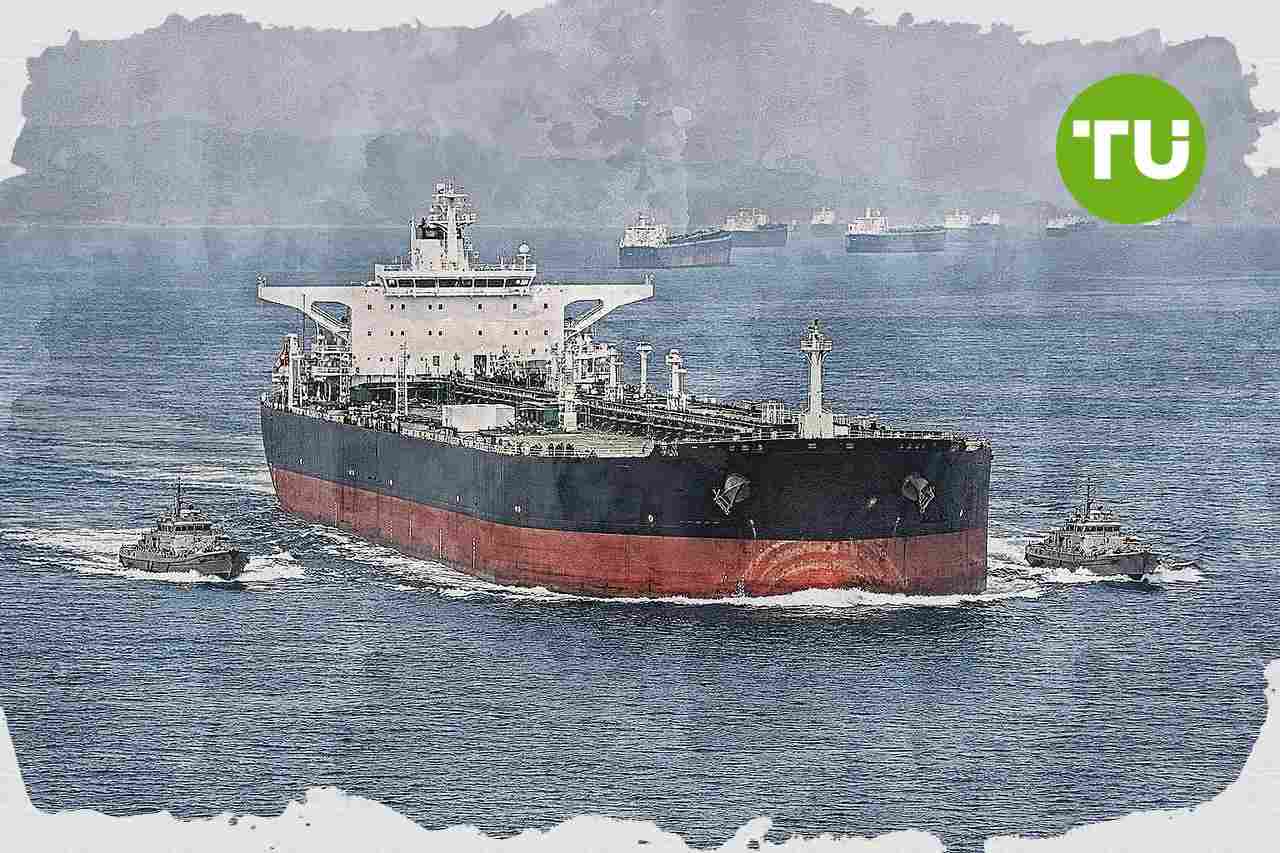
More than 100 days into the conflict, investors are still positioning for a possible diplomatic breakthrough between the U.S. and Iran even as fighting and political tensions continue. That expectation is helping shape moves in stocks and oil because a deal is seen as the most likely path to ending the war and reopening the Strait of Hormuz.
Highlights
- Trump claims a 'very, very good deal' with Iran could be signed in 'two or three days,' causing oil prices to briefly fall before rebounding.
- Persistent signals from Trump of imminent peace—over 30 times in three months—sustain market hopes for an end to the U.S.-Iran conflict.
- Despite a fragile mid-April ceasefire, ongoing military flare-ups, and Israeli attacks on Lebanon, Deutsche Bank sees optimism for a near-term deal driving volatile oil prices.
Trump signals keep driving market expectations
As first reported by CNBC, Trump says this week that a sweeping peace deal with Iran could be signed very soon, extending a pattern of similar statements made repeatedly over nearly three months.A CNBC review of the president’s social media posts and public remarks finds that Trump has signaled or said more than 30 times that an agreement is close. Even without a completed deal, financial markets continue to react to those remarks as traders weigh the possibility of a near-term end to the conflict.
Trump says early Tuesday that the U.S. and Iran could reach a "very, very good deal" in "two or three days." Oil prices fall in the following trading session, although they reverse on Wednesday after Trump vows to attack Iran "very hard" if diplomacy fails.
Oil and regional risk remain in focus
Market sensitivity remains high because the war is already contributing to a global energy supply shock, and the Strait of Hormuz remains a critical shipping route for oil flows. The fragile ceasefire that began in mid-April is initially presented as a route to a final agreement within two weeks, but Washington and Tehran now appear further from a deal than they were at that stage.Peter Boockvar, chief investment officer at One Point BFG Wealth Partners, tells CNBC that the market keeps holding onto hope that the conflict is close to ending. Deutsche Bank researchers say in a June note that, while geopolitical developments are still triggering large oil-price moves, there is some optimism that the U.S. and Iran will reach a peace deal this month.
That view persists even as the uneasy U.S.-Iran truce is repeatedly tested by military flare-ups in the Persian Gulf and as talks face additional pressure from Israel’s attacks in Lebanon. The White House does not immediately respond to CNBC’s request for comment.
Our earlier coverage of Trump’s renewed pressure on Iran detailed how he paired warnings of intensified U.S. strikes with demands for a “meaningful” agreement. We noted that this tougher stance increased uncertainty over whether the confrontation would return to diplomacy or escalate further, keeping regional risk elevated.



Latest DGSFP News







-
 Afghanistan
-
 Albania
-
 Algeria
-
 Angola
-
 Argentina
-
 Armenia
-
 Australia
-
 Austria
-
 Azerbaijan
-
 Bahamas
-
 Bahrain
-
 Bangladesh
-
 Belarus
-
 Belgium
-
 Bolivia
-
 Botswana
-
 Brazil
-
 Brunei
-
 Bulgaria
-
 Cambodia
-
 Cameroon
-
 Canada
-
 Chile
Chile
-
 China
China
-
 Colombia
-
 Congo
Congo
-
 Costa Rica
-
 Cote d'Ivoire
-
 Croatia
-
 Cuba
Cuba
-
 Cyprus
-
 Czechia
-
 DR Congo
-
 Denmark
-
 Dominican Republic
-
 Ecuador
-
 Egypt
Egypt
-
 El Salvador
-
 Estonia
-
 Eswatini
-
 Ethiopia
-
 Finland
-
 France
-
 Georgia
-
 Germany
-
 Ghana
Ghana
-
 Greece
-
 Haiti
Haiti
-
 Hong Kong
-
 Hungary
-
 India
India
-
 Indonesia
-
 Iran, Islamic republic
-
 Iraq
Iraq
-
 Ireland
-
 Israel
-
 Italy
Italy
-
 Jamaica
-
 Japan
Japan
-
 Jordan
-
 Kazakhstan
-
 Kenya
Kenya
-
 Korea
Korea
-
 Kuwait
-
 Kyrgyzstan
-
 Laos
Laos
-
 Latvia
-
 Lebanon
-
 Lesotho
-
 Libya
Libya
-
 Lithuania
-
 Luxembourg
-
 Madagascar
-
 Malaysia
-
 Malta
Malta
-
 Mauritius
-
 Mexico
-
 Moldova
-
 Mongolia
-
 Montenegro
-
 Morocco
-
 Mozambique
-
 Myanmar
-
 Namibia
-
 Nepal
Nepal
-
 Netherlands
-
 New Zealand
-
 Nigeria
-
 North Macedonia
-
 Norway
-
 Oman
Oman
-
 Pakistan
-
 Palestine
-
 Panama
-
 Papua New Guinea
-
 Paraguay
-
 Peru
Peru
-
 Philippines
-
 Poland
-
 Portugal
-
 Puerto Rico
-
 Qatar
Qatar
-
 Reunion
-
 Romania
-
 Rwanda
-
 Saudi Arabia
-
 Serbia
-
 Singapore
-
 Slovakia
-
 Slovenia
-
 Somalia
-
 South Africa
-
 Spain
Spain
-
 Sri Lanka
-
 Sweden
-
 Switzerland
-
 Syria
Syria
-
 Taiwan
-
 Tajikistan
-
 Tanzania
-
 Thailand
-
 Trinidad and Tobago
-
 Tunisia
-
 Turkey
-
 UAE
UAE
-
 Uganda
-
 Ukraine
-
 United Kingdom
-
United States
-
 Uruguay
-
 Uzbekistan
-
 Venezuela
-
 Vietnam
-
 Yemen
Yemen
-
 Zambia
-
 Zimbabwe
- Forex
- Crypto











