
Iran talks ease oil war premium as Trump waits for response
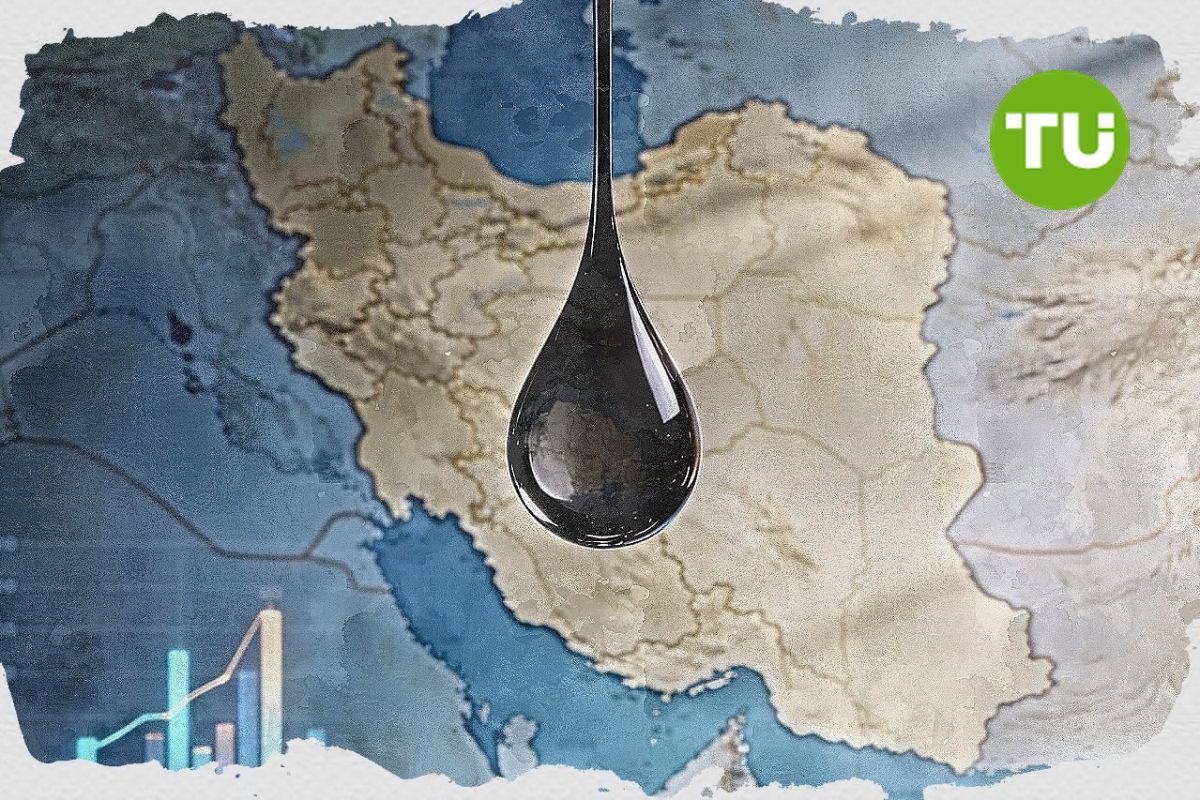
Oil prices moved lower after signs of a possible shift in negotiations between Washington and Tehran. Iran said it is reviewing the latest U.S. proposal, while Donald Trump indicated he is ready to wait a few more days before deciding on further action.
Highlights
- Iran said it is studying the latest U.S. proposal to end the war.
- Trump said he is ready to wait “a few days,” but warned that the U.S. is prepared to act.
- WTI crude fell to $97.48, down 0.79%.
- Brent crude declined to $103.95, down 1.02%.
Talks weigh on oil’s war premium
According to Bloomberg, Iran said Thursday that it is reviewing the Trump administration’s latest proposal to end the war. Iranian Foreign Ministry spokesperson Esmail Baghaei said Tehran had received information from the U.S. side and was studying it. Pakistan reportedly continues to mediate between Washington and Tehran, while Pakistani army chief Asim Munir was expected to travel to Iran as part of those contacts.
For the oil market, the fact that talks are continuing mattered more than the absence of a final agreement. Prices fell: according to the market snapshot, WTI crude traded at $97.48, down $0.78, or 0.79%. Brent crude slipped to $104.95, falling $1.07, or 1.02%.
The market showed similar moves earlier, when Trump said talks with Iran were in the “final stages,” sending oil sharply lower and pushing WTI below $100 a barrel. Analysts still warned that the market remains highly sensitive to any news about negotiations and the Strait of Hormuz.
Hormuz remains the main condition
The talks have entered a difficult phase because of several key demands. Iran wants guarantees that hostilities will stop on all fronts, including Lebanon, as well as the unfreezing of sanctioned assets. The United States is reportedly seeking limits on Iran’s nuclear program, the reopening of the Strait of Hormuz and a broader security agreement.
The Strait of Hormuz remains the main point of leverage. Since U.S. and Israeli strikes against Iran began, shipping through the route has sharply declined, which had previously supported oil prices.
Trump, meanwhile, kept sending a dual signal: he is willing to give diplomacy a little more time, but he has not ruled out swift action if the United States does not receive the “right answers.”
Market gets a pause, not a reversal
The decline in oil does not mean the risk has disappeared. Brent still remains above $100 a barrel, while WTI is near $97-98, keeping pressure on inflation, transport costs and interest-rate expectations. Oil trading also remains volatile as the market reacts to every new signal about a possible U.S.-Iran deal.
If Tehran formally accepts the negotiation framework and signs emerge that Hormuz could reopen, oil may continue to fall. If Iran’s response is again seen as insufficient, the market could quickly rebuild the war premium, especially given the low predictability of decisions in Washington and Tehran.
It was earlier reported that Goldman Sachs sees fastest-ever drawdown in oil stockpiles.





Latest WTI News






-
 Afghanistan
-
 Albania
-
 Algeria
-
 Angola
-
 Argentina
-
 Armenia
-
 Australia
-
 Austria
-
 Azerbaijan
-
 Bahamas
-
 Bahrain
-
 Bangladesh
-
 Belarus
-
 Belgium
-
 Bolivia
-
 Botswana
-
 Brazil
-
 Brunei
-
 Bulgaria
-
 Cambodia
-
 Cameroon
-
 Canada
-
 Chile
Chile
-
 China
China
-
 Colombia
-
 Congo
Congo
-
 Costa Rica
-
 Cote d'Ivoire
-
 Croatia
-
 Cuba
Cuba
-
 Cyprus
-
 Czechia
-
 DR Congo
-
 Denmark
-
 Dominican Republic
-
 Ecuador
-
 Egypt
Egypt
-
 El Salvador
-
 Estonia
-
 Eswatini
-
 Ethiopia
-
 Finland
-
 France
-
 Georgia
-
 Germany
-
 Ghana
Ghana
-
 Greece
-
 Haiti
Haiti
-
 Hong Kong
-
 Hungary
-
 India
India
-
 Indonesia
-
 Iran, Islamic republic
-
 Iraq
Iraq
-
 Ireland
-
 Israel
-
 Italy
Italy
-
 Jamaica
-
 Japan
Japan
-
 Jordan
-
 Kazakhstan
-
 Kenya
Kenya
-
 Korea
Korea
-
 Kuwait
-
 Kyrgyzstan
-
 Laos
Laos
-
 Latvia
-
 Lebanon
-
 Lesotho
-
 Libya
Libya
-
 Lithuania
-
 Luxembourg
-
 Madagascar
-
 Malaysia
-
 Malta
Malta
-
 Mauritius
-
 Mexico
-
 Moldova
-
 Mongolia
-
 Montenegro
-
 Morocco
-
 Mozambique
-
 Myanmar
-
 Namibia
-
 Nepal
Nepal
-
 Netherlands
-
 New Zealand
-
 Nigeria
-
 North Macedonia
-
 Norway
-
 Oman
Oman
-
 Pakistan
-
 Palestine
-
 Panama
-
 Papua New Guinea
-
 Paraguay
-
 Peru
Peru
-
 Philippines
-
 Poland
-
 Portugal
-
 Puerto Rico
-
 Qatar
Qatar
-
 Reunion
-
 Romania
-
 Rwanda
-
 Saudi Arabia
-
 Serbia
-
 Singapore
-
 Slovakia
-
 Slovenia
-
 Somalia
-
 South Africa
-
 Spain
Spain
-
 Sri Lanka
-
 Sweden
-
 Switzerland
-
 Syria
Syria
-
 Taiwan
-
 Tajikistan
-
 Tanzania
-
 Thailand
-
 Trinidad and Tobago
-
 Tunisia
-
 Turkey
-
 UAE
UAE
-
 Uganda
-
 Ukraine
-
 United Kingdom
-
United States
-
 Uruguay
-
 Uzbekistan
-
 Venezuela
-
 Vietnam
-
 Yemen
Yemen
-
 Zambia
-
 Zimbabwe
- Forex
- Crypto











