
Supertankers carrying 6 million barrels of oil pass through Strait of Hormuz
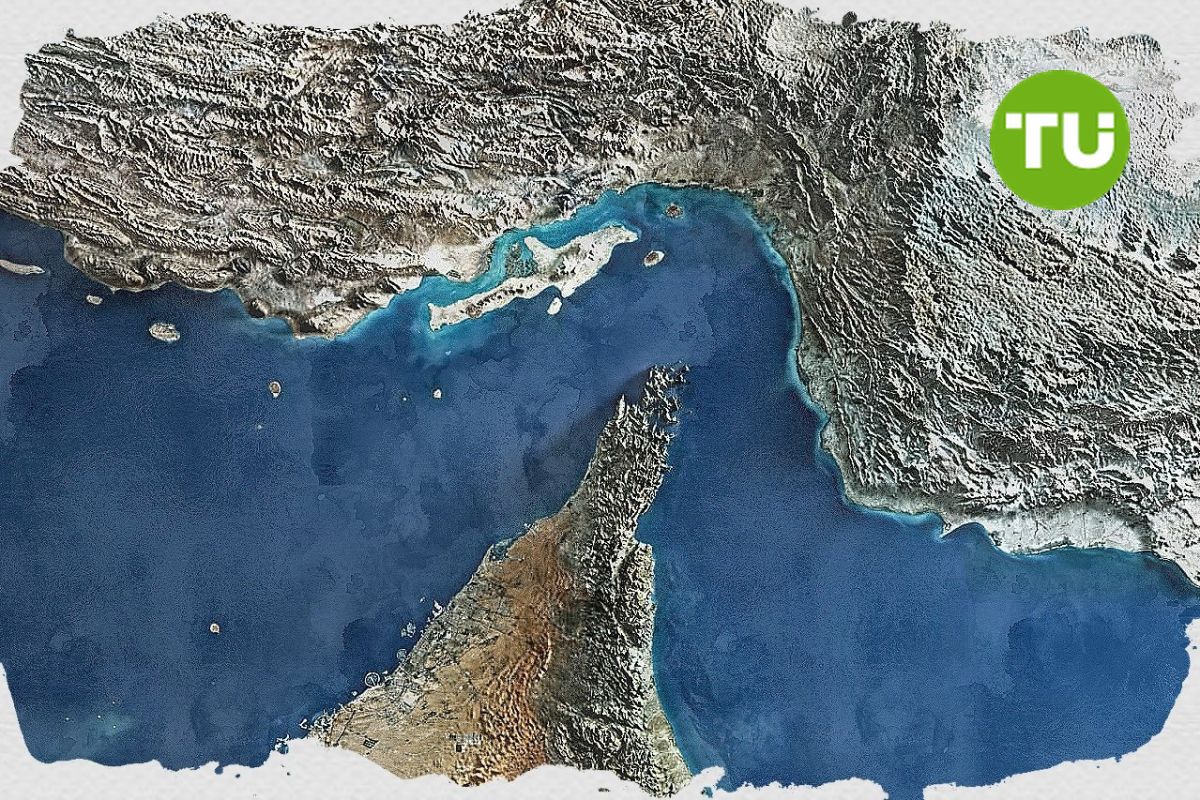
Three supertankers carrying Middle Eastern oil passed through the Strait of Hormuz on Wednesday, heading toward Asian markets. Before that, the vessels had waited in the Persian Gulf for more than two months, carrying a total of about 6 million barrels of crude oil, according to data from LSEG and Kpler.
Reuters reported that the vessels are part of a small group of supertankers leaving the Persian Gulf this month via a transit route that Iran has ordered shipping companies to use.
According to ship-tracking data, the South Korean VLCC supertanker Universal Winner, carrying 2 million barrels of Kuwaiti crude loaded on March 4, was exiting the strait after two Chinese tankers. Kpler data showed that the vessel is heading to Ulsan, home to South Korea’s largest refiner, SK Energy. The cargo is expected to be discharged on June 9.
What traffic through the Strait of Hormuz looked like
Before the war began, average traffic through the Strait of Hormuz stood at 125–140 vessel passages per day. Now, hundreds of vessels remain blocked inside the Persian Gulf, with around 20,000 seafarers on board.
In recent days, traffic through the strait has fallen to roughly 10 vessels in both directions per day. These have included cargo ships, chemical tankers and liquefied petroleum gas carriers, while oil tankers still account for only a small share of the overall traffic.
Around 10 vessels crossed the strait over the past 24 hours, including small cargo ships and a chemical tanker entering the Persian Gulf, according to Kpler data and satellite analysis from SynMax.
On Tuesday, the U.S. Navy-led Joint Maritime Information Center said the operating environment in the region remains high risk due to recent attacks on ships. The center also noted several cases of aggressive radio hailing and assertive action by Iranian units over the past 48 hours.
On Wednesday, shipping industry associations issued new guidance for vessels planning to pass through the Strait of Hormuz. The document listed multiple navigational risks, including the threat of attacks, drones and mines, as well as unpredictable congestion and reduced military oversight.
The associations warned that hundreds of vessels are still unable to transit the Strait of Hormuz. If navigation conditions begin to return to normal, the simultaneous movement of a large number of vessels through the strait could create a serious navigational hazard.
Oil for China
Among the Chinese tankers leaving the region is the China-flagged VLCC Yuan Gui Yang. It loaded 2 million barrels of Iraqi Basrah crude on February 27, one day before the start of the U.S.-Israeli war against Iran. The vessel, chartered by Unipec — the trading arm of Asia’s largest refiner, Sinopec — exited the strait on Wednesday and is expected to arrive at Shuidong Port in southern China’s Guangdong province on June 4.
Another tanker, the Hong Kong-flagged Ocean Lily, loaded 1 million barrels each of Qatari al-Shaheen crude and Iraqi Basrah crude in late February and early March. The vessel, owned by China’s Sinochem, is expected to arrive at Quanzhou Port in Fujian province on June 5.
Sinopec, Sinochem and Cosco Shipping, which own and manage Yuan Gui Yang, did not respond to requests for comment.
Last week, the tanker Yuan Hua Hu exited the Strait of Hormuz with 2 million barrels of Iraqi oil and headed for China’s Zhoushan Port.
Separately, LSEG data showed that the Cyprus-flagged VLCC Grand Lady entered the Strait of Hormuz with its transponder turned off. The empty tanker is anchored off Dubai. Its operator, Eastern Mediterranean Maritime, could not be reached for comment.
As a reminder, the United Kingdom eased sanctions on imports of Russian petroleum products amid supply disruptions through the Strait of Hormuz.





Latest Iran war News








-
 Afghanistan
-
 Albania
-
 Algeria
-
 Angola
-
 Argentina
-
 Armenia
-
 Australia
-
 Austria
-
 Azerbaijan
-
 Bahamas
-
 Bahrain
-
 Bangladesh
-
 Belarus
-
 Belgium
-
 Bolivia
-
 Botswana
-
 Brazil
-
 Brunei
-
 Bulgaria
-
 Cambodia
-
 Cameroon
-
 Canada
-
 Chile
Chile
-
 China
China
-
 Colombia
-
 Congo
Congo
-
 Costa Rica
-
 Cote d'Ivoire
-
 Croatia
-
 Cuba
Cuba
-
 Cyprus
-
 Czechia
-
 DR Congo
-
 Denmark
-
 Dominican Republic
-
 Ecuador
-
 Egypt
Egypt
-
 El Salvador
-
 Estonia
-
 Eswatini
-
 Ethiopia
-
 Finland
-
 France
-
 Georgia
-
 Germany
-
 Ghana
Ghana
-
 Greece
-
 Haiti
Haiti
-
 Hong Kong
-
 Hungary
-
 India
India
-
 Indonesia
-
 Iran, Islamic republic
-
 Iraq
Iraq
-
 Ireland
-
 Israel
-
 Italy
Italy
-
 Jamaica
-
 Japan
Japan
-
 Jordan
-
 Kazakhstan
-
 Kenya
Kenya
-
 Korea
Korea
-
 Kuwait
-
 Kyrgyzstan
-
 Laos
Laos
-
 Latvia
-
 Lebanon
-
 Lesotho
-
 Libya
Libya
-
 Lithuania
-
 Luxembourg
-
 Madagascar
-
 Malaysia
-
 Malta
Malta
-
 Mauritius
-
 Mexico
-
 Moldova
-
 Mongolia
-
 Montenegro
-
 Morocco
-
 Mozambique
-
 Myanmar
-
 Namibia
-
 Nepal
Nepal
-
 Netherlands
-
 New Zealand
-
 Nigeria
-
 North Macedonia
-
 Norway
-
 Oman
Oman
-
 Pakistan
-
 Palestine
-
 Panama
-
 Papua New Guinea
-
 Paraguay
-
 Peru
Peru
-
 Philippines
-
 Poland
-
 Portugal
-
 Puerto Rico
-
 Qatar
Qatar
-
 Reunion
-
 Romania
-
 Rwanda
-
 Saudi Arabia
-
 Serbia
-
 Singapore
-
 Slovakia
-
 Slovenia
-
 Somalia
-
 South Africa
-
 Spain
Spain
-
 Sri Lanka
-
 Sweden
-
 Switzerland
-
 Syria
Syria
-
 Taiwan
-
 Tajikistan
-
 Tanzania
-
 Thailand
-
 Trinidad and Tobago
-
 Tunisia
-
 Turkey
-
 UAE
UAE
-
 Uganda
-
 Ukraine
-
 United Kingdom
-
United States
-
 Uruguay
-
 Uzbekistan
-
 Venezuela
-
 Vietnam
-
 Yemen
Yemen
-
 Zambia
-
 Zimbabwe
- Forex
- Crypto












