
U.S. gasoline market faces summer supply squeeze as demand and exports rise
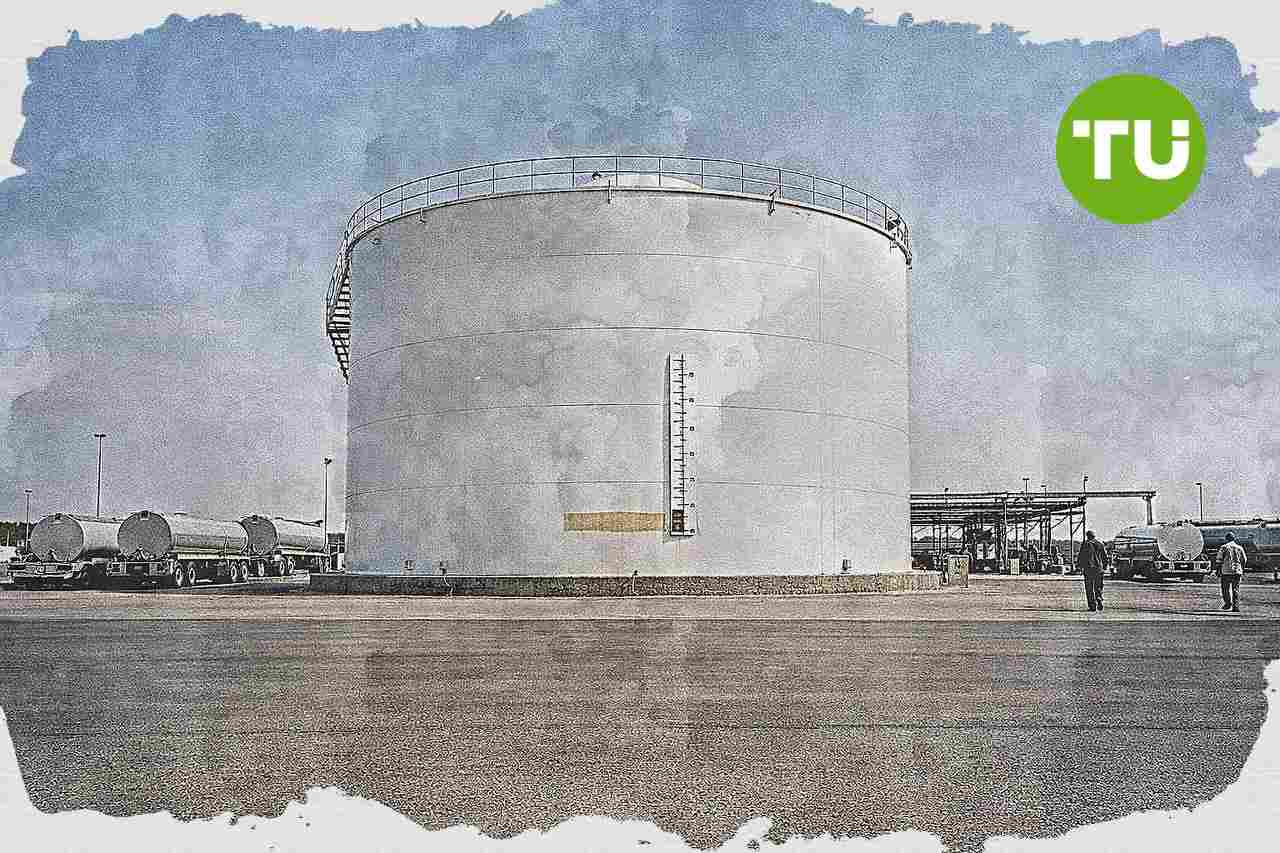
The U.S. summer driving season is starting with gasoline inventories unusually tight after stockpiles built over winter largely disappeared by the end of May. Strong domestic fuel use and rising exports are colliding with refinery shifts toward diesel and jet fuel, increasing the risk of higher pump prices.
Highlights
- U.S. gasoline inventories fell to 215.1 million barrels in early June, the lowest seasonal level in a decade, while demand could reach 9.5 million barrels per day this summer.
- U.S. refineries ran at 95.3% capacity in early June, but high diesel and jet fuel production drove May exports of those fuels to a record 54.65 million barrels and gasoline exports to 22.52 million barrels.
- Strait of Hormuz disruptions, tight European supplies, and high freight rates limit import capacity, increasing the risk of domestic gasoline shortages if exports stay high or outages occur.
Inventory pressure builds into peak travel period
As reported by Reuters, government data shows U.S. gasoline inventories fell in the first week of June to 215.1 million barrels, the lowest seasonal level in a decade. Stockpiles have dropped by more than 34 million barrels since the Iran war began, leaving the market exposed just as the busiest vacation travel period runs through early September.Analysts say a supply deficit is looming because gasoline demand remains firm even after pump prices climbed about 40% since the war started, holding above $4. Total demand for U.S.-produced fuel could reach 9.5 million barrels per day this summer, above the 9.2 million barrels per day refiners are currently able to produce.
The strain is not limited to gasoline. Distillate fuel oil inventories fell to a 23-year low in May, adding to concerns that any further disruption could tighten supplies across refined products.
Refinery output shifts raise risks for prices
U.S. refiners are increasingly favoring diesel and jet fuel production to capture stronger margins and help offset global shortages linked to shipping disruption at the Strait of Hormuz. The route handles nearly a fifth of global oil flows and has effectively closed since the start of the Iran war, reshaping refinery economics well beyond the Middle East.In late April, the four-week average of U.S. jet fuel production topped 2 million barrels per day for the first time on record, the EIA says this week. Kpler data shows the U.S. exported 54.65 million barrels of diesel and jet fuel in May, the highest in records going back to 2017, while gasoline exports also rose to 22.52 million barrels from 20.10 million barrels in April.
Analysts also question how long refiners can sustain such high operating rates. U.S. refineries ran at 95.3% of capacity in the first week of June, the highest level in nearly a year, but April posted the highest average unplanned U.S. refinery outages in five years, with about 483,000 barrels per day of crude processing capacity offline, according to IIR Energy data.
With European fuel supplies also tight and freight rates rising because of the Hormuz blockage, the U.S. has less ability to rely on imports to ease regional shortages. That leaves the domestic gasoline market more vulnerable if exports stay elevated or if deferred refinery maintenance and unexpected outages further reduce output.
In our earlier article on American Airlines’ shares, we examined how surging jet fuel costs could add more than $4 billion in annual expenses and squeeze the carrier’s profit margins. We also noted that, despite a constructive technical setup and short-term buyer momentum in AAL, elevated fuel inputs remained a key fundamental risk that could drive volatility and limit upside.





Latest USA News









-
 Afghanistan
-
 Albania
-
 Algeria
-
 Angola
-
 Argentina
-
 Armenia
-
 Australia
-
 Austria
-
 Azerbaijan
-
 Bahamas
-
 Bahrain
-
 Bangladesh
-
 Belarus
-
 Belgium
-
 Bolivia
-
 Botswana
-
 Brazil
-
 Brunei
-
 Bulgaria
-
 Cambodia
-
 Cameroon
-
 Canada
-
 Chile
Chile
-
 China
China
-
 Colombia
-
 Congo
Congo
-
 Costa Rica
-
 Cote d'Ivoire
-
 Croatia
-
 Cuba
Cuba
-
 Cyprus
-
 Czechia
-
 DR Congo
-
 Denmark
-
 Dominican Republic
-
 Ecuador
-
 Egypt
Egypt
-
 El Salvador
-
 Estonia
-
 Eswatini
-
 Ethiopia
-
 Finland
-
 France
-
 Georgia
-
 Germany
-
 Ghana
Ghana
-
 Greece
-
 Haiti
Haiti
-
 Hong Kong
-
 Hungary
-
 India
India
-
 Indonesia
-
 Iran, Islamic republic
-
 Iraq
Iraq
-
 Ireland
-
 Israel
-
 Italy
Italy
-
 Jamaica
-
 Japan
Japan
-
 Jordan
-
 Kazakhstan
-
 Kenya
Kenya
-
 Korea
Korea
-
 Kuwait
-
 Kyrgyzstan
-
 Laos
Laos
-
 Latvia
-
 Lebanon
-
 Lesotho
-
 Libya
Libya
-
 Lithuania
-
 Luxembourg
-
 Madagascar
-
 Malaysia
-
 Malta
Malta
-
 Mauritius
-
 Mexico
-
 Moldova
-
 Mongolia
-
 Montenegro
-
 Morocco
-
 Mozambique
-
 Myanmar
-
 Namibia
-
 Nepal
Nepal
-
 Netherlands
-
 New Zealand
-
 Nigeria
-
 North Macedonia
-
 Norway
-
 Oman
Oman
-
 Pakistan
-
 Palestine
-
 Panama
-
 Papua New Guinea
-
 Paraguay
-
 Peru
Peru
-
 Philippines
-
 Poland
-
 Portugal
-
 Puerto Rico
-
 Qatar
Qatar
-
 Reunion
-
 Romania
-
 Rwanda
-
 Saudi Arabia
-
 Serbia
-
 Singapore
-
 Slovakia
-
 Slovenia
-
 Somalia
-
 South Africa
-
 Spain
Spain
-
 Sri Lanka
-
 Sweden
-
 Switzerland
-
 Syria
Syria
-
 Taiwan
-
 Tajikistan
-
 Tanzania
-
 Thailand
-
 Trinidad and Tobago
-
 Tunisia
-
 Turkey
-
 UAE
UAE
-
 Uganda
-
 Ukraine
-
 United Kingdom
-
United States
-
 Uruguay
-
 Uzbekistan
-
 Venezuela
-
 Vietnam
-
 Yemen
Yemen
-
 Zambia
-
 Zimbabwe
- Forex
- Crypto












