
Iran says U.S.-Iran deal on Hormuz is not imminent

Iran signaled that an agreement with the United States on reopening the Strait of Hormuz is not yet imminent, despite progress in negotiations. The statement came after markets had already started pricing in a de-escalation scenario: oil prices fell sharply, while global stocks rose.
Highlights
- Iran said a deal with the U.S. on Hormuz is not yet imminent.
- Consensus has been reached on many issues, but final terms have not been agreed.
- Markets had earlier reacted with rising stocks and falling oil prices on hopes of de-escalation.
Tehran points to progress, but not a final deal
According to BBC, spokesperson for Iran’s Foreign Ministry said consensus had been reached on many issues, but a final agreement with Washington was still not close. Tehran believes a significant part of the disagreements has been resolved but warns that a peace deal with the United States is not imminent.
Earlier, senior U.S. officials said the sides were close to an agreement that could include an extension of a 60-day ceasefire, the reopening of the Strait of Hormuz, and further talks on Iran’s nuclear program. President Donald Trump also tried to lower expectations, saying he did not intend to “rush” into an agreement.
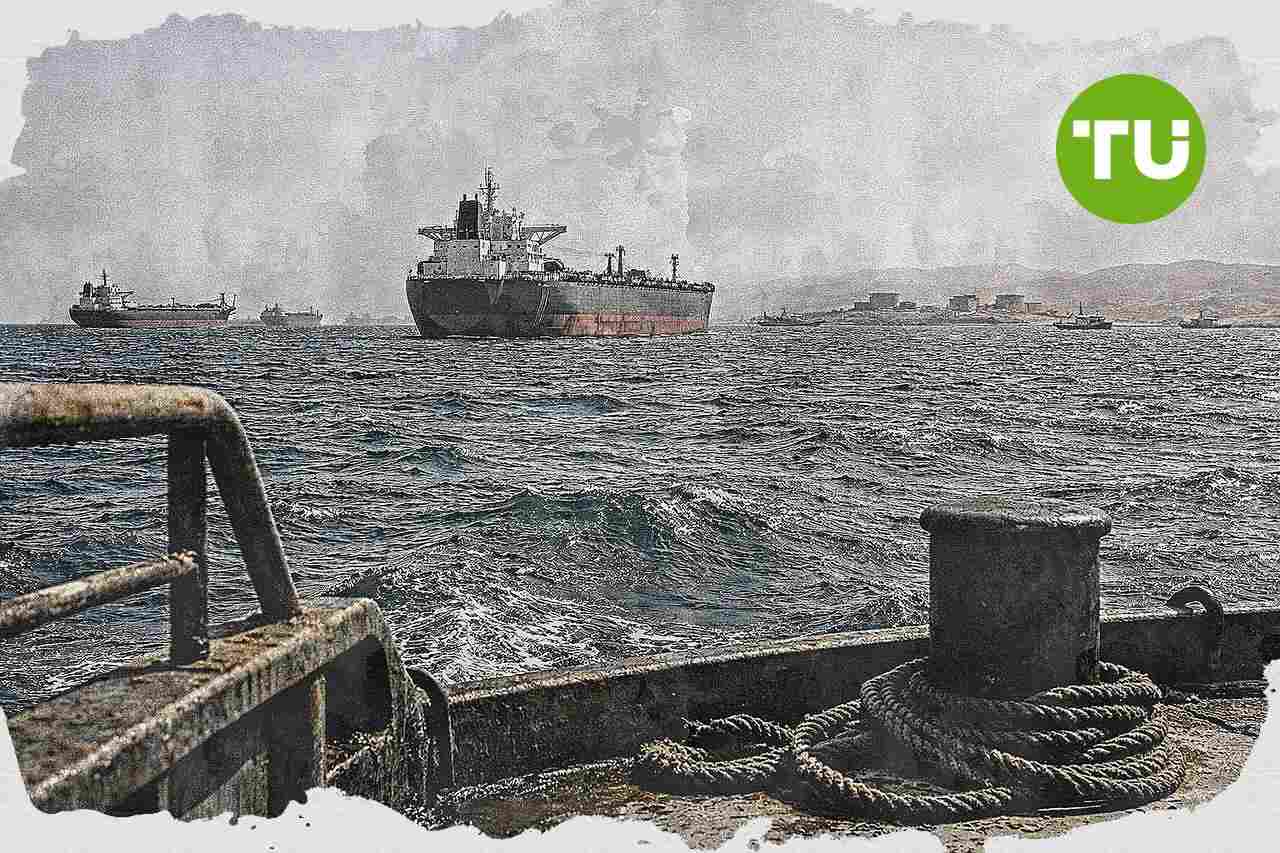
The Strait of Hormuz remains the central issue in the talks. A significant share of global oil and liquefied natural gas supplies passes through this route, so even partial progress immediately affects energy prices and investor sentiment.
Markets had already priced in hopes for a deal
Before Iran’s cautious statement, markets had reacted to more optimistic signals from Washington. Global stocks rose on Monday, while oil prices fell by more than $4 after Trump said talks on ending the war with Iran were progressing constructively. France’s CAC 40 gained 1.1%, Germany’s DAX rose 1.0%, and Japan’s Nikkei 225 climbed 2.9%. Brent fell to $97.78 a barrel, while U.S. WTI dropped to $91.27.
That move reflects how sensitive markets remain to any headlines about the strait. Expectations of reopening the route reduce the geopolitical premium in oil, support shares of energy-importing economies, and ease inflation concerns.
Energy risk remains priced in
Tehran’s cautious position shows that markets may have moved too quickly to price in a positive outcome. Until an agreement is signed, oil prices will remain dependent on every new signal from Washington and Tehran.
For investors, the key numbers are Brent’s decline to $98.68, WTI’s drop to $91.83 and the Nikkei 225’s 2.9% gain. They show the scale of the “peace premium” markets are willing to price in. But if a Hormuz deal is not confirmed, part of that move could be quickly reversed.
It was earlier reported that gold gains as Hormuz deal hopes boost precious metals.












-
 Afghanistan
-
 Albania
-
 Algeria
-
 Angola
-
 Argentina
-
 Armenia
-
 Australia
-
 Austria
-
 Azerbaijan
-
 Bahamas
-
 Bahrain
-
 Bangladesh
-
 Belarus
-
 Belgium
-
 Bolivia
-
 Botswana
-
 Brazil
-
 Brunei
-
 Bulgaria
-
 Cambodia
-
 Cameroon
-
 Canada
-
 Chile
Chile
-
 China
China
-
 Colombia
-
 Congo
Congo
-
 Costa Rica
-
 Cote d'Ivoire
-
 Croatia
-
 Cuba
Cuba
-
 Cyprus
-
 Czechia
-
 DR Congo
-
 Denmark
-
 Dominican Republic
-
 Ecuador
-
 Egypt
Egypt
-
 El Salvador
-
 Estonia
-
 Eswatini
-
 Ethiopia
-
 Finland
-
 France
-
 Georgia
-
 Germany
-
 Ghana
Ghana
-
 Greece
-
 Haiti
Haiti
-
 Hong Kong
-
 Hungary
-
 India
India
-
 Indonesia
-
 Iran, Islamic republic
-
 Iraq
Iraq
-
 Ireland
-
 Israel
-
 Italy
Italy
-
 Jamaica
-
 Japan
Japan
-
 Jordan
-
 Kazakhstan
-
 Kenya
Kenya
-
 Korea
Korea
-
 Kuwait
-
 Kyrgyzstan
-
 Laos
Laos
-
 Latvia
-
 Lebanon
-
 Lesotho
-
 Libya
Libya
-
 Lithuania
-
 Luxembourg
-
 Madagascar
-
 Malaysia
-
 Malta
Malta
-
 Mauritius
-
 Mexico
-
 Moldova
-
 Mongolia
-
 Montenegro
-
 Morocco
-
 Mozambique
-
 Myanmar
-
 Namibia
-
 Nepal
Nepal
-
 Netherlands
-
 New Zealand
-
 Nigeria
-
 North Macedonia
-
 Norway
-
 Oman
Oman
-
 Pakistan
-
 Palestine
-
 Panama
-
 Papua New Guinea
-
 Paraguay
-
 Peru
Peru
-
 Philippines
-
 Poland
-
 Portugal
-
 Puerto Rico
-
 Qatar
Qatar
-
 Reunion
-
 Romania
-
 Rwanda
-
 Saudi Arabia
-
 Serbia
-
 Singapore
-
 Slovakia
-
 Slovenia
-
 Somalia
-
 South Africa
-
 Spain
Spain
-
 Sri Lanka
-
 Sweden
-
 Switzerland
-
 Syria
Syria
-
 Taiwan
-
 Tajikistan
-
 Tanzania
-
 Thailand
-
 Trinidad and Tobago
-
 Tunisia
-
 Turkey
-
 UAE
UAE
-
 Uganda
-
 Ukraine
-
 United Kingdom
-
United States
-
 Uruguay
-
 Uzbekistan
-
 Venezuela
-
 Vietnam
-
 Yemen
Yemen
-
 Zambia
-
 Zimbabwe
- Forex
- Crypto











