
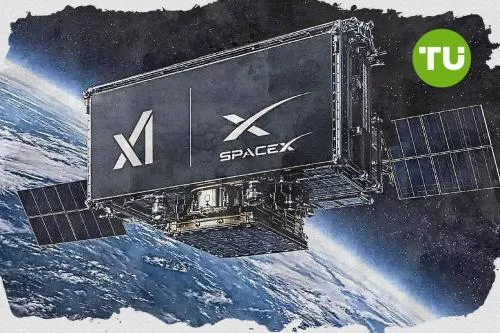
SpaceX and OpenAI IPOs could heighten risks in AI sector

Potential IPOs from SpaceX and OpenAI could become a new test for a market that is already heavily dependent on a small group of companies linked to artificial intelligence. Bank of America estimates that the listing of such issuers could push the concentration of AI leaders in the U.S. market capitalization close to levels associated with some of the largest historical bubbles.
Highlights
- Bank of America warns that SpaceX and OpenAI IPOs could increase market concentration around AI.
- The share of leading AI companies in U.S. market capitalization could rise from 40% to 48%.
- Fast inclusion of new stocks in indexes could trigger forced buying by passive funds.
The market is becoming even narrower
According to Yahoo!Finance, Bank of America chief strategist Michael Hartnett warned that major listings by SpaceX and OpenAI could increase the share of leading AI companies in total U.S. market capitalization from about 40% today to 48%. That would exceed levels seen during the Roaring Twenties, the Nifty Fifty era, Japan’s 1980s bubble and the dot-com bubble, though it would remain below the concentration of railroad stocks in the 1880s.
The issue is not only the size of the potential IPOs. If such companies quickly enter major indexes, passive funds would have to buy their shares regardless of valuation, potentially adding to demand and increasing the weight of the AI sector in investor portfolios. The Financial Times previously reported that new Nasdaq rules could allow large new issuers to enter the Nasdaq 100 as soon as 15 days after an IPO, even with a limited free float.
Yields are changing the price of future growth
The bond market adds to the vulnerability of this story. SpaceX and OpenAI, like other fast-growing technology companies, require investors to pay today for profits that may only arrive years from now. When yields rise, that model becomes less attractive because future cash flows are discounted at a higher rate.
The inflation backdrop also remains unfavorable. In April, the U.S. consumer price index rose 3.8% year over year. That brought inflation close to 4%, a level Bank of America considers historically difficult for equities. According to Hartnett, when CPI first crossed that threshold in previous cycles, the S&P 500 lost about 4% over the following three months and nearly 7% over six months on average.
Concentration becomes the main risk
Potential IPOs from SpaceX and OpenAI could broaden the public AI market, but also make it more dependent on a narrow group of companies. For investors, this means less diversification within indexes and greater market sensitivity to any revision in expectations for artificial intelligence.
If yields continue to rise and CPI moves closer to 4%, the market may start to apply stricter valuation standards to companies whose profits are expected far in the future.
We also reported SpaceX IPO may open doors for millions of retail investors.


Latest SpaceX News





-
 Afghanistan
-
 Albania
-
 Algeria
-
 Angola
-
 Argentina
-
 Armenia
-
 Australia
-
 Austria
-
 Azerbaijan
-
 Bahamas
-
 Bahrain
-
 Bangladesh
-
 Belarus
-
 Belgium
-
 Bolivia
-
 Botswana
-
 Brazil
-
 Brunei
-
 Bulgaria
-
 Cambodia
-
 Cameroon
-
 Canada
-
 Chile
Chile
-
 China
China
-
 Colombia
-
 Congo
Congo
-
 Costa Rica
-
 Cote d'Ivoire
-
 Croatia
-
 Cuba
Cuba
-
 Cyprus
-
 Czechia
-
 DR Congo
-
 Denmark
-
 Dominican Republic
-
 Ecuador
-
 Egypt
Egypt
-
 El Salvador
-
 Estonia
-
 Eswatini
-
 Ethiopia
-
 Finland
-
 France
-
 Georgia
-
 Germany
-
 Ghana
Ghana
-
 Greece
-
 Haiti
Haiti
-
 Hong Kong
-
 Hungary
-
 India
India
-
 Indonesia
-
 Iran, Islamic republic
-
 Iraq
Iraq
-
 Ireland
-
 Israel
-
 Italy
Italy
-
 Jamaica
-
 Japan
Japan
-
 Jordan
-
 Kazakhstan
-
 Kenya
Kenya
-
 Korea
Korea
-
 Kuwait
-
 Kyrgyzstan
-
 Laos
Laos
-
 Latvia
-
 Lebanon
-
 Lesotho
-
 Libya
Libya
-
 Lithuania
-
 Luxembourg
-
 Madagascar
-
 Malaysia
-
 Malta
Malta
-
 Mauritius
-
 Mexico
-
 Moldova
-
 Mongolia
-
 Montenegro
-
 Morocco
-
 Mozambique
-
 Myanmar
-
 Namibia
-
 Nepal
Nepal
-
 Netherlands
-
 New Zealand
-
 Nigeria
-
 North Macedonia
-
 Norway
-
 Oman
Oman
-
 Pakistan
-
 Palestine
-
 Panama
-
 Papua New Guinea
-
 Paraguay
-
 Peru
Peru
-
 Philippines
-
 Poland
-
 Portugal
-
 Puerto Rico
-
 Qatar
Qatar
-
 Reunion
-
 Romania
-
 Rwanda
-
 Saudi Arabia
-
 Serbia
-
 Singapore
-
 Slovakia
-
 Slovenia
-
 Somalia
-
 South Africa
-
 Spain
Spain
-
 Sri Lanka
-
 Sweden
-
 Switzerland
-
 Syria
Syria
-
 Taiwan
-
 Tajikistan
-
 Tanzania
-
 Thailand
-
 Trinidad and Tobago
-
 Tunisia
-
 Turkey
-
 UAE
UAE
-
 Uganda
-
 Ukraine
-
 United Kingdom
-
United States
-
 Uruguay
-
 Uzbekistan
-
 Venezuela
-
 Vietnam
-
 Yemen
Yemen
-
 Zambia
-
 Zimbabwe
- Forex
- Crypto











