
Cheniere Energy Partners signs Bechtel contract for Sabine Pass LNG expansion
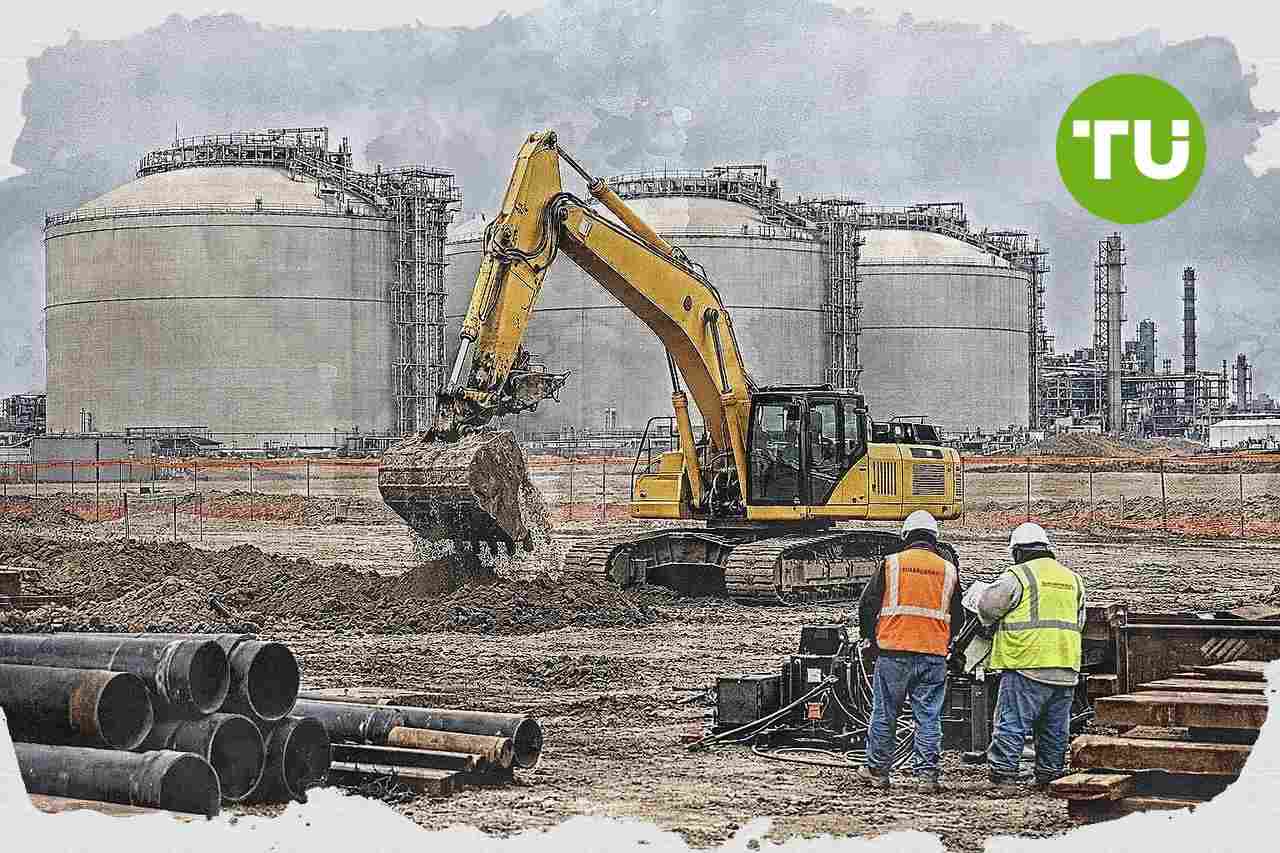
Cheniere Energy Partners is advancing an expansion of its Sabine Pass LNG terminal in Louisiana as it seeks to add new export capacity to an already large U.S. liquefaction site. The first phase is designed to add more than 6 million tonnes per annum of LNG production and supports broader U.S. gas export flows from shale basins including the Permian and Haynesville.
Highlights
- Cheniere Energy Partners signed an EPC contract with Bechtel for Sabine Pass LNG expansion Phase 1, including Train 7 and re-liquefaction unit.
- Cheniere issued Bechtel a limited notice to proceed, with a final investment decision for Phase 1 expected by early 2027 and over 6 mtpa additional capacity.
- Sabine Pass expansion will enhance over 30 mtpa U.S. LNG export infrastructure and reinforce U.S. strategic energy market position for global buyers.
Sabine Pass expansion scope and timeline
As reported by Cheniere Energy Partners, the company said on Thursday that it signed an engineering, procurement and construction contract with Bechtel Energy for the first phase of its Sabine Pass LNG expansion project in Cameron Parish, Louisiana.The initial phase includes Train 7, a boil-off gas re-liquefaction unit and related infrastructure connected to the existing Sabine Pass LNG terminal. Cheniere also said it issued Bechtel a limited notice to proceed, allowing early engineering and procurement work to begin.
The company expects to reach a final investment decision on the first phase by early 2027. Phase 1 has an expected total production capacity of more than 6 mtpa of LNG.
U.S. export and energy market implications
The Sabine Pass LNG terminal currently has natural gas liquefaction facilities with total production capacity of more than 30 mtpa of LNG in operation. The expansion would strengthen one of the largest pieces of U.S. export infrastructure as global buyers continue to seek long-term LNG supply.The terminal helps the U.S. export abundant shale gas sourced from the Permian and Haynesville basins, supporting the U.S. trade balance. It also provides geopolitical allies with an alternative to Russian or Middle Eastern gas, reinforcing the strategic role of U.S. LNG in international energy markets.
In our earlier article on the recent rebound in natural gas prices, we noted that the market’s upside was increasingly tied to a tight global LNG balance and recovering U.S. export flows. We also highlighted Europe’s structurally low storage levels and competition for LNG cargoes as factors that could amplify volatility and raise the risk of a renewed price spike into 2026/27.


Latest Natural Gas News






-
 Afghanistan
-
 Albania
-
 Algeria
-
 Angola
-
 Argentina
-
 Armenia
-
 Australia
-
 Austria
-
 Azerbaijan
-
 Bahamas
-
 Bahrain
-
 Bangladesh
-
 Belarus
-
 Belgium
-
 Bolivia
-
 Botswana
-
 Brazil
-
 Brunei
-
 Bulgaria
-
 Cambodia
-
 Cameroon
-
 Canada
-
 Chile
Chile
-
 China
China
-
 Colombia
-
 Congo
Congo
-
 Costa Rica
-
 Cote d'Ivoire
-
 Croatia
-
 Cuba
Cuba
-
 Cyprus
-
 Czechia
-
 DR Congo
-
 Denmark
-
 Dominican Republic
-
 Ecuador
-
 Egypt
Egypt
-
 El Salvador
-
 Estonia
-
 Eswatini
-
 Ethiopia
-
 Finland
-
 France
-
 Georgia
-
 Germany
-
 Ghana
Ghana
-
 Greece
-
 Haiti
Haiti
-
 Hong Kong
-
 Hungary
-
 India
India
-
 Indonesia
-
 Iran, Islamic republic
-
 Iraq
Iraq
-
 Ireland
-
 Israel
-
 Italy
Italy
-
 Jamaica
-
 Japan
Japan
-
 Jordan
-
 Kazakhstan
-
 Kenya
Kenya
-
 Korea
Korea
-
 Kuwait
-
 Kyrgyzstan
-
 Laos
Laos
-
 Latvia
-
 Lebanon
-
 Lesotho
-
 Libya
Libya
-
 Lithuania
-
 Luxembourg
-
 Madagascar
-
 Malaysia
-
 Malta
Malta
-
 Mauritius
-
 Mexico
-
 Moldova
-
 Mongolia
-
 Montenegro
-
 Morocco
-
 Mozambique
-
 Myanmar
-
 Namibia
-
 Nepal
Nepal
-
 Netherlands
-
 New Zealand
-
 Nigeria
-
 North Macedonia
-
 Norway
-
 Oman
Oman
-
 Pakistan
-
 Palestine
-
 Panama
-
 Papua New Guinea
-
 Paraguay
-
 Peru
Peru
-
 Philippines
-
 Poland
-
 Portugal
-
 Puerto Rico
-
 Qatar
Qatar
-
 Reunion
-
 Romania
-
 Rwanda
-
 Saudi Arabia
-
 Serbia
-
 Singapore
-
 Slovakia
-
 Slovenia
-
 Somalia
-
 South Africa
-
 Spain
Spain
-
 Sri Lanka
-
 Sweden
-
 Switzerland
-
 Syria
Syria
-
 Taiwan
-
 Tajikistan
-
 Tanzania
-
 Thailand
-
 Trinidad and Tobago
-
 Tunisia
-
 Turkey
-
 UAE
UAE
-
 Uganda
-
 Ukraine
-
 United Kingdom
-
United States
-
 Uruguay
-
 Uzbekistan
-
 Venezuela
-
 Vietnam
-
 Yemen
Yemen
-
 Zambia
-
 Zimbabwe
- Forex
- Crypto











