
U.S. Treasury sanctions Iran-linked procurement network targeting U.S. companies
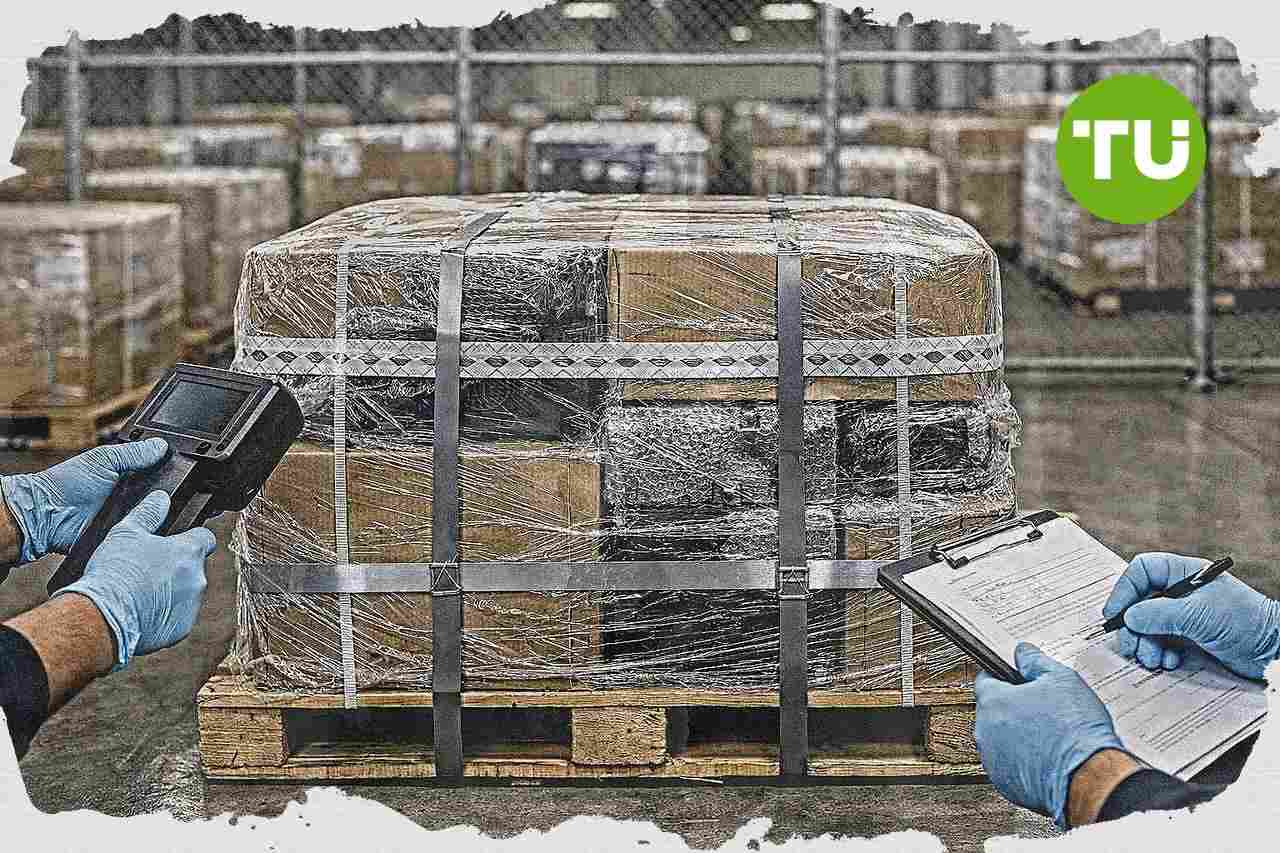
The U.S. government is expanding pressure on Iran by targeting a procurement scheme that allegedly used fake identities and front companies to obtain restricted American technology. The action ties the network to Iran's Ministry of Defense and Armed Forces Logistics and adds fresh compliance risks for foreign firms and banks handling related transactions.
Highlights
- U.S. Treasury sanctioned an Iran-based procurement network led by Ali Majd Sepehr and Sorena Hushmand Samaneh Company for defrauding dozens of U.S. IT vendors of millions of dollars to supply Iran's defense sector.
- All U.S. property and interests of the designated individuals and entities are blocked, with compliance burdens extending to exporters, financial institutions, and logistics companies handling affected transactions.
- Foreign parties and banks involved in significant transactions with blocked entities risk secondary U.S. sanctions, reflecting heightened enforcement under Treasury's Economic Fury campaign against Iran's cross-border trade and payments.
Sanctions target procurement and fraud scheme
As reported by the U.S. Department of the Treasury, the Office of Foreign Assets Control is designating an Iran-based network accused of impersonating U.S. small businesses to buy restricted goods for Iran's defense sector. The action is taken in coordination with the U.S. Department of Commerce and the Federal Bureau of Investigation's Los Angeles Field Office under Executive Order 13224, as amended.Treasury says Ali Majd Sepehr, through his Iranian company Sorena Hushmand Samaneh Company, procured network security and encryption software and hardware from U.S.-based businesses under false pretenses. The department says the scheme defrauds dozens of U.S. information technology companies, resellers, and vendors out of millions of dollars and seeks equipment including spectrum analyzers and non-linear junction detectors for Sairan Information Exchange Space Security Industries Company, a MODAFL-controlled entity in Iran.
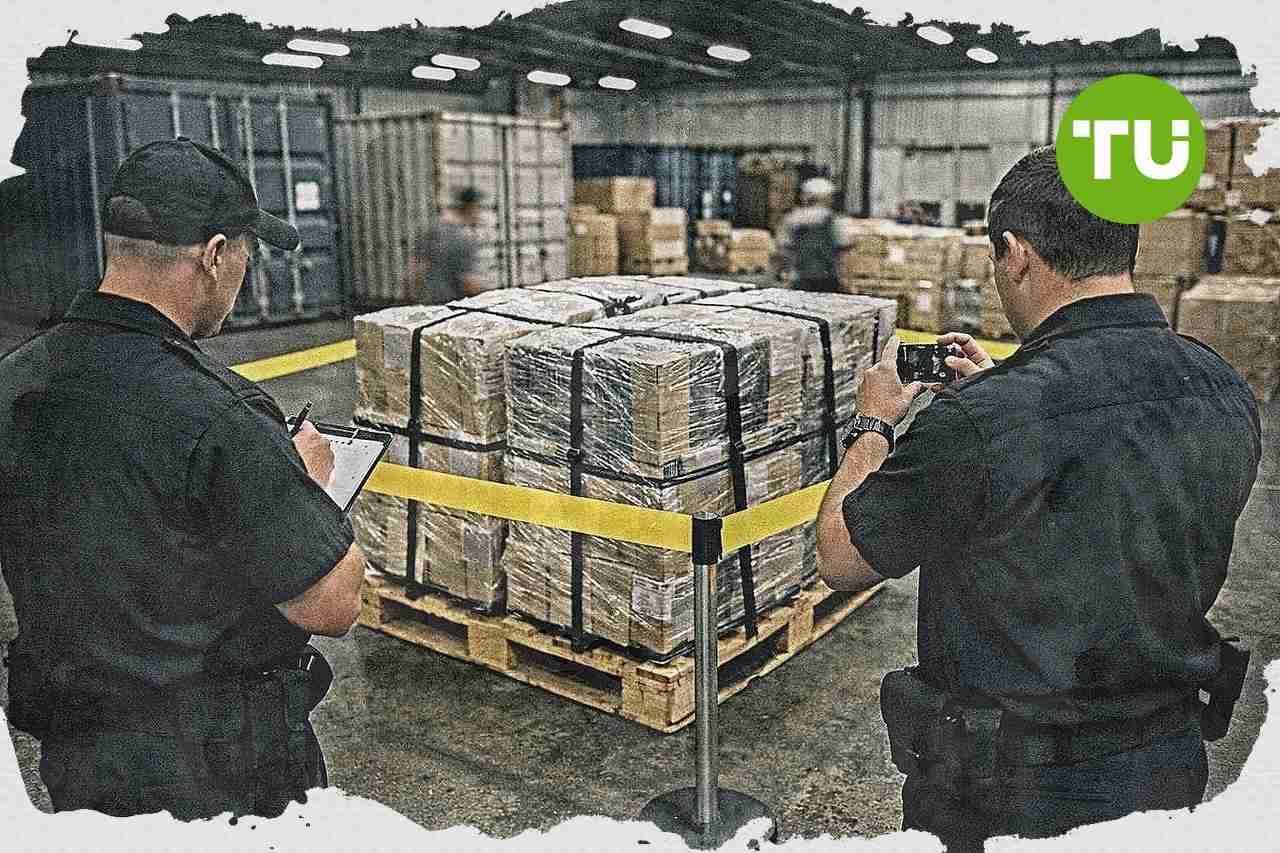
Treasury also names Roudabeh Sarmadi, Mohammadali Mansour Darehshiri, Saied Zahedi, Green Light Computer Co LLC and Al Kawther Neon LLC, along with several Sorena sales managers, as part of the network. According to the department, the operation uses freight forwarders, front companies in Dubai and domain registrations paid through a U.S. financial account to move U.S.-origin goods through the United Arab Emirates and onward to Iran.
Compliance and financial impact broaden
Under the sanctions, all property and interests in property of the designated persons that are in the United States or under the control of U.S. persons are blocked and must be reported to OFAC. Entities owned 50% or more by blocked persons are also blocked, extending the compliance burden for exporters, logistics providers, technology vendors and financial institutions.Treasury says U.S. persons are generally barred from transactions involving the blocked parties unless authorized or exempt, while foreign parties can also face exposure if they facilitate significant dealings. The department adds that participating foreign financial institutions may risk secondary sanctions, including restrictions on correspondent or payable-through accounts in the United States.
The move is presented as part of Treasury's broader Economic Fury campaign to restrict Iran's ability to generate and move funds. Treasury says the wider effort includes action against shadow banking networks, illicit oil trade channels, military supply chains and regime-linked cryptocurrency flows, signaling continued enforcement pressure on cross-border trade and payments connected to Iran.
Our earlier coverage examined how the U.S. Treasury is framing “economic security” as “national security,” arguing that decades of offshoring and import dependence have weakened U.S. sovereignty and defense readiness. The piece outlined a policy direction centered on reciprocity, tariffs and trade investigations, and rebuilding resilient supply chains in strategic sectors such as semiconductors, pharmaceuticals, critical minerals, and shipping capacity.




Latest OFAC News








-
 Afghanistan
-
 Albania
-
 Algeria
-
 Angola
-
 Argentina
-
 Armenia
-
 Australia
-
 Austria
-
 Azerbaijan
-
 Bahamas
-
 Bahrain
-
 Bangladesh
-
 Belarus
-
 Belgium
-
 Bolivia
-
 Botswana
-
 Brazil
-
 Brunei
-
 Bulgaria
-
 Cambodia
-
 Cameroon
-
 Canada
-
 Chile
Chile
-
 China
China
-
 Colombia
-
 Congo
Congo
-
 Costa Rica
-
 Cote d'Ivoire
-
 Croatia
-
 Cuba
Cuba
-
 Cyprus
-
 Czechia
-
 DR Congo
-
 Denmark
-
 Dominican Republic
-
 Ecuador
-
 Egypt
Egypt
-
 El Salvador
-
 Estonia
-
 Eswatini
-
 Ethiopia
-
 Finland
-
 France
-
 Georgia
-
 Germany
-
 Ghana
Ghana
-
 Greece
-
 Haiti
Haiti
-
 Hong Kong
-
 Hungary
-
 India
India
-
 Indonesia
-
 Iran, Islamic republic
-
 Iraq
Iraq
-
 Ireland
-
 Israel
-
 Italy
Italy
-
 Jamaica
-
 Japan
Japan
-
 Jordan
-
 Kazakhstan
-
 Kenya
Kenya
-
 Korea
Korea
-
 Kuwait
-
 Kyrgyzstan
-
 Laos
Laos
-
 Latvia
-
 Lebanon
-
 Lesotho
-
 Libya
Libya
-
 Lithuania
-
 Luxembourg
-
 Madagascar
-
 Malaysia
-
 Malta
Malta
-
 Mauritius
-
 Mexico
-
 Moldova
-
 Mongolia
-
 Montenegro
-
 Morocco
-
 Mozambique
-
 Myanmar
-
 Namibia
-
 Nepal
Nepal
-
 Netherlands
-
 New Zealand
-
 Nigeria
-
 North Macedonia
-
 Norway
-
 Oman
Oman
-
 Pakistan
-
 Palestine
-
 Panama
-
 Papua New Guinea
-
 Paraguay
-
 Peru
Peru
-
 Philippines
-
 Poland
-
 Portugal
-
 Puerto Rico
-
 Qatar
Qatar
-
 Reunion
-
 Romania
-
 Rwanda
-
 Saudi Arabia
-
 Serbia
-
 Singapore
-
 Slovakia
-
 Slovenia
-
 Somalia
-
 South Africa
-
 Spain
Spain
-
 Sri Lanka
-
 Sweden
-
 Switzerland
-
 Syria
Syria
-
 Taiwan
-
 Tajikistan
-
 Tanzania
-
 Thailand
-
 Trinidad and Tobago
-
 Tunisia
-
 Turkey
-
 UAE
UAE
-
 Uganda
-
 Ukraine
-
 United Kingdom
-
United States
-
 Uruguay
-
 Uzbekistan
-
 Venezuela
-
 Vietnam
-
 Yemen
Yemen
-
 Zambia
-
 Zimbabwe
- Forex
- Crypto











