
Bitcoin sector warns of rising quantum risk to transaction authentication
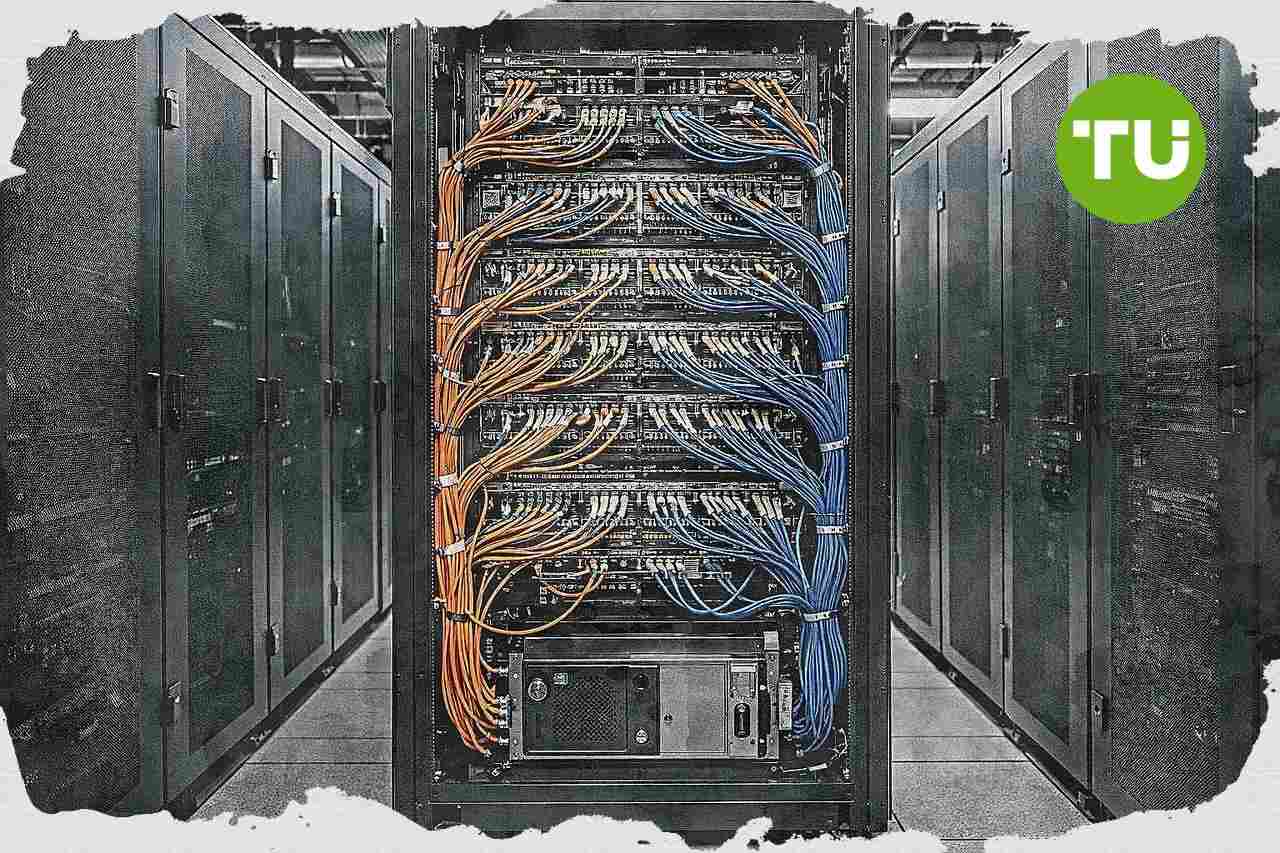
Quantum computing concerns around bitcoin are shifting beyond exposed wallet keys toward encrypted messages and digital signatures moving across exchanges, bridges and custodians. The warning comes as Google targets 2029 for its own post-quantum cryptography migration and financial institutions assess the potential economic fallout from delayed defenses.
Highlights
- Andrew Gault warns the greatest quantum risk to bitcoin and finance is attackers capturing transaction-layer authentication and signature traffic for future decryption.
- Google targets 2029 for post-quantum cryptography migration, with its engineers highlighting current risks from store-now-decrypt-later attacks on digital signatures and authentication services.
- Citi estimates a quantum-enabled attack on a top-five U.S. bank's Fedwire access could cause a $2 trillion to $3.3 trillion shock, equating to a 10% to 17% hit to real GDP.
Transaction-layer threat gains urgency
As reported by CoinDesk, Andrew Gault, chief executive of networking firm ZeroTier and a founding partner of 7percent Ventures, says the most immediate quantum threat to bitcoin and wider finance lies in data transmitted between institutions rather than in stored wallet credentials alone.Gault says adversaries are already collecting encrypted network traffic with the expectation that it can be decrypted later once quantum capability becomes strong enough. He argues that payment authentication records, interbank messages and digital signatures in transit form a more dangerous vulnerability because they underpin ownership, authorization and legal liability across financial systems.
The debate in crypto has largely focused on about 6.9 million BTC held in addresses with exposed public keys after Google Quantum AI research in March suggested a sufficiently powerful quantum computer could derive a bitcoin private key from an exposed public key in about nine minutes. Gault says that focus misses a broader exposure across exchange connections, bridge proofs, public mempools and signing traffic between custodians and trading desks.
Google timeline and broader financial impact
Google security engineers have signaled a similar shift in threat modeling. In a March post, Heather Adkins, vice president of security engineering, and Sophie Schmieg, senior cryptography engineer, said the company has reprioritized attention toward authentication services and digital signatures, warning that store-now-decrypt-later attacks are already relevant today.Google set 2029 as its target to complete a post-quantum cryptography migration, citing advances in quantum hardware, error correction and factoring estimates. The strategy assumes attackers can cheaply store encrypted traffic now and unlock it later when cryptographically relevant quantum systems arrive.
Citi modeled the banking impact in February, estimating that a quantum-enabled attack affecting a single top-five U.S. bank's access to the Fedwire Funds Service could trigger a $2 trillion to $3.3 trillion cascade across the U.S. economy, equivalent to a 10% to 17% drop in real GDP. The Global Risk Institute, cited in the same Citi report, estimates the probability of a cryptographically relevant quantum computer arriving by 2034 at between 19% and 34%.
In crypto, responses remain uneven. Ethereum has launched a coordinated post-quantum migration, while Bitcoin has not announced a comparable plan, and major crypto exchanges and custodians have not publicly committed to one despite handling much of the sector's signing traffic.
In our earlier report on UK banks’ access to Anthropic’s Mythos AI model, we noted that British lenders were still unable to use the tool for cyber threat testing weeks after the Bank of England raised concerns. Bank of England Governor Andrew Bailey argued that advanced AI-linked hacking risks could create cross-border spillovers, making international oversight and coordination essential for financial stability.














-
 Afghanistan
-
 Albania
-
 Algeria
-
 Angola
-
 Argentina
-
 Armenia
-
 Australia
-
 Austria
-
 Azerbaijan
-
 Bahamas
-
 Bahrain
-
 Bangladesh
-
 Belarus
-
 Belgium
-
 Bolivia
-
 Botswana
-
 Brazil
-
 Brunei
-
 Bulgaria
-
 Cambodia
-
 Cameroon
-
 Canada
-
 Chile
Chile
-
 China
China
-
 Colombia
-
 Congo
Congo
-
 Costa Rica
-
 Cote d'Ivoire
-
 Croatia
-
 Cuba
Cuba
-
 Cyprus
-
 Czechia
-
 DR Congo
-
 Denmark
-
 Dominican Republic
-
 Ecuador
-
 Egypt
Egypt
-
 El Salvador
-
 Estonia
-
 Eswatini
-
 Ethiopia
-
 Finland
-
 France
-
 Georgia
-
 Germany
-
 Ghana
Ghana
-
 Greece
-
 Haiti
Haiti
-
 Hong Kong
-
 Hungary
-
 India
India
-
 Indonesia
-
 Iran, Islamic republic
-
 Iraq
Iraq
-
 Ireland
-
 Israel
-
 Italy
Italy
-
 Jamaica
-
 Japan
Japan
-
 Jordan
-
 Kazakhstan
-
 Kenya
Kenya
-
 Korea
Korea
-
 Kuwait
-
 Kyrgyzstan
-
 Laos
Laos
-
 Latvia
-
 Lebanon
-
 Lesotho
-
 Libya
Libya
-
 Lithuania
-
 Luxembourg
-
 Madagascar
-
 Malaysia
-
 Malta
Malta
-
 Mauritius
-
 Mexico
-
 Moldova
-
 Mongolia
-
 Montenegro
-
 Morocco
-
 Mozambique
-
 Myanmar
-
 Namibia
-
 Nepal
Nepal
-
 Netherlands
-
 New Zealand
-
 Nigeria
-
 North Macedonia
-
 Norway
-
 Oman
Oman
-
 Pakistan
-
 Palestine
-
 Panama
-
 Papua New Guinea
-
 Paraguay
-
 Peru
Peru
-
 Philippines
-
 Poland
-
 Portugal
-
 Puerto Rico
-
 Qatar
Qatar
-
 Reunion
-
 Romania
-
 Rwanda
-
 Saudi Arabia
-
 Serbia
-
 Singapore
-
 Slovakia
-
 Slovenia
-
 Somalia
-
 South Africa
-
 Spain
Spain
-
 Sri Lanka
-
 Sweden
-
 Switzerland
-
 Syria
Syria
-
 Taiwan
-
 Tajikistan
-
 Tanzania
-
 Thailand
-
 Trinidad and Tobago
-
 Tunisia
-
 Turkey
-
 UAE
UAE
-
 Uganda
-
 Ukraine
-
 United Kingdom
-
United States
-
 Uruguay
-
 Uzbekistan
-
 Venezuela
-
 Vietnam
-
 Yemen
Yemen
-
 Zambia
-
 Zimbabwe
- Forex
- Crypto












