
Micron reaches $1 trillion valuation as AI memory push reshapes growth outlook
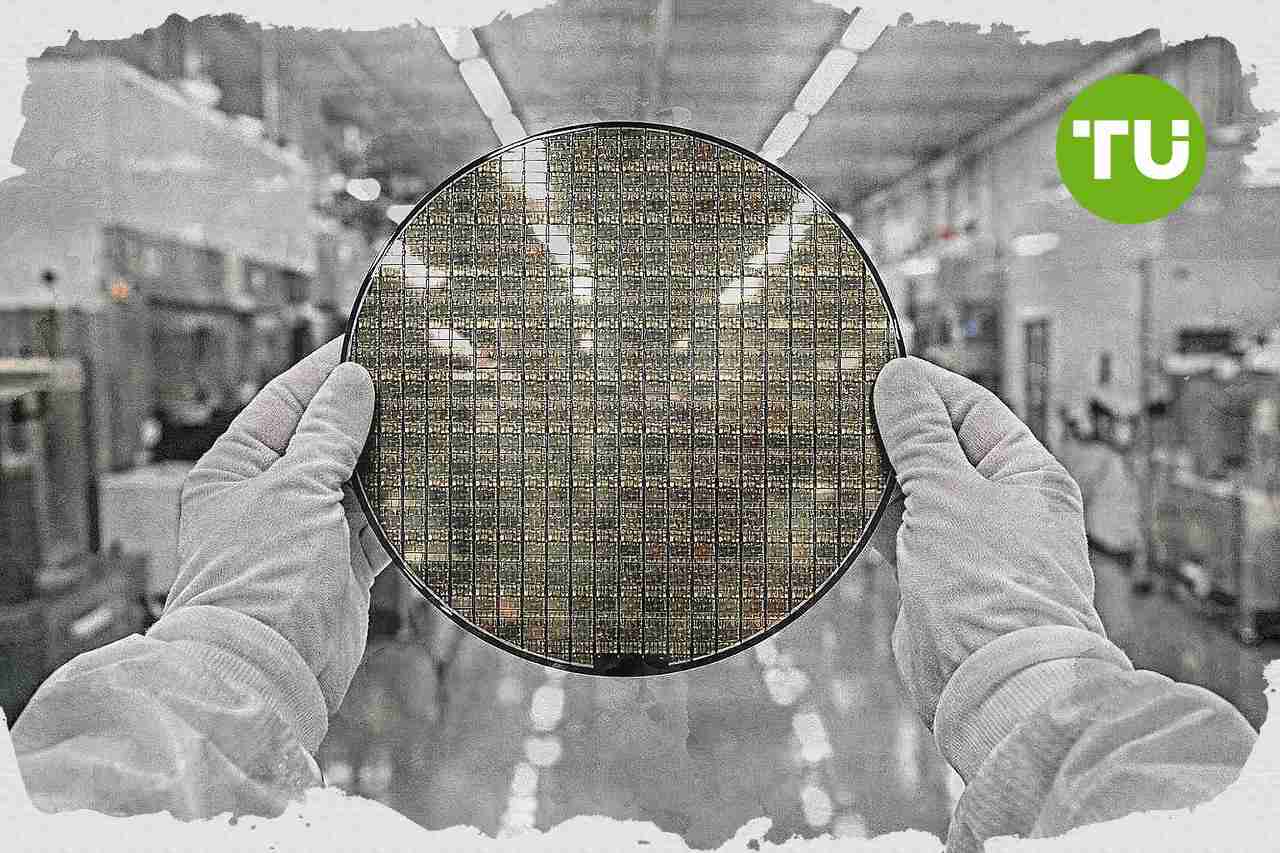
Micron Technology’s rise from a little over $100 billion in market value a year ago to the $1 trillion mark reflects a sharp strategic shift in how the U.S. memory chipmaker positions itself in artificial intelligence. The change centers on high bandwidth memory, where closer ties to Nvidia and other AI customers are moving Micron into longer-term, higher-margin business.
Highlights
- Micron reached a $1 trillion market capitalization on Tuesday, driven by accelerated growth in AI-focused high bandwidth memory chips tied to platforms like Nvidia’s Vera Rubin system.
- Micron reported a $14 billion profit in the latest quarter, recovering from a $5.8 billion loss in 2023 as demand rebounded and the HBM market is expected to hit $100 billion by 2028.
- Micron signed its first five-year supply agreement in March, indicating longer-term supply relationships as customers seek to diversify beyond Korea amid government support for U.S.-based suppliers.
AI memory strategy accelerates Micron’s expansion
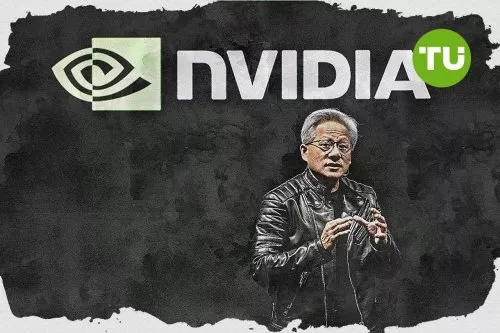
As reported by Reuters, Micron’s move deeper into AI memory follows a push from Nvidia, whose Chief Executive Jensen Huang said he told Micron boss Sanjay Mehrotra about three years ago how the memory market was likely to evolve. Nvidia had bet that memory, not only processors, would become a key constraint in AI systems, pressing suppliers to change both their technology plans and capital spending.That view challenged Micron’s long-standing operating model. For decades, the Idaho-based company built factories leanly, used secondhand equipment and avoided aggressive technology bets, a strategy that helped it survive repeated boom-bust cycles in memory chips and remain one of three major global suppliers alongside Samsung Electronics and SK Hynix.
As AI data centers are rewired, memory shifts from a commodity component toward specialized high bandwidth memory chips designed for particular processors. Micron’s products are now more tightly linked to customer platforms, including Nvidia’s upcoming Vera Rubin system, helping support investor expectations for more durable earnings and longer-term supply relationships.
Industry impact and competitive position
Micron says the HBM market it serves is expected to grow to about $100 billion by 2028. The company also says it signed its first five-year supply agreement in March, a notable change for a sector historically shaped by short-term price swings, while analysts expect Nvidia to be central to such arrangements even though neither company confirms that.Its financial recovery has been equally striking. Micron posts a $14 billion profit in the latest quarter after a $5.8 billion loss in 2023, when the memory cycle turned and demand collapsed. The company crossed the $1 trillion market capitalization threshold on Tuesday, and SK Hynix reached that level a day later.
Analysts say Micron’s status as the only major U.S.-based memory supplier may strengthen its appeal as customers look to diversify beyond Korea and as governments promote domestic supply chains. Even so, the company still faces the risk of a future downturn in the memory cycle, making its traditional spending discipline a potential advantage if AI demand growth slows.
Our earlier article on Alphabet’s $80 billion AI expansion explained how the company planned to raise capital through equity offerings to fund large-scale AI projects and the infrastructure behind them. We noted that the size of the fundraising underscored how quickly AI-related capital expenditures are rising, potentially reshaping investor focus across the wider tech sector.








-
 Afghanistan
-
 Albania
-
 Algeria
-
 Angola
-
 Argentina
-
 Armenia
-
 Australia
-
 Austria
-
 Azerbaijan
-
 Bahamas
-
 Bahrain
-
 Bangladesh
-
 Belarus
-
 Belgium
-
 Bolivia
-
 Botswana
-
 Brazil
-
 Brunei
-
 Bulgaria
-
 Cambodia
-
 Cameroon
-
 Canada
-
 Chile
Chile
-
 China
China
-
 Colombia
-
 Congo
Congo
-
 Costa Rica
-
 Cote d'Ivoire
-
 Croatia
-
 Cuba
Cuba
-
 Cyprus
-
 Czechia
-
 DR Congo
-
 Denmark
-
 Dominican Republic
-
 Ecuador
-
 Egypt
Egypt
-
 El Salvador
-
 Estonia
-
 Eswatini
-
 Ethiopia
-
 Finland
-
 France
-
 Georgia
-
 Germany
-
 Ghana
Ghana
-
 Greece
-
 Haiti
Haiti
-
 Hong Kong
-
 Hungary
-
 India
India
-
 Indonesia
-
 Iran, Islamic republic
-
 Iraq
Iraq
-
 Ireland
-
 Israel
-
 Italy
Italy
-
 Jamaica
-
 Japan
Japan
-
 Jordan
-
 Kazakhstan
-
 Kenya
Kenya
-
 Korea
Korea
-
 Kuwait
-
 Kyrgyzstan
-
 Laos
Laos
-
 Latvia
-
 Lebanon
-
 Lesotho
-
 Libya
Libya
-
 Lithuania
-
 Luxembourg
-
 Madagascar
-
 Malaysia
-
 Malta
Malta
-
 Mauritius
-
 Mexico
-
 Moldova
-
 Mongolia
-
 Montenegro
-
 Morocco
-
 Mozambique
-
 Myanmar
-
 Namibia
-
 Nepal
Nepal
-
 Netherlands
-
 New Zealand
-
 Nigeria
-
 North Macedonia
-
 Norway
-
 Oman
Oman
-
 Pakistan
-
 Palestine
-
 Panama
-
 Papua New Guinea
-
 Paraguay
-
 Peru
Peru
-
 Philippines
-
 Poland
-
 Portugal
-
 Puerto Rico
-
 Qatar
Qatar
-
 Reunion
-
 Romania
-
 Rwanda
-
 Saudi Arabia
-
 Serbia
-
 Singapore
-
 Slovakia
-
 Slovenia
-
 Somalia
-
 South Africa
-
 Spain
Spain
-
 Sri Lanka
-
 Sweden
-
 Switzerland
-
 Syria
Syria
-
 Taiwan
-
 Tajikistan
-
 Tanzania
-
 Thailand
-
 Trinidad and Tobago
-
 Tunisia
-
 Turkey
-
 UAE
UAE
-
 Uganda
-
 Ukraine
-
 United Kingdom
-
United States
-
 Uruguay
-
 Uzbekistan
-
 Venezuela
-
 Vietnam
-
 Yemen
Yemen
-
 Zambia
-
 Zimbabwe
- Forex
- Crypto











