
DLA Troop Support expands logistics support for U.S. homeland defense mission
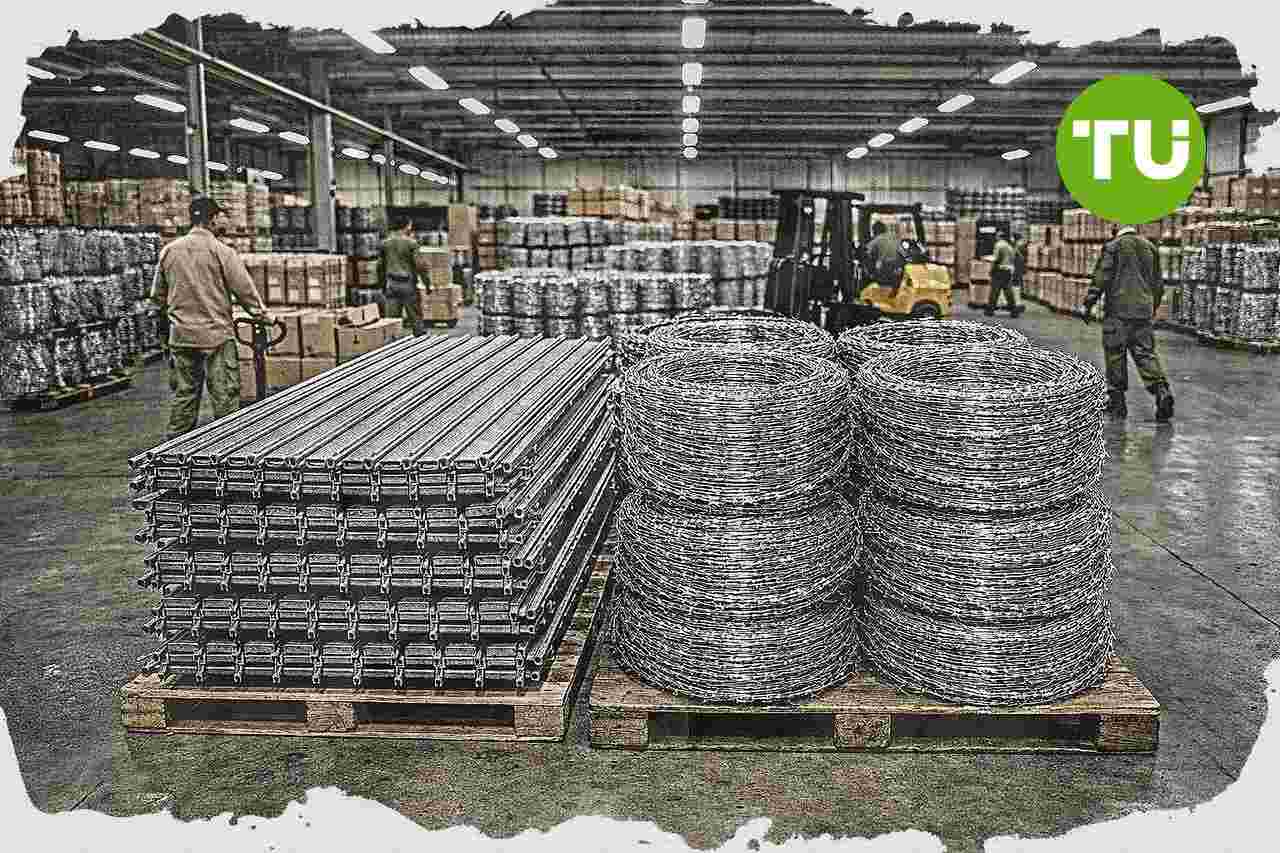
Homeland defense remains a core U.S. military mission, and Defense Logistics Agency Troop Support is scaling supply operations across the Western Hemisphere to sustain forces focused on regional security. The effort spans support for U.S. Northern Command and U.S. Southern Command, with logistics ranging from barrier materials and rations to protective gear for troops and federal law enforcement.
Highlights
- DLA Troop Support ramped up logistics for Western Hemisphere Command, supporting thousands in homeland defense missions with rapid delivery of critical supplies.
- In January–February 2025, DLA purchased 100,000 rolls of concertina wire, 6,000 rolls of barbed wire, and 290,000 metal fence posts for border missions.
- The agency expanded regional food contracts, recommended new Modular Operational Rations in Panama, delivered 8.2 million uniform items, and is investing in AI and Digital Twin technologies.
Western Hemisphere logistics surge
As reported by Defense Logistics Agency, DLA Troop Support is serving as the logistics backbone for Western Hemisphere Command by managing key supply chains in subsistence, construction and equipment, medical, and clothing and textiles.The agency says the operation supports thousands of service members and other personnel involved in homeland defense missions across North, Central and South America and nearby waters. Officials describe the effort as part of a broader push to deter transnational threats through sustained regional presence and rapid delivery of critical supplies.
Deputy commander Christopher Mosher says the pace and scale of the logistics buildup reflect the work of buyers, contracting officers and logisticians who keep equipment, meals and barrier materials flowing to deployed forces. He says that purchasing at scale helps reduce taxpayer costs while delivering the consumable items needed for operations.
Barrier materials, food and gear supply
A major share of the mission runs through the construction and equipment chain, particularly in support of the Joint Task Force Southern Border and Customs and Border Protection. In January and February 2025, the barriers team purchased 100,000 rolls of concertina wire, 6,000 rolls of barbed wire and about 290,000 metal fence posts, then staged the stockpile at DLA Distribution sites to speed access for engineering units and CBP.DLA Troop Support says it also continues procuring materials for buoy signage, counter-unmanned aircraft systems, sandbags and expeditionary barrier systems. U.S. Army Lt. Col. Denny Bernacki, the construction and equipment director, says the division is forecasting future requirements to prevent bottlenecks and keep forces supplied with physical deterrence assets.
On the food side, the subsistence chain is expanding regional contracting solutions, including a Simplified Indefinite Delivery Contract in Panama that now covers bottled water in addition to fresh fruits and vegetables, while a similar fresh produce contract is being accelerated in Honduras. The agency also recommends a Modular Operational Rations Enhancement Performance Pack for harsh training conditions at the Jungle Operations Training Center in Panama, with officials noting that these specialized items require a six-month contract award process and a 60-day production timeline.
The clothing and textiles division, meanwhile, manages high volumes of uniform and expeditionary gear, including 8.2 million uniform items annually across nine Recruit Training Command sites in the U.S. and 381 targeted orders for mission-specific equipment such as heavy-duty tents and barbed wire gloves. DLA says the wider organization is also investing in a Digital Twin for order management, expanding AI use and training staff in data-driven decision-making as it seeks faster and more predictive operations.
Our earlier report on USA Rare Earth’s $1.2 billion South Carolina project detailed plans to expand domestic production of rare earth magnets, metals, and alloys used across defense and other strategic industries. It highlighted the broader push to reduce reliance on China for critical materials, alongside policy scrutiny around government-backed financing and supply chain control.


Latest Vestas News





-
 Afghanistan
-
 Albania
-
 Algeria
-
 Angola
-
 Argentina
-
 Armenia
-
 Australia
-
 Austria
-
 Azerbaijan
-
 Bahamas
-
 Bahrain
-
 Bangladesh
-
 Belarus
-
 Belgium
-
 Bolivia
-
 Botswana
-
 Brazil
-
 Brunei
-
 Bulgaria
-
 Cambodia
-
 Cameroon
-
 Canada
-
 Chile
Chile
-
 China
China
-
 Colombia
-
 Congo
Congo
-
 Costa Rica
-
 Cote d'Ivoire
-
 Croatia
-
 Cuba
Cuba
-
 Cyprus
-
 Czechia
-
 DR Congo
-
 Denmark
-
 Dominican Republic
-
 Ecuador
-
 Egypt
Egypt
-
 El Salvador
-
 Estonia
-
 Eswatini
-
 Ethiopia
-
 Finland
-
 France
-
 Georgia
-
 Germany
-
 Ghana
Ghana
-
 Greece
-
 Haiti
Haiti
-
 Hong Kong
-
 Hungary
-
 India
India
-
 Indonesia
-
 Iran, Islamic republic
-
 Iraq
Iraq
-
 Ireland
-
 Israel
-
 Italy
Italy
-
 Jamaica
-
 Japan
Japan
-
 Jordan
-
 Kazakhstan
-
 Kenya
Kenya
-
 Korea
Korea
-
 Kuwait
-
 Kyrgyzstan
-
 Laos
Laos
-
 Latvia
-
 Lebanon
-
 Lesotho
-
 Libya
Libya
-
 Lithuania
-
 Luxembourg
-
 Madagascar
-
 Malaysia
-
 Malta
Malta
-
 Mauritius
-
 Mexico
-
 Moldova
-
 Mongolia
-
 Montenegro
-
 Morocco
-
 Mozambique
-
 Myanmar
-
 Namibia
-
 Nepal
Nepal
-
 Netherlands
-
 New Zealand
-
 Nigeria
-
 North Macedonia
-
 Norway
-
 Oman
Oman
-
 Pakistan
-
 Palestine
-
 Panama
-
 Papua New Guinea
-
 Paraguay
-
 Peru
Peru
-
 Philippines
-
 Poland
-
 Portugal
-
 Puerto Rico
-
 Qatar
Qatar
-
 Reunion
-
 Romania
-
 Rwanda
-
 Saudi Arabia
-
 Serbia
-
 Singapore
-
 Slovakia
-
 Slovenia
-
 Somalia
-
 South Africa
-
 Spain
Spain
-
 Sri Lanka
-
 Sweden
-
 Switzerland
-
 Syria
Syria
-
 Taiwan
-
 Tajikistan
-
 Tanzania
-
 Thailand
-
 Trinidad and Tobago
-
 Tunisia
-
 Turkey
-
 UAE
UAE
-
 Uganda
-
 Ukraine
-
 United Kingdom
-
United States
-
 Uruguay
-
 Uzbekistan
-
 Venezuela
-
 Vietnam
-
 Yemen
Yemen
-
 Zambia
-
 Zimbabwe
- Forex
- Crypto











