U.S. permit delays put $121 billion renewable pipeline at risk
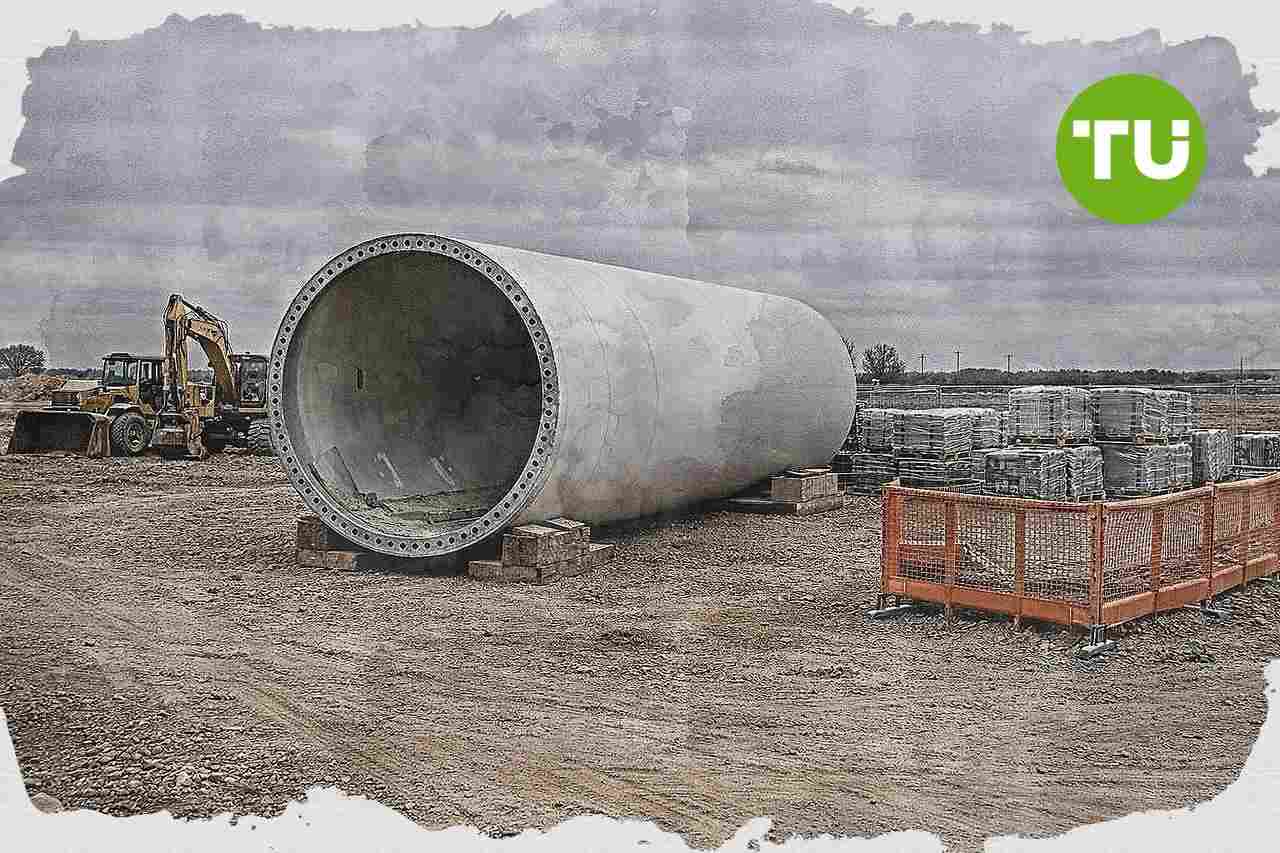
Rising electricity demand tied to data centers and artificial intelligence is increasing pressure on the U.S. to add new power capacity. Delays in federal permitting are now threatening more than $121 billion in early-stage wind, solar and storage investment, while slowing projects needed to meet that demand.
Highlights
- Wood Mackenzie reports $121 billion in early-stage clean energy projects, totaling 92 GW, face heightened federal scrutiny and investment risks due to stricter permit approvals.
- Around 32% of the U.S. early-stage renewable pipeline, including projects on private land, is now exposed to slower processes driven by Department of the Interior and Army Corps of Engineers requirements.
- Permitting delays and federal funding withdrawals led to approximately 7 GW of capacity on federal land being canceled or stalled in 2025, pressuring development schedules and investments.
Federal review delays widen project risk
As reported by Wood Mackenzie, 92 gigawatts of clean energy projects, roughly enough to power 69 million homes, face heightened federal scrutiny after policy changes last year tightened permit approvals for renewable developments.The energy research firm's report says early-stage projects valued at $121 billion face investment risks because of the slower process. It highlights tension between President Donald Trump's push to accelerate energy infrastructure for the artificial intelligence boom and his opposition to renewable energy.
According to the report, measures including a Department of the Interior directive require senior officials to approve renewable energy permits at every stage. That has lengthened timelines for projects involving federal agencies, including many on private land that still need permits for wetlands, wildlife or access roads.
Wood Mackenzie says wetland permitting overseen by the U.S. Army Corps of Engineers is the main bottleneck on private land, while wind projects are also being delayed by slow airspace reviews at the Department of Defense. Overall, about 32% of the U.S. early-stage renewable pipeline is now subject to additional federal scrutiny.
Power market and policy implications
The report suggests the delays are weighing on both development schedules and investment decisions as the power sector tries to expand capacity. Gaby Ackermann Logan, a research associate at Wood Mackenzie, says in a statement that permitting remains one of the most critical barriers to advancing new projects and that delays and uncertainty will continue without more coordinated and predictable processes.The policy shift, together with federal funding withdrawals, is already affecting projects on the ground. Wood Mackenzie says around 7 GW of capacity on federal land was canceled or stalled in 2025.
Congressional Republicans and Democrats have sought legislation to speed permitting for large projects. A bill passed by the House of Representatives last year would meaningfully accelerate timelines, the report says.
Our earlier article on Whirlpool’s job cuts at its Amana, Iowa refrigerator plant examined how Trump-era tariffs have not prevented a sharp production slowdown and mounting layoffs. We noted that weaker housing demand and higher input costs are eroding any tariff protection, while the company shifts more investment and sourcing to Mexico and other locations.











-
 Afghanistan
-
 Albania
-
 Algeria
-
 Angola
-
 Argentina
-
 Armenia
-
 Australia
-
 Austria
-
 Azerbaijan
-
 Bahamas
-
 Bahrain
-
 Bangladesh
-
 Belarus
-
 Belgium
-
 Bolivia
-
 Botswana
-
 Brazil
-
 Brunei
-
 Bulgaria
-
 Cambodia
-
 Cameroon
-
 Canada
-
 Chile
Chile
-
 China
China
-
 Colombia
-
 Congo
Congo
-
 Costa Rica
-
 Cote d'Ivoire
-
 Croatia
-
 Cuba
Cuba
-
 Cyprus
-
 Czechia
-
 DR Congo
-
 Denmark
-
 Dominican Republic
-
 Ecuador
-
 Egypt
Egypt
-
 El Salvador
-
 Estonia
-
 Eswatini
-
 Ethiopia
-
 Finland
-
 France
-
 Georgia
-
 Germany
-
 Ghana
Ghana
-
 Greece
-
 Haiti
Haiti
-
 Hong Kong
-
 Hungary
-
 India
India
-
 Indonesia
-
 Iran, Islamic republic
-
 Iraq
Iraq
-
 Ireland
-
 Israel
-
 Italy
Italy
-
 Jamaica
-
 Japan
Japan
-
 Jordan
-
 Kazakhstan
-
 Kenya
Kenya
-
 Korea
Korea
-
 Kuwait
-
 Kyrgyzstan
-
 Laos
Laos
-
 Latvia
-
 Lebanon
-
 Lesotho
-
 Libya
Libya
-
 Lithuania
-
 Luxembourg
-
 Madagascar
-
 Malaysia
-
 Malta
Malta
-
 Mauritius
-
 Mexico
-
 Moldova
-
 Mongolia
-
 Montenegro
-
 Morocco
-
 Mozambique
-
 Myanmar
-
 Namibia
-
 Nepal
Nepal
-
 Netherlands
-
 New Zealand
-
 Nigeria
-
 North Macedonia
-
 Norway
-
 Oman
Oman
-
 Pakistan
-
 Palestine
-
 Panama
-
 Papua New Guinea
-
 Paraguay
-
 Peru
Peru
-
 Philippines
-
 Poland
-
 Portugal
-
 Puerto Rico
-
 Qatar
Qatar
-
 Reunion
-
 Romania
-
 Rwanda
-
 Saudi Arabia
-
 Serbia
-
 Singapore
-
 Slovakia
-
 Slovenia
-
 Somalia
-
 South Africa
-
 Spain
Spain
-
 Sri Lanka
-
 Sweden
-
 Switzerland
-
 Syria
Syria
-
 Taiwan
-
 Tajikistan
-
 Tanzania
-
 Thailand
-
 Trinidad and Tobago
-
 Tunisia
-
 Turkey
-
 UAE
UAE
-
 Uganda
-
 Ukraine
-
 United Kingdom
-
United States
-
 Uruguay
-
 Uzbekistan
-
 Venezuela
-
 Vietnam
-
 Yemen
Yemen
-
 Zambia
-
 Zimbabwe
- Forex
- Crypto











