
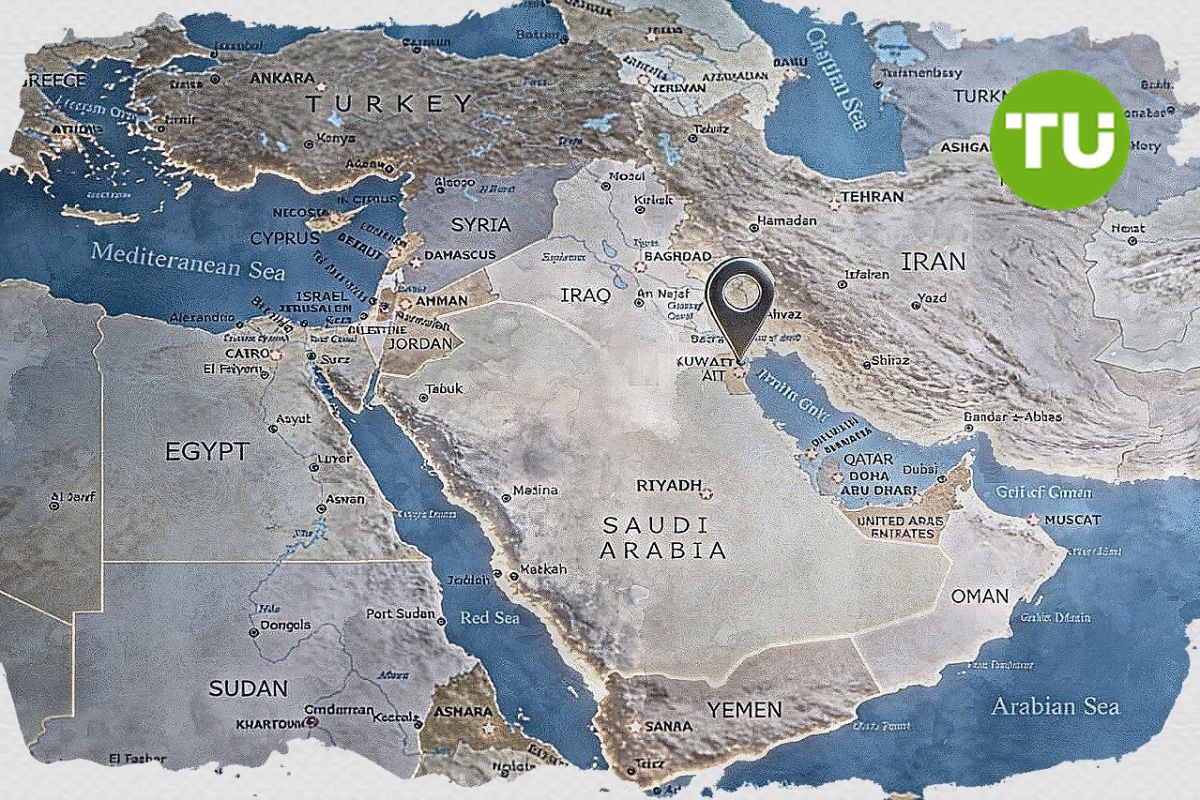
Oil prices climbed Wednesday after Iran fired missiles and drones toward Kuwait and Bahrain and the United States carried out new strikes on Iran’s Qeshm Island near the Strait of Hormuz. The exchange marked one of the sharpest tests yet of fragile U.S.-Iran diplomacy, with Gulf security risks again spilling into energy markets.
Highlights
- Iran fired missiles toward Kuwait and Bahrain; U.S. officials said the attacks failed or were intercepted.
- The U.S. struck an Iranian facility on Qeshm Island near the Strait of Hormuz.
- WTI rose 2.36% to $95.97, while Brent climbed 2.15% to $98.06.
Gulf strikes widen the conflict
According to Reuters, U.S. Central Command said two Iranian missiles fired at Kuwait fell short or broke apart in flight, while three missiles aimed at Bahrain were intercepted by U.S. and Bahraini air defenses. U.S. forces downed Iranian drones targeting civilian ships in regional waters and American forces in Kuwait, then struck an Iranian military ground-control station on Qeshm Island in response.
Iran’s Revolutionary Guard said it had targeted the headquarters of the U.S. Navy’s Fifth Fleet in Bahrain and another regional site, describing the attack as retaliation for U.S. action against an oil tanker trying to reach Iran. Kuwait, which had only recently restored full operations at Kuwait International Airport after earlier war damage, again came under pressure as hostile drones targeted the airport’s passenger building.
Oil prices jump on Hormuz risk
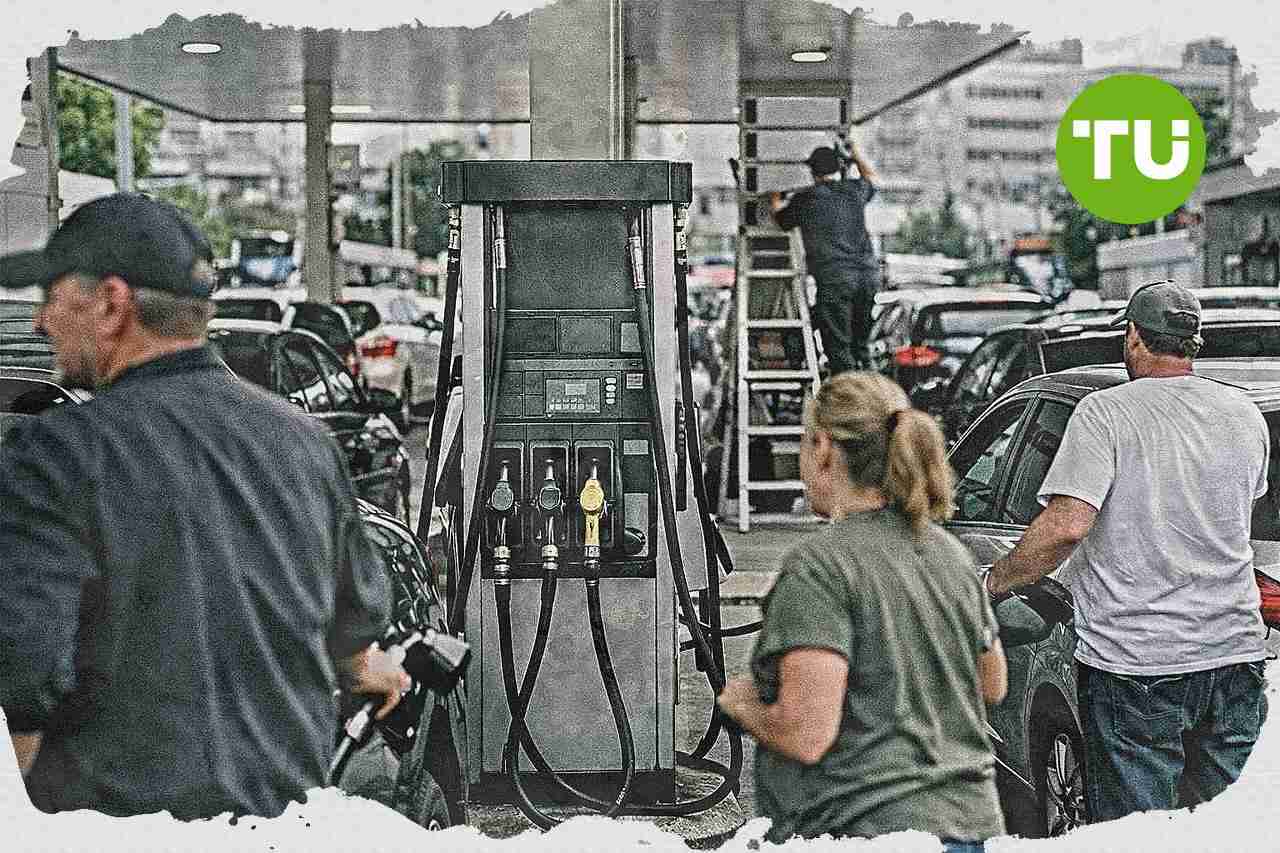
Energy markets reacted to the renewed fighting. West Texas Intermediate crude rose 2.36% to $95.97 a barrel, while Brent crude gained 2.15% to $98.06, according to the latest market snapshot.
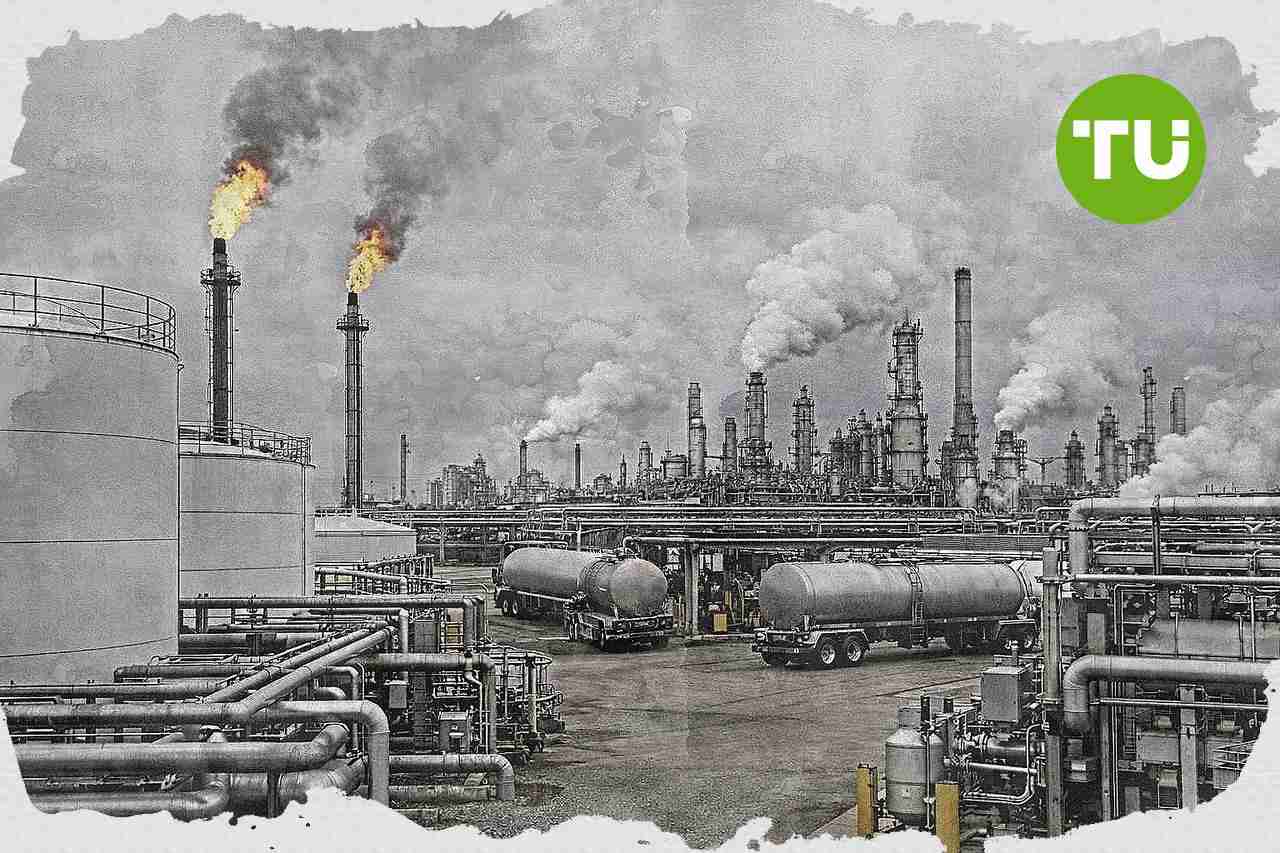
The location of the fighting matters as much as the strikes themselves. Qeshm Island sits near the Strait of Hormuz, one of the world’s most important energy chokepoints. Oil flows through the strait averaged about 20 million barrels a day in 2024, equal to roughly 20% of global petroleum liquids consumption, according to the U.S. Energy Information Administration.
Diplomacy continues under fire
The military exchange came as U.S.-Iran talks remained uncertain. Iranian media had signaled that Tehran stopped communicating with mediators over cease-fire terms, while President Donald Trump disputed that account and said talks were continuing.
AP reported that Iran has tied progress in the talks to a halt in Israel’s operations in Lebanon, while Washington and Israel have treated the Lebanon front as separate from the Iran negotiations.
Energy markets face a broader Gulf risk
The conflict is not limited to Iran and U.S. assets; it is pulling in Gulf states that host American forces and sit near key shipping lanes.
With Brent approaching $100 and Hormuz still central to global supply, each new attack raises the risk of higher transport costs, tighter oil expectations and renewed inflation pressure.
In an earlier report, we noted that oil stays elevated as Trump tries to keep Iran talks alive.







-
 Afghanistan
-
 Albania
-
 Algeria
-
 Angola
-
 Argentina
-
 Armenia
-
 Australia
-
 Austria
-
 Azerbaijan
-
 Bahamas
-
 Bahrain
-
 Bangladesh
-
 Belarus
-
 Belgium
-
 Bolivia
-
 Botswana
-
 Brazil
-
 Brunei
-
 Bulgaria
-
 Cambodia
-
 Cameroon
-
 Canada
-
 Chile
Chile
-
 China
China
-
 Colombia
-
 Congo
Congo
-
 Costa Rica
-
 Cote d'Ivoire
-
 Croatia
-
 Cuba
Cuba
-
 Cyprus
-
 Czechia
-
 DR Congo
-
 Denmark
-
 Dominican Republic
-
 Ecuador
-
 Egypt
Egypt
-
 El Salvador
-
 Estonia
-
 Eswatini
-
 Ethiopia
-
 Finland
-
 France
-
 Georgia
-
 Germany
-
 Ghana
Ghana
-
 Greece
-
 Haiti
Haiti
-
 Hong Kong
-
 Hungary
-
 India
India
-
 Indonesia
-
 Iran, Islamic republic
-
 Iraq
Iraq
-
 Ireland
-
 Israel
-
 Italy
Italy
-
 Jamaica
-
 Japan
Japan
-
 Jordan
-
 Kazakhstan
-
 Kenya
Kenya
-
 Korea
Korea
-
 Kuwait
-
 Kyrgyzstan
-
 Laos
Laos
-
 Latvia
-
 Lebanon
-
 Lesotho
-
 Libya
Libya
-
 Lithuania
-
 Luxembourg
-
 Madagascar
-
 Malaysia
-
 Malta
Malta
-
 Mauritius
-
 Mexico
-
 Moldova
-
 Mongolia
-
 Montenegro
-
 Morocco
-
 Mozambique
-
 Myanmar
-
 Namibia
-
 Nepal
Nepal
-
 Netherlands
-
 New Zealand
-
 Nigeria
-
 North Macedonia
-
 Norway
-
 Oman
Oman
-
 Pakistan
-
 Palestine
-
 Panama
-
 Papua New Guinea
-
 Paraguay
-
 Peru
Peru
-
 Philippines
-
 Poland
-
 Portugal
-
 Puerto Rico
-
 Qatar
Qatar
-
 Reunion
-
 Romania
-
 Rwanda
-
 Saudi Arabia
-
 Serbia
-
 Singapore
-
 Slovakia
-
 Slovenia
-
 Somalia
-
 South Africa
-
 Spain
Spain
-
 Sri Lanka
-
 Sweden
-
 Switzerland
-
 Syria
Syria
-
 Taiwan
-
 Tajikistan
-
 Tanzania
-
 Thailand
-
 Trinidad and Tobago
-
 Tunisia
-
 Turkey
-
 UAE
UAE
-
 Uganda
-
 Ukraine
-
 United Kingdom
-
United States
-
 Uruguay
-
 Uzbekistan
-
 Venezuela
-
 Vietnam
-
 Yemen
Yemen
-
 Zambia
-
 Zimbabwe
- Forex
- Crypto











